2026 Top Surface Grinder Machine Buying Guide for Global Traders?
In the competitive world of manufacturing, choosing the right Surface Grinder Machine is crucial. Global traders face unique challenges when selecting the equipment that meets their needs. A quality surface grinder can enhance precision and efficiency. However, not all machines are created equal. It's essential to consider various factors before making a purchase.
The Surface Grinder Machine market is diverse. Each model offers different features and specifications. Understanding these differences requires expertise. Trader feedback can help in identifying which machines hold up under real conditions. Personal experiences and industry insights can shape better buying decisions.
Diving into proper research is vital. Reliable sources can inform about top brands and innovative technologies. However, misinformation abounds. Traders must remain vigilant and critical while gathering data. A misstep in machinery selection can lead to costly consequences. Prioritizing quality over price is often a hard lesson learned in this field.
Understanding Surface Grinder Machines: Types and Functions
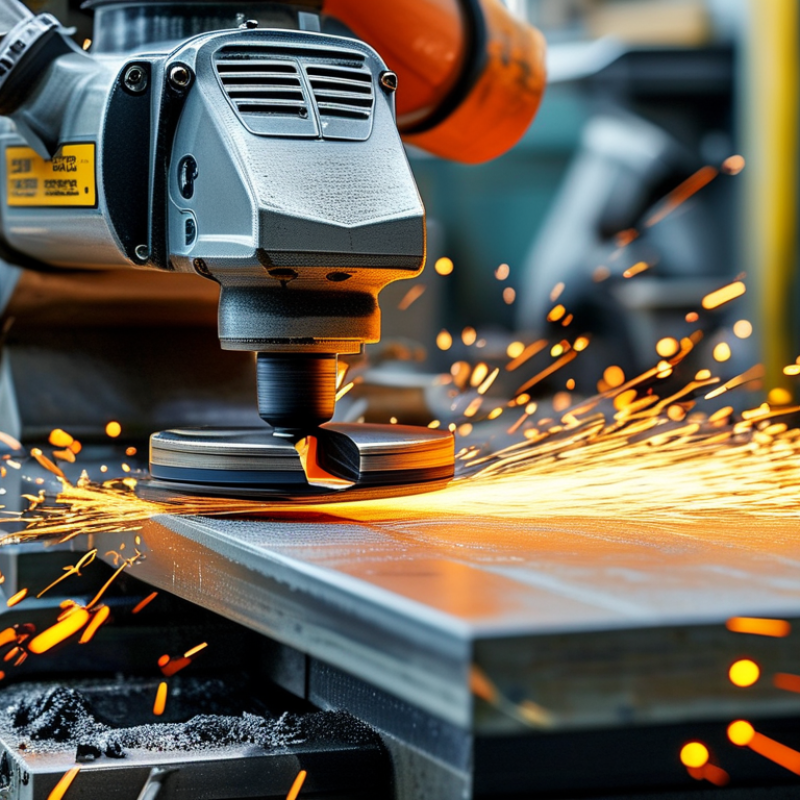
Understanding surface grinder machines is crucial for anyone involved in machining. These machines are designed to produce a flat, smooth surface on a workpiece. Typically, they use a rotating grinding wheel to achieve the desired finish. The precision of these tools plays a vital role in various manufacturing processes.
There are several types of surface grinders. Horizontal spindle grinders are common. They allow for easy access to the grinding wheel. Vertical spindle grinders offer different functionalities, especially for thicker materials. This diversity makes it essential for traders to understand the specifics of each type. Knowing the machine's function can significantly impact your production process.
When buying, consider the machine's capabilities. Think about the materials you will be working with. Some machines can handle harder materials, while others may struggle. Reflecting on this can lead to smarter purchasing decisions. Balancing your needs with machine specifications requires careful thought.
Key Features to Consider When Buying Surface Grinder Machines
When considering a surface grinder machine, several key features should not be overlooked. The precision level is crucial for achieving fine finishes. Look for machines with robust construction and high-quality components. These elements ensure durability and reliability during operation. A machine's weight can also play a role in stability. Heavier models often provide better performance, especially during heavy-duty tasks.
Another aspect to evaluate is the ease of use. User-friendly controls enhance productivity. Operators should feel comfortable adjusting settings without hassle. Maintainability is essential too. A machine that is easy to service can reduce downtime significantly. It’s pivotal to check the availability of spare parts. You don't want to be stuck waiting for components in case of a breakdown.
Lastly, pay attention to the machine's versatility. Some models allow for various grinding applications. This flexibility can be beneficial, especially for global traders. Consider your specific needs. An ideal surface grinder should align with your workflow. Don't forget to reflect on past buying experiences. Learning from previous mistakes can lead to better purchasing decisions in the future.
2026 Top Surface Grinder Machine Key Features Comparison
Top Brands and Models of Surface Grinders in the Global Market
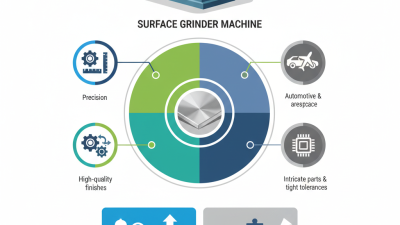
The global market for surface grinders has seen remarkable growth over the past few years. According to recent industry reports, this sector is projected to reach USD 1.5 billion by 2026, driven by a surge in demand from various industries. Key applications range from automotive to aerospace, where precision plays a crucial role. The increasing need for high-quality finishes in manufacturing processes is a major factor in this growth.
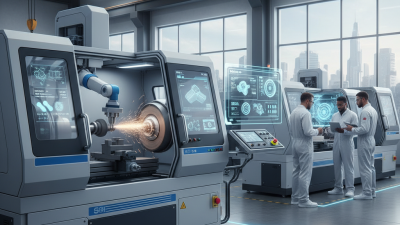
Noteworthy models are tailored for specific needs. For example, horizontal and vertical grinders offer distinct advantages depending on the material and shape. Manufacturers are focusing on enhanced automation features. These capabilities improve efficiency and reduce cycle times. A study suggests that companies implementing advanced surface grinding technologies can boost productivity by up to 30%. However, not all models are equally effective, leading to potential challenges in selecting the right grinder for particular tasks.
Specific brands dominate this market due to their reputation for reliability. Yet, innovation is essential to stay competitive. New entrants and established players must prioritize research and development. Despite advancements, some users report difficulties in operator training and machinery maintenance. These hurdles can impede optimal performance. Addressing these concerns is critical for ensuring that businesses fully leverage the capabilities of their surface grinding machines.
Cost Analysis: Budgeting for Your Surface Grinder Purchase
When purchasing a surface grinder, cost analysis is crucial. The price of these machines varies widely. Factors include brand, features, and build quality. A basic model might cost a few thousand dollars. More advanced machines can exceed tens of thousands.
Budget allocation is essential. Beyond the initial purchase price, consider maintenance costs. Spares and repairs can add to expenses. Training your staff is another factor. It's often overlooked, but skilled operators are vital for machine efficiency.
Buyers should research thoroughly. Online forums and industry insights can provide valuable information. Not all machines will meet your specific needs. Sometimes, a cheaper option may not deliver the expected performance. Reflective choices can lead to better long-term investments.
2026 Top Surface Grinder Machine Buying Guide for Global Traders
| Machine Type |
Average Cost (USD) |
Grinding Wheel Size (mm) |
Power Consumption (kW) |
Max Workpiece Weight (kg) |
Precision (µm) |
| Manual Surface Grinder |
$5,000 |
200 |
3 |
200 |
10 |
| Automatic Surface Grinder |
$12,000 |
250 |
5 |
300 |
5 |
| CNC Surface Grinder |
$25,000 |
300 |
10 |
500 |
1 |
| Hydraulic Surface Grinder |
$15,000 |
350 |
7 |
400 |
3 |
| Vertical Surface Grinder |
$8,000 |
250 |
4 |
250 |
8 |
Maintenance Tips for Longevity of Surface Grinding Machines
Proper maintenance of surface grinding machines is essential for their longevity and optimal performance. Regular cleaning is crucial. Dust and debris can accumulate on machine parts. This buildup can lead to reduced efficiency and potential damage. Operators should use a soft brush or compressed air to remove particles after each use.
Check the coolant system frequently. Insufficient coolant can lead to overheating and increased wear on grinding wheels. Keeping the coolant clean and properly filled is vital. Operators often overlook this aspect, leading to avoidable repairs and costs. Scheduling regular maintenance checks helps catch issues early. Inspecting belts, bearings, and electrical connections prevents unexpected breakdowns.
Additionally, operators must pay attention to grinding wheel wear. Changing the wheel at the right time can significantly affect the surface finish quality. Failing to do so can result in poor grinding results and increased load on the motor. Keeping a maintenance log can help track usage patterns and issues. This practice can often reveal the real condition of the machine. Continuous learning and adaptation in maintenance practices can lead to improved machine lifespan and performance.