2026 Top Surface Grinder Machine Innovations and Trends?
The surface grinder machine market is evolving rapidly. Innovations in technology are driving this change. According to a recent report by MarketsandMarkets, the global surface grinding machine market is projected to reach $1.25 billion by 2026, growing at a CAGR of 5.4%. This trend aligns with the increasing demand for precision engineering in various industries.
More businesses are embracing automated solutions. Automation enhances efficiency and reduces human error. As per Statista, 73% of manufacturers are investing in smart manufacturing technologies. However, challenges remain. Many companies still rely on outdated machinery, which can hinder productivity. This gap creates an opportunity for innovation.
The integration of artificial intelligence in surface grinder machines is also notable. AI can optimize grinding processes and improve accuracy. Yet, not all companies are prepared for this shift. Training staff on new technologies is essential. The industry must balance cutting-edge advancements with traditional methods. This reflection is crucial for sustained growth in the sector.
Advancements in Grinding Technology for Surface Grinders in 2026
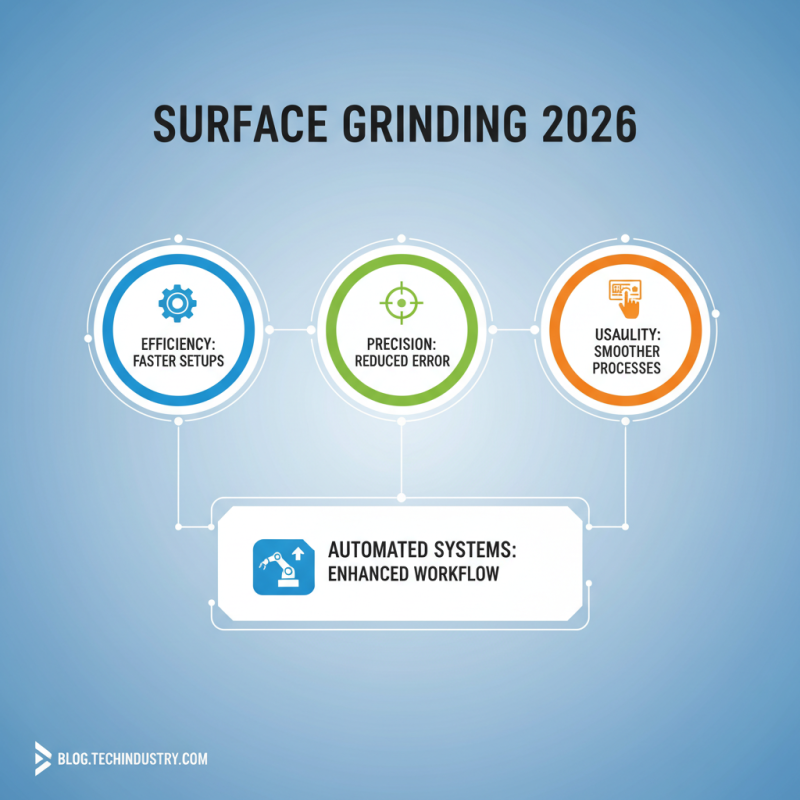
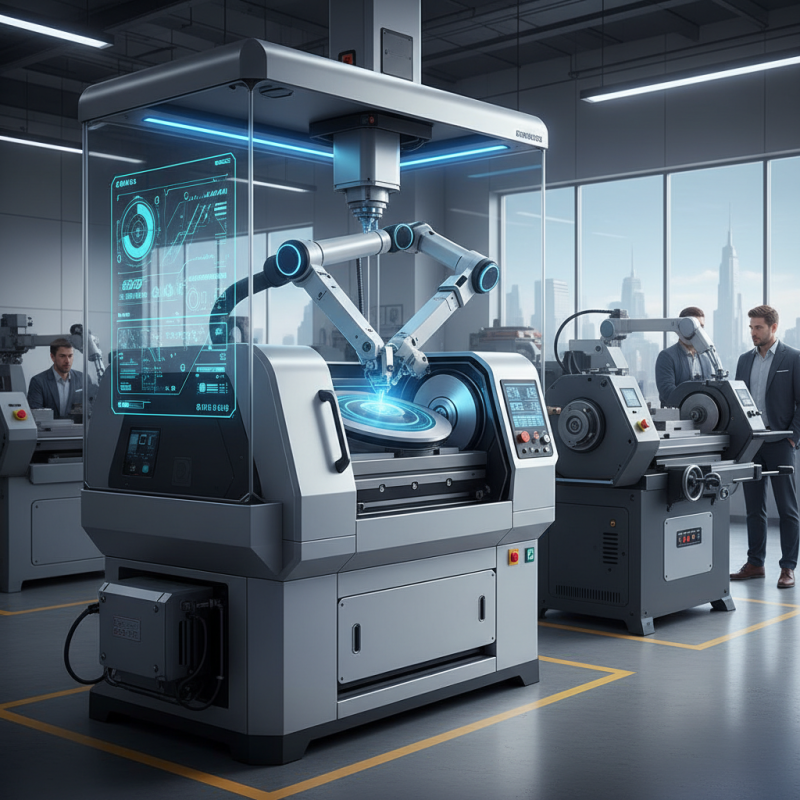
In 2026, surface grinding technology is evolving rapidly. Advancements focus on efficiency, precision, and usability. One notable trend is the rise of automated systems. These systems enhance workflow and reduce human error. Operators can expect faster setups and smoother processes.
Another innovation involves smart sensors integrated into machines. These sensors monitor performance in real time. They provide valuable data on wear and tear. Operators can make informed decisions based on this information. However, reliance on technology raises questions. Are operators losing essential skills?
Some experts worry about maintenance challenges. With advanced machines, repairs can be complicated. Understanding the technology is crucial for technicians. Training may need to be restructured. There’s a balance to find between innovation and traditional skills. Hence, as we embrace the future, reflection is necessary.
Key Features of the Latest Surface Grinding Machines
Surface grinding machines are evolving rapidly. The latest models incorporate advanced technologies that enhance performance and precision. One standout feature is the integration of smart sensors. These sensors provide real-time feedback on machine operations. This aids in achieving better surface finishes and reduces errors.
Another key feature is improved automation. Many new machines offer automated loading and unloading systems. This reduces manual labor and speeds up production. Operators can focus on quality checks rather than routine tasks. A user-friendly interface allows quick adjustments and settings modifications.
Tips: Regular maintenance is crucial. Keeping the grinding wheel and coolant systems in top shape extends machine life. Operators should also stay updated on software advancements for optimal performance. Training sessions can help mitigate user errors and unplanned downtimes. Emphasizing safety protocols is essential for a smooth workflow.
2026 Top Surface Grinder Machine Innovations and Trends
Emerging Trends in Automation and Smart Technology Integration
The integration of automation and smart technology in surface grinder machines is reshaping the industry. These innovations are making machines more efficient and user-friendly. For example, automated systems can adjust grinding parameters in real time. This adaptability helps minimize human error and improve precision. Operators can focus on monitoring processes, rather than manual adjustments.
Smart technology is also enhancing data collection. Machines now gather performance metrics and diagnose issues autonomously. This feature allows for predictive maintenance, which reduces downtime. However, not all companies are ready to embrace this change. Some operators find the transition daunting, fearing job losses or the complexity of new systems. Companies must address these concerns thoughtfully.
Emerging technologies come with challenges. Integration issues may arise, leading to unexpected malfunctions. Training staff to handle advanced systems requires time and resources. As the industry moves forward, stakeholders must reflect on these hurdles. Balancing innovation with practicality is essential for success in this evolving landscape.
Sustainable Practices and Eco-Friendly Innovations in Surface Grinding
In 2026, surface grinding technology is evolving toward more sustainable practices. As manufacturers seek to reduce their environmental impact, eco-friendly innovations are becoming essential. This shift is visible in the use of alternative cooling fluids. Traditional cooling oils often pose risks to health and the environment. New biodegradable options present safer, greener choices.
Another trend is the adoption of energy-efficient machines. These machines consume less power, which decreases operating costs. However, transition challenges exist. Not all facilities can afford upfront investments. Existing operations may need modifications to accommodate these innovations. There is also a knowledge gap regarding maintenance practices for these new eco-friendly systems.
Recycling remains a crucial focus. Worn grinding wheels can often be repurposed, but awareness is still limited. Many manufacturers still discard these materials without considering their potential. Education on recycling in the grinding process is vital for industry growth. Encouraging a culture of sustainability requires collective effort. Innovation is driven by necessity, but the journey presents hurdles.
2026 Top Surface Grinder Machine Innovations and Trends
| Innovation/Trend |
Description |
Sustainability Impact |
Market Adoption Rate (%) |
| Energy-efficient Motors |
Utilization of motors that consume less electricity while maintaining performance. |
Reduces energy consumption and operational costs. |
65 |
| Recyclable Machine Components |
Designs that incorporate materials which can be recycled at the end of the machine’s life. |
Minimizes waste and promotes a circular economy. |
50 |
| Smart Surface Grinding Technology |
Integration of IoT and AI to optimize grinding processes. |
Improves process efficiency and reduces material waste. |
70 |
| Coolant Waste Management Systems |
Systems that recycle and reduce the environmental impact of coolant usage. |
Less environmental contamination and lower disposal costs. |
60 |
| Low-Noise Operations |
Machines designed to operate at significantly reduced noise levels. |
Improves workplace environment and complies with regulations. |
55 |
Market Analysis: Future of Surface Grinder Machines in Manufacturing Industry
The future of surface grinder machines in the manufacturing industry looks promising, yet challenging. As technology advances, manufacturers are exploring new designs and features. Innovations like automated grinding processes and enhanced precision tools are gaining traction. These advancements can improve efficiency and reduce human error. However, not all manufacturers are quick to adapt, leading to a disparity in production capabilities.
Sustainability is also becoming a focal point. Eco-friendly materials and energy-saving designs are in demand. Many companies are beginning to integrate these practices, but it remains a slow transition. Some manufacturers still prioritize cost and speed over sustainability. This creates an imbalance in market competition. On the other hand, businesses embracing eco-friendly innovations can attract more customers who value sustainability.
Despite the positive outlook, challenges remain. Training staff to operate new technology can be tough. Certain skills may not easily transfer to new machines. Additionally, the initial investment in cutting-edge equipment can deter small businesses. Addressing these issues is critical for overall industry growth. The future will depend on how manufacturers navigate these complexities while meeting market demands.