2026 Top Drilling Machine Innovations and Technologies for Every Industry?
The landscape of industrial operations is rapidly evolving, driven by innovation and technology. In sectors ranging from construction to energy, the drilling machine stands at the forefront of this transformation. These machines are becoming increasingly sophisticated, featuring automation and smarter controls. As we look ahead to 2026, several advancements promise to redefine efficiency and precision in drilling tasks.
Drilling machines are not just tools; they are integral to various industries. Enhanced performance and sustainability are now key focuses. Thoughtful engineering is leading to machines that consume less energy while delivering higher output. However, there remains room for improvement. Issues such as maintenance and adaptability continue to challenge operators. Addressing these concerns is crucial for maximizing the potential of drilling technology.
Each innovation presents opportunities and setbacks. The quest for breakthroughs invites reflection on balance—between efficiency, cost, and environmental impact. As we explore the upcoming trends, it is important to consider both the innovations and their implications. The future of drilling machines is not merely about advancement but also about responsibility and reliability. The journey is complex, and every step forward must be approached with care.
Innovative Drilling Technologies Transforming the Oil and Gas Sector
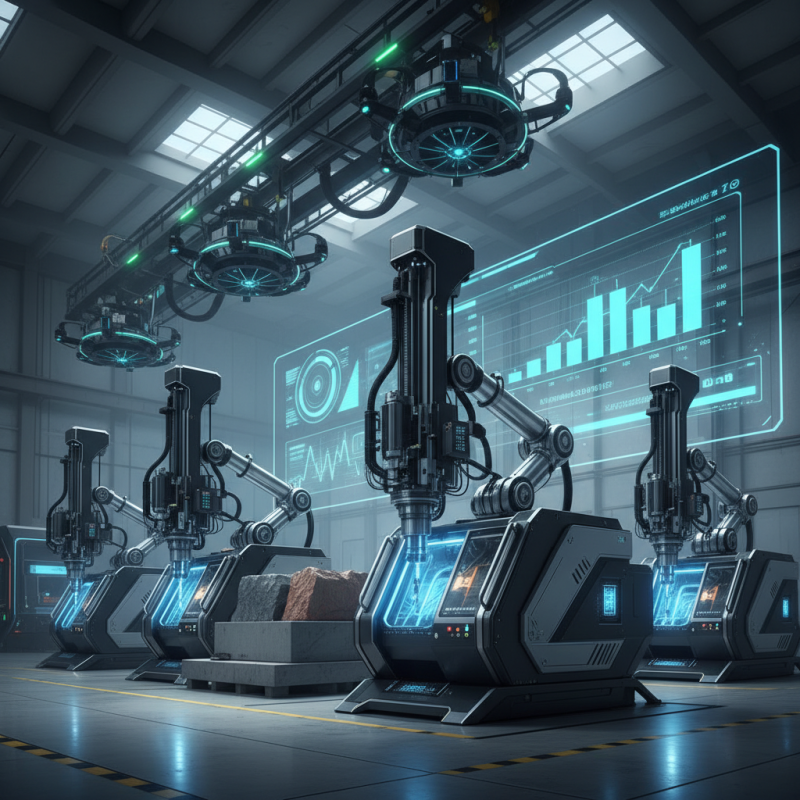
The oil and gas sector is undergoing a significant transformation due to innovative drilling technologies. For instance, the adoption of automated drilling systems has improved efficiency and reduced costs. According to a recent report by the International Energy Agency, automation can increase drilling speed by up to 30%. This means operators can access resources faster and more reliably.
Moreover, advanced data analytics tools play a crucial role in optimizing drilling operations. Utilizing real-time data, companies can make informed decisions on drilling paths and techniques. The use of predictive analytics has been shown to reduce downtime by 15%, which directly impacts profitability. However, this reliance on technology poses challenges. Operators must ensure that human oversight remains a priority to avoid potential pitfalls.
Despite the benefits, not all innovations have been flawless. Some drilling technologies have faced criticism for their environmental impacts. The industry must address these concerns to maintain public trust. Continuous improvement and gathering feedback from experienced professionals will be vital in refining these technologies. Adapting to the rapid pace of innovation while considering sustainability will shape the future of drilling in the oil and gas sector.
Advancements in Drilling Machines for the Mining Industry
The mining industry is on the verge of a technological revolution. Innovations in drilling machines are introducing faster and more efficient methods. These advancements focus on automation and precision, allowing for deeper exploration. Machine learning algorithms are optimizing drilling patterns. This reduces material waste and enhances cost-effectiveness.
Newer machines are increasingly equipped with advanced sensors. These tools provide real-time data about rock conditions and potential hazards. Improved safety features are evident, addressing the primary concerns in mining. For example, remote operation capabilities allow workers to control machines from safe distances. However, the reliance on technology raises questions about training and job displacement.
While efficiencies improve, adaptability remains a challenge. Not all mining sites can accommodate the latest technologies. Additionally, the high initial costs can deter investment for smaller companies. Striking a balance between innovation and operational practicality is crucial. Future advancements should consider these factors to create a sustainable mining environment.
2026 Top Drilling Machine Innovations and Technologies for Every Industry
| Innovation |
Technology Type |
Application |
Efficiency Improvement (%) |
Key Benefit |
| Automated Drill Depth Control |
Automation |
Mining |
30% |
Increased Accuracy |
| Hybrid Energy Sources |
Energy |
Construction |
40% |
Reduced Emissions |
| Smart Sensors for Real-Time Monitoring |
IoT |
Oil & Gas |
25% |
Enhanced Safety |
| 3D Drilling Simulation |
Simulation Software |
Mining & Exploration |
20% |
Better Planning |
| Advanced Material Drill Bits |
Materials Science |
Construction |
35% |
Increased Durability |
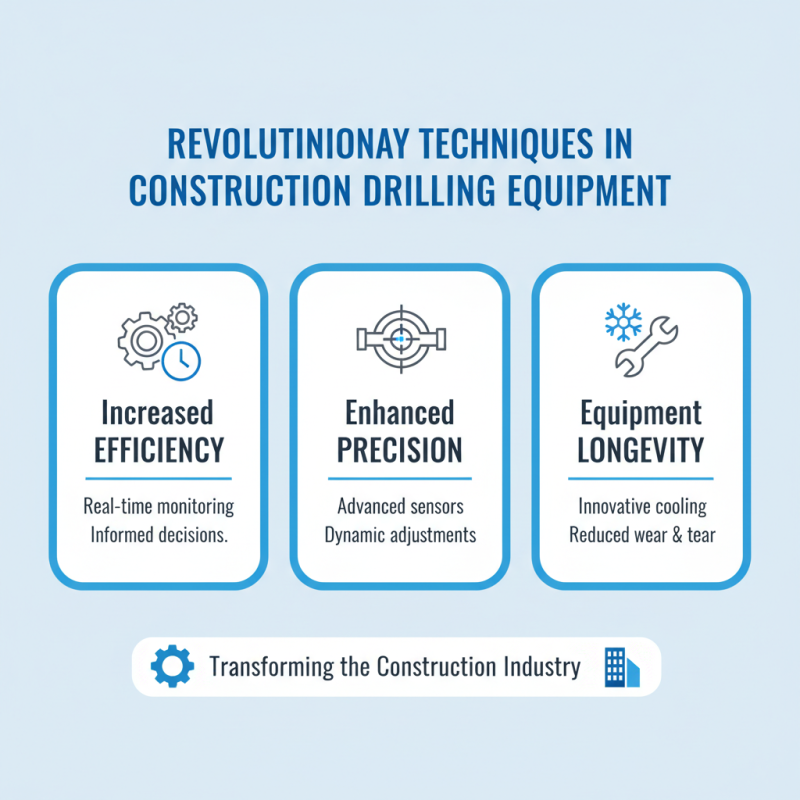
Revolutionary Techniques in Construction Drilling Equipment
Revolutionary techniques in construction drilling equipment are transforming the industry. These innovations focus on efficiency and precision. Advanced sensors now monitor drilling dynamics in real-time. This helps operators make informed decisions during projects. Innovative cooling systems reduce wear and tear, extending the life of equipment.
New materials are also emerging. Lightweight composites are gaining traction, providing strength without extra weight. This change improves maneuverability and reduces operational costs. Automation is another key player. Robots are now handling many tasks, minimizing human error. However, integrating these technologies can be challenging. Workers must adapt to new processes, which can create temporary setbacks.
Training programs must evolve to address these shifts. A blend of traditional skills and modern tech is vital. The shift towards innovation may cause disruptions at first. Yet, these advances promise significant long-term benefits. The balance between technology and human resources will determine future success. The journey towards full integration will require patience and ongoing reflection.
Smart Automation Features in Modern Drilling Solutions
In the rapidly evolving world of drilling technologies, smart automation features have emerged as
game-changers.
These innovations enable precise drilling, improving efficiency across various industries.
Many modern drilling machines incorporate sensors that monitor performance in real-time. This not only enhances accuracy but also reduces downtime caused by equipment failures.
Data analytics plays a crucial role in these advancements. By analyzing past drilling projects, engineers can optimize designs and workflows.
Predictive maintenance tools identify potential issues before they escalate.
This approach minimizes costly repairs and enhances safety. However, there are challenges to consider. Not all operators are adept at interpreting complex data.
Training is essential to realize the full potential of these technologies.
Moreover, while automation streamlines operations, it can also raise concerns about job displacement.
The balance between human expertise and machine efficiency needs careful examination.
As industries continue to adopt automation, the necessity to retain skilled professionals becomes increasingly important.
Engaging with training programs can bridge this gap, ensuring that human insight complements technological advancement.
Sustainable Drilling Practices and Technologies for Environmental Impact
Sustainable drilling practices are crucial in today's industries. The pursuit of eco-friendly technologies has reshaped how drilling is conducted. Reducing environmental impact not only complies with regulations but also promotes corporate responsibility.
Innovative tools like waterless drilling systems and biodegradable drilling fluids are emerging. These methods minimize contamination and conserve water. However, challenges remain. Implementing these technologies can be costly, and their effectiveness may vary. Industries must weigh the long-term benefits against immediate expenses.
Training workers in sustainable methods is essential. It ensures that teams understand the importance of these practices. Companies must invest in education and awareness. This leads to better results and a more environmentally conscious workforce. As industries progress, the balance between efficiency and sustainability is a continuous journey, requiring ongoing reflection and adaptation.