What is a Bench Top Metal Lathe and How to Choose One?
When considering a workbench for metalworking, the "Bench Top Metal Lathe" stands out. This compact machine is essential for both hobbyists and professionals. It allows users to create precise metal parts. However, selecting the right lathe can feel overwhelming.
Understanding the features of a "Bench Top Metal Lathe" is crucial. Machines vary in size, speed, and functionality. Some may lack necessary attachments, while others might have excessive features for casual users. The goal is to find a lathe that meets specific needs without overspending on unnecessary options.
Choosing wisely can lead to valuable projects and enhanced skills. Each experience with the lathe builds expertise. Mistakes happen; they are part of the learning process. Reflecting on these moments allows for growth. A "Bench Top Metal Lathe" can open doors to new possibilities.
What is a Bench Top Metal Lathe?
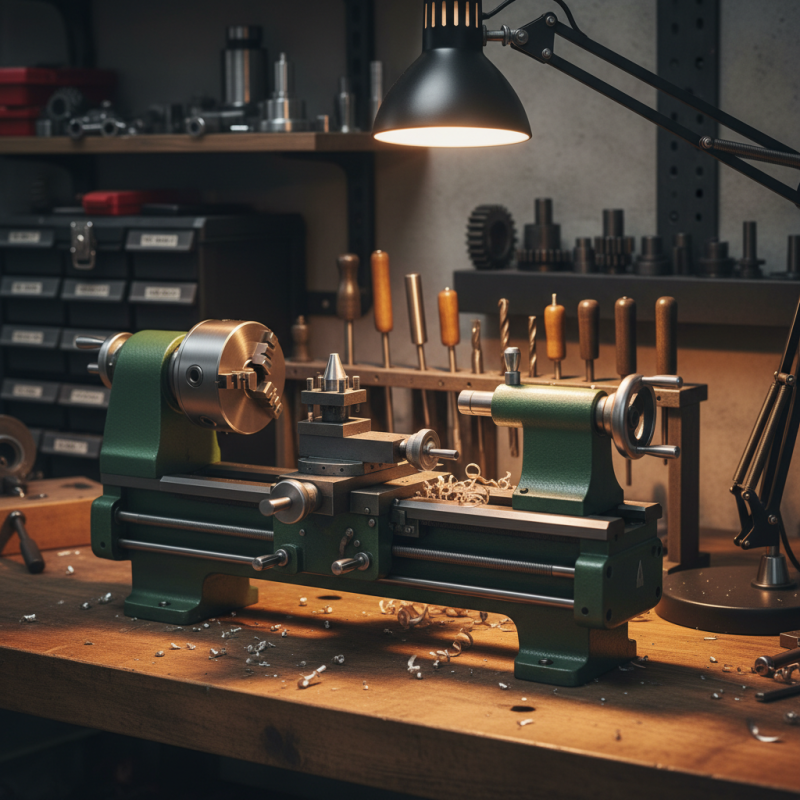
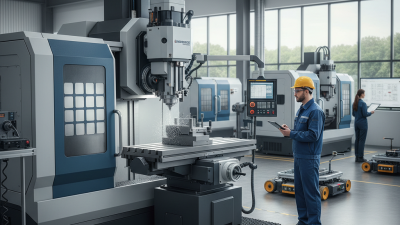
A bench top metal lathe is a compact tool often used in small workshops. It allows precise shaping and cutting of metal materials. These lathes are ideal for hobbyists and professionals aiming to create detailed parts. According to industry reports, the global metal lathe market is projected to grow at a compound annual growth rate of 4.5% from 2023 to 2030. This growth indicates a steady demand for efficient and versatile machine tools.
Choosing the right bench top metal lathe involves understanding its various specifications. Key features include swing over bed, distance between centers, and spindle speed range. Each feature can affect the machine's performance. For example, a larger swing can accommodate bigger workpieces. However, it's important to reflect on one's specific needs. A lathe too powerful may lead to overspending.
**Tip:** Always review your project's requirements before purchasing. Sometimes, a simpler model suffices.
It's crucial not to overlook safety and maintenance. Regularly checking the lathe for wear can prevent accidents. The cost of repair due to neglect can add up. Keep in mind that investing in quality tools can save time and enhance safety.
**Tip:** Establish a maintenance routine to extend your lathe’s lifespan.
Bench Top Metal Lathe Features Comparison
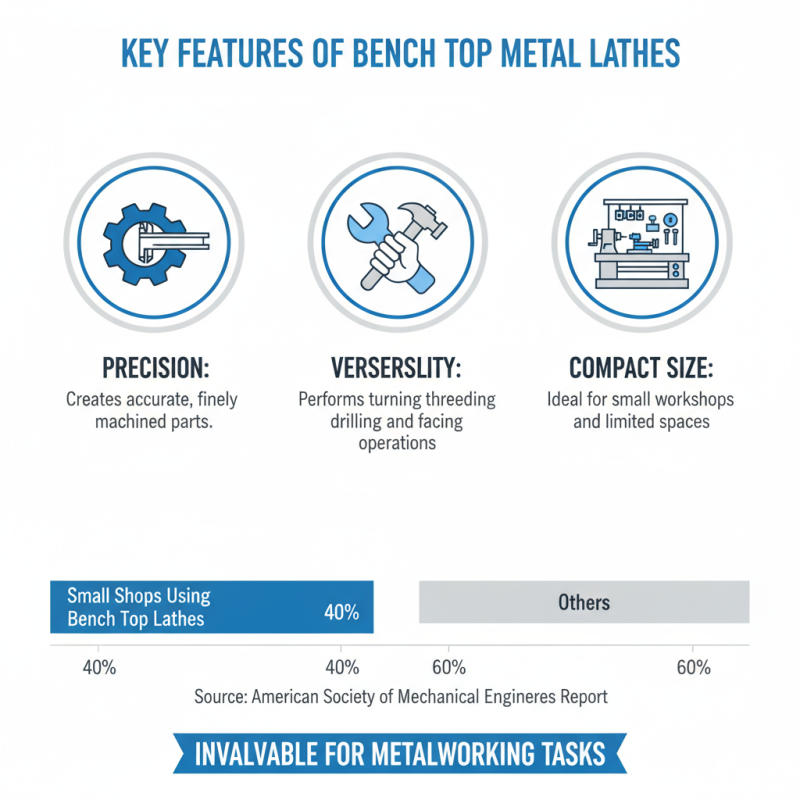
Key Features of Bench Top Metal Lathes
When selecting a bench top metal lathe, it's crucial to understand its key features. These lathes are invaluable in small workshops due to their precision and versatility. A report by the American Society of Mechanical Engineers states that nearly 40% of small shops use bench top lathes for metalworking tasks. This highlights their importance in the industry.
One vital feature is the swing over bed, which determines the largest diameter of workpieces. Typically, a swing of 10 inches is common for small lathes. Another aspect is the spindle speed range, influencing how well the lathe handles different materials. Models with variable speed settings can adapt to both soft and hard metals. Many users report that ease of use is critical, especially for those new to machining.
Additionally, consider the lathe's durability and construction materials. Cast iron models tend to offer better stability and reduce vibrations during operation. However, these may also be heavier and less portable. Weighing the benefits of weight versus mobility is essential for many hobbyists and professionals alike. Each feature adds complexity to the decision-making process, emphasizing the need for informed choices based on individual requirements.
Factors to Consider When Choosing a Bench Top Metal Lathe
Choosing a bench top metal lathe requires careful consideration of multiple factors. Start by assessing the size and weight of the lathe. Most models weigh between 100 to 400 pounds, impacting portability. Heavier models are typically more stable, which is crucial for precision work. Look at the swing over bed and the length of the bed as these measurements define your workspace. A larger swing means you can work with bigger projects.
Next, explore the lathe's capabilities. Consider the variable speed options. Reports indicate that lathes with speeds ranging from 50 to 3000 RPM offer versatility for different materials, including aluminum and steel. The ease of changing speeds is vital. Lathes with a smooth transmission system give better control during operations. Also, examine the motor's horsepower. A range between ½ to 2 HP is common, affecting how aggressively you can cut and shape materials.
Additionally, prioritize safety features. Emergency stop buttons, protective shields, and reliable electrical connections are essential for operation. Regular maintenance is another aspect to reflect on. Frequent checks and lubrication help avoid breakdowns. Industry data shows that poor maintenance can lead to a decrease in overall efficiency and accuracy over time. A well-maintained lathe consistently yields better results, making this an important consideration.
What is a Bench Top Metal Lathe and How to Choose One? - Factors to Consider When Choosing a Bench Top Metal Lathe
| Feature |
Description |
| Size |
Typically ranges from 7" to 12" swing over bed. |
| Weight |
Usually between 50 lbs and 300 lbs, affecting portability. |
| Power |
Motor power typically ranges from 1/4 HP to 2 HP. |
| Control Type |
Manual, electronic, or CNC controls available. |
| Speed Range |
Variable speed controls from 50 RPM to 2000 RPM. |
| Material Compatibility |
Can typically handle metals like aluminum, brass, and mild steel. |
| Bed Type |
Flat, curved, or v-bed designs affect stability and precision. |
| Accessories |
Common accessories include chucks, tool holders, and tailstocks. |
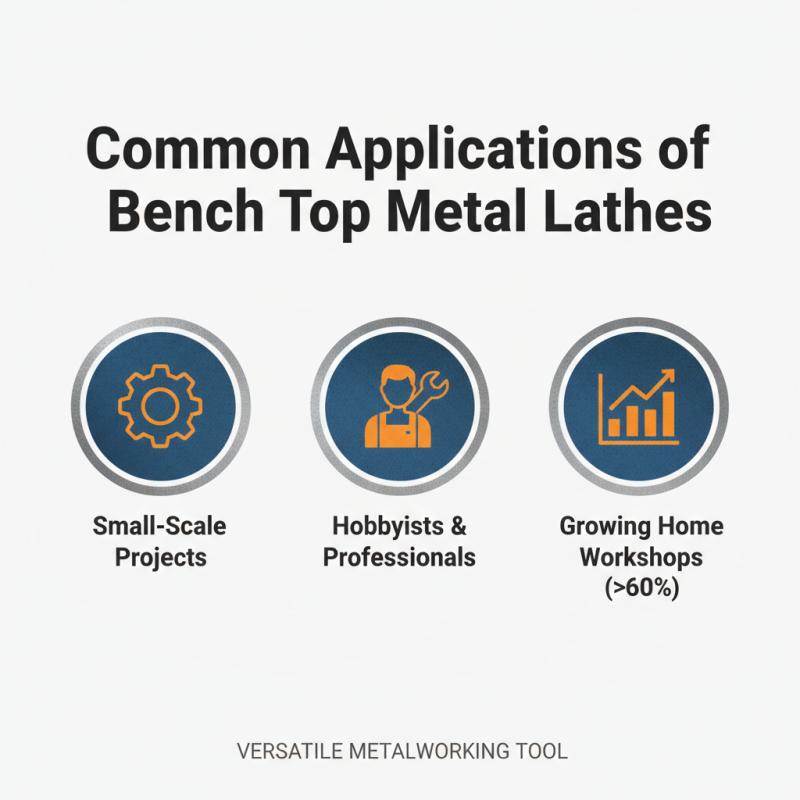
Common Applications of Bench Top Metal Lathes
Bench top metal lathes are versatile machines commonly used in various applications. Hobbyists and professionals alike leverage these tools for small-scale projects. A survey indicated that over 60% of home workshops now include a bench top lathe. This growing trend showcases their importance in the metalworking community.
One primary application of bench top metal lathes is precision machining. They can manufacture intricate parts for robotics and electronics. Reports from industry experts highlight that around 30% of all custom parts are made using lathe machines. Additionally, these lathes serve in the crafting of small components for automotive repairs. For example, creating bushings and spacers requires the precision that these machines offer.
Another common use is prototyping in small businesses. Many startups utilize bench top lathes to produce limited runs of products. Industry documents reveal that 25% of entrepreneurs rely on these machines for initial design phases. However, users should reflect on their needs. Are they opting for the right specifications? Often, buyers might overlook necessary features, limiting their projects. Investing in a reliable lathe requires careful consideration of long-term goals and capabilities.
Tips for Maintaining Your Bench Top Metal Lathe
Maintaining your bench top metal lathe is crucial for its performance and longevity. Regular maintenance can prevent costly repairs and ensure precision in your work.
One simple tip is to keep the machine clean. Dust and metal shavings can accumulate and affect accuracy. Use a soft brush or compressed air to remove debris from the lathe.
Lubrication is another vital aspect. Regularly check and apply the right lubricant to all moving parts. A well-lubricated lathe operates smoothly and reduces wear and tear. Remember,
over-lubrication can attract dirt and create issues. It’s a balance that takes practice.
Check all components regularly. Look for any signs of wear or damage. This proactive approach can help catch problems early. Sometimes, you may overlook minor issues that can lead to significant failures.
Document any maintenance actions you take. This record helps track the lathe’s health over time. With attentive care, your lathe can serve you well for years.