2026 Best Metal Bandsaw Reviews and Buying Guide What to Look For?
In the world of metalworking, the **Metal Bandsaw** stands out for its versatility and precision. Expert Leonard Guidry, a leading figure in metal fabrication, once noted, "The right bandsaw can transform your workflow completely." This highlights the importance of choosing the right tool for your projects.
When selecting a Metal Bandsaw, consider various factors such as blade types and cutting speed. Many users overlook these options and regret later. For example, using the wrong blade can lead to poor cuts and wasted materials.
Purchasing a Metal Bandsaw is a significant investment. It’s vital to reflect on your needs and available space. Researching different models is crucial. The wrong choice could lead to disappointing results. Ensure you understand what features will benefit you in the long run. The right decision requires careful thought and consideration.
Overview of Metal Bandsaws and Their Applications
Metal bandsaws are essential tools in metalworking and fabrication. They excel in cutting various metals with precision. Common applications include manufacturing, construction, and repair. According to industry reports, the global metal bandsaw market is projected to grow steadily, driven by increased demand in industries like automotive and aerospace.
Choosing the right metal bandsaw involves understanding your specific needs. Factors include the type of materials you work with and the desired cut quality. Technical specifications such as blade speed and power also matter. A tool that offers flexibility can handle different metals. This versatility can be beneficial in a workshop where various projects arise.
**Tips:** Always consider the blade type when selecting a bandsaw. High-speed steel (HSS) blades work well for general cutting tasks. Trying different blades may yield better results. Regular maintenance is crucial; it extends the saw's lifespan and ensures safety. Monitoring blade wear can prevent inefficient cuts. Investing in a good cooling system may improve performance but requires regular checks for leaks or blockages. These small details can make a big difference in operation efficiency.
Key Features to Consider When Buying a Metal Bandsaw
When purchasing a metal bandsaw, several key features are crucial.
Blade size is important. A larger blade allows for thicker materials.
Consider the blade speed options too. Different speeds cater to various metal types.
Adjusting speed can enhance precision.
Another aspect is the cutting capacity. Look for a bandsaw that can handle your projects.
A model with versatile cutting angles is beneficial.
It allows for intricate designs without compromising quality.
Durability is a major concern. Metal bandsaws need to withstand heavy use.
A robust frame and reliable motor are essential.
It's vital to think about portability. If you have a small workspace, consider its size.
Some bandsaws may be too heavy or bulky.
User-friendly features matter as well. Intuitive controls enhance the overall experience.
Many users overlook maintenance requirements.
Easy maintenance can save time and frustration. Keep these factors in mind for a smart purchase.
Choosing wisely can lead to better results in your projects.
Top Metal Bandsaw Brands and Models of 2026
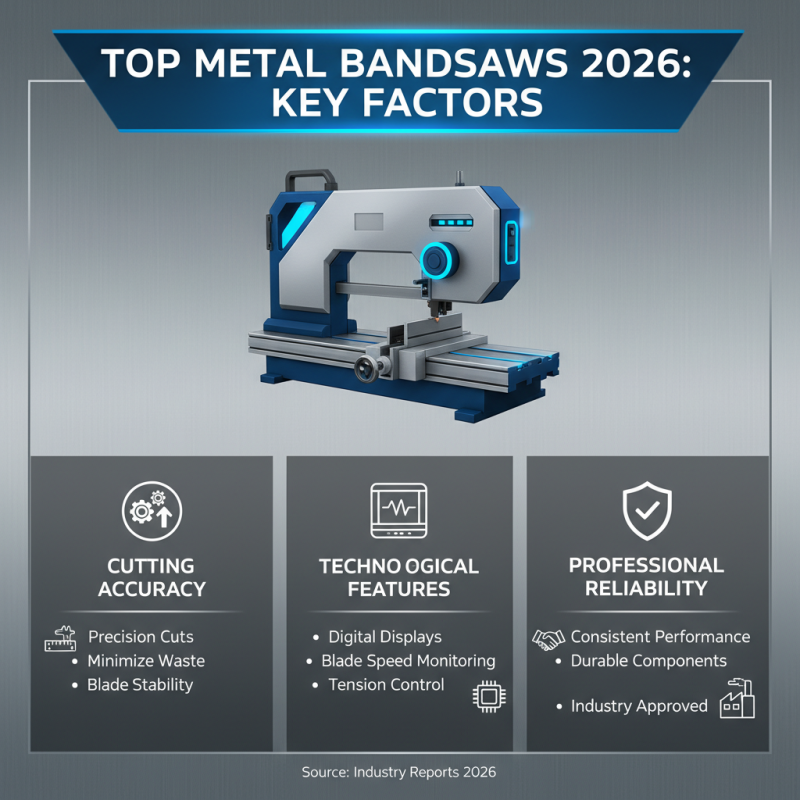
When looking for the top metal bandsaw models of 2026, several key factors play a vital role. Professionals often prioritize cutting accuracy and blade stability. A reliable metal bandsaw should achieve precision cuts to minimize waste. According to recent industry reports, the demand for improved technological features is increasing. Advanced models now utilize digital displays for monitoring blade speed and tension.
In the latest market analysis, it is revealed that around 65% of users prefer bandsaws with enhanced safety features. This trend highlights the importance of user-friendly designs. Features like automatic shut-off and improved blade guards are essential for safe operation. Additionally, users expressed the need for better support during heavy cutting tasks, showcasing a gap in some existing models.
The choice of blade type significantly influences performance outcomes. Bi-metal blades, for instance, have gained popularity due to their durability. Users often indicate dissatisfaction with the lifespan of standard blades, prompting many to explore alternatives. Brands that innovate in blade technology often receive better reviews. Overall, the landscape of metal bandsaws is evolving. The ongoing quest for innovation clearly indicates a demand for more robust and efficient designs.
Maintenance Tips for Maximizing Bandsaw Performance
Proper maintenance is essential for maximizing the performance of your metal bandsaw. Regularly check the blade tension. A loose blade can lead to uneven cuts and reduced efficiency. Examine the blade for any signs of wear or damage. A dull blade can slow down your work and produce rough edges. Replace it promptly to maintain cutting precision.
Lubrication is key for the moving parts. Apply appropriate lubricants to the bearings and guides. This will help prevent friction and extend the life of your bandsaw. Dust buildup can also hinder performance. Make sure to clean the saw after each use. A clean workspace is vital for both safety and efficiency.
Pay attention to the alignment of your bandsaw. Misalignment can lead to crooked cuts. It’s crucial to double-check adjustments before starting any project. Minor errors in setup can lead to bigger problems down the line. Keep a maintenance log to track your bandsaw's performance over time. This habit can reveal patterns that need addressing, ensuring a smoother workflow in future projects.
2026 Best Metal Bandsaw Performance Comparison
This chart compares the performance metrics of various metal bandsaws based on three critical dimensions: Cutting Speed (meters/minute), Blade Longevity (hours), and Accuracy (mm). These factors are essential when selecting the best bandsaw for your needs.
Comparison of Band vs. Blade Types for Metal Cutting
When it comes to cutting metal, one essential decision involves the type of band or blade you choose. Bandsaws are versatile tools that come with various blade options. Each blade type has its advantages and limitations. For instance, bi-metal blades are durable and effective, but they can be a bit more expensive. In contrast, carbon steel blades are cheaper, yet they wear out faster.
Another factor to consider is the tooth configuration of the blade. A finer tooth design provides a cleaner cut but can be slower. Coarse teeth, on the other hand, make quick work of thick materials, though they might leave rough edges. It's crucial to evaluate what aspects matter most for your specific metal cutting tasks. Do you prioritize speed or precision? Your answer will guide your choice.
Choosing between band and blade types can feel overwhelming. Each option has its quirks. It might take some trial and error to find the perfect match for your needs. Remember, even experienced users sometimes struggle with this decision. Take your time and reflect on how often you'll use the tool and the specific metal types you plan to cut. A well-informed choice will save time and frustration down the line.