Best Milling Machine for Your Business Needs in 2026?
In the ever-evolving landscape of manufacturing, choosing the right milling machine is crucial for businesses. As we look toward 2026, several factors will determine the best choice for your needs. The milling machine's technology is advancing rapidly, offering more precision and efficiency. These machines are now more user-friendly and versatile than ever before.
However, with so many options available, it can be overwhelming. Some machines boast advanced features that may not suit every business model. It's essential to analyze your specific requirements, production volume, and budget. Not all costly machines guarantee better outcomes. A thoughtfully selected milling machine can enhance productivity and reduce waste.
Consider seeking expert advice to navigate this complex market. Reliable reviews and testimonials can guide your decision-making. Investing time in understanding the available options pays off. Your choice today impacts your business's future.
Key Factors to Consider When Choosing a Milling Machine for 2026
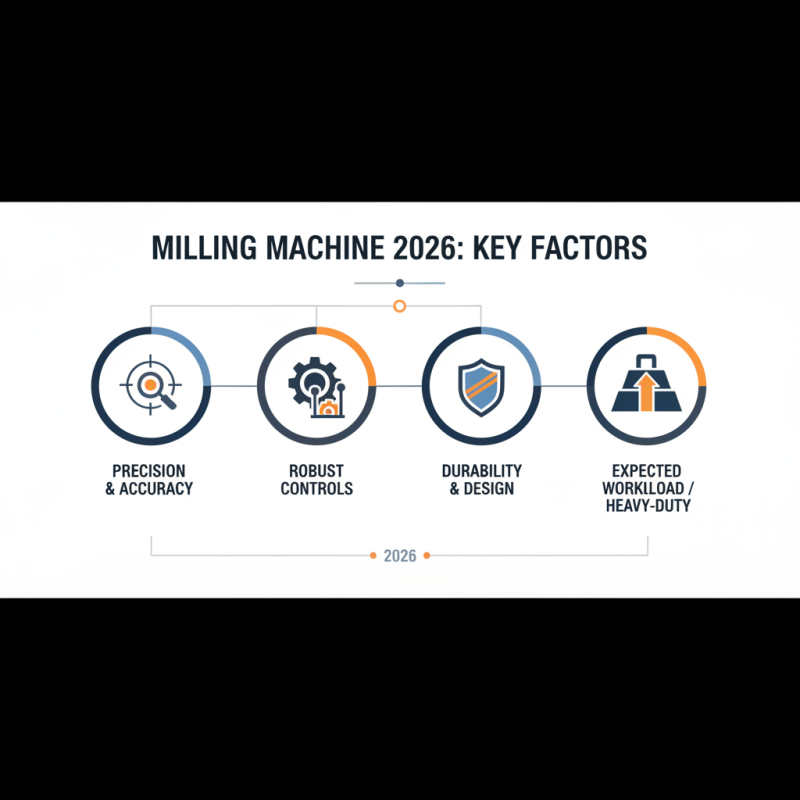
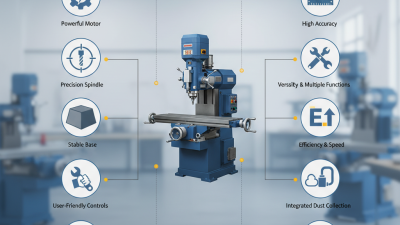
When selecting a milling machine for your business in 2026, several key factors come into play. The machine's precision is crucial. Look for machines with high accuracy rates. They should offer robust controls to handle various materials. Robustness in design ensures longevity. Consider the expected workload; a heavy-duty machine may be needed for extensive projects.
Another factor is user-friendliness. An intuitive interface can save time and reduce errors. Staff training is also essential. Complex machines can lead to costly mistakes if operators are not adequately trained. Consider the machine's maintenance needs. Regular servicing might be needed, which can add hidden costs.
Energy efficiency is becoming increasingly important. Machines that consume less energy can lower operational costs. Additionally, assess the machine's versatility. Can it handle different processes? Reflect on future needs as well. Your business goals may evolve, so flexibility in a milling machine can provide significant advantages.
Top Milling Machine Brands and Their Innovations for Business Needs
In 2026, milling machines have evolved to meet diverse business needs. The latest innovations focus on efficiency, precision, and automation. Reports from the Machinery Research Institute indicate that nearly 70% of manufacturers prioritize these features in their purchasing decisions. This reflects a broader trend in the industry toward maximizing productivity while reducing labor costs.
Top brands are now incorporating advanced features like AI-driven software for real-time adjustments. This technology enhances accuracy and ensures consistent output quality. However, not all businesses have embraced these advancements. Some still rely on older models, missing out on potential gains. Industry data suggests that companies using modern technology can achieve a 30% increase in efficiency, highlighting the gap between innovators and traditionalists.
Additionally, there are concerns about the steep learning curve associated with new machinery. Training resources can vary widely. An overwhelming majority of operators expressed the need for more comprehensive support. Balancing innovation with practical usability remains a challenge for many. As businesses weigh their options, staying informed about the latest trends is essential.
Best Milling Machines in 2026: Performance Analysis
This chart represents the performance scores of various key factors for milling machines in 2026. The scores range from 0 to 100, showcasing the effectiveness of milling machines based on precision, speed, durability, versatility, and ease of use.
Comparison of CNC and Traditional Milling Machines for 2026
When considering milling machines for 2026, the choice between CNC and traditional milling machines is crucial. CNC machines automate processes, enhancing precision and speed. This can significantly reduce human error. However, they require a higher initial investment and ongoing maintenance. Traditional milling machines, on the other hand, allow for hands-on control. They are often more affordable and easier to repair. Yet, they lack the efficiency and consistency that CNC machines offer.
For small businesses, the decision may hinge on the type of work produced. CNC machines excel in repetitive tasks, streamlining production. But, for bespoke projects, a traditional setup allows for creativity and adaptability. It’s vital to evaluate specific needs before making a choice. The learning curve for CNC can be steep. Workers will need training, which adds time and cost. This factor is often overlooked, yet it affects long-term productivity.
Flexibility remains a double-edged sword. While traditional machines offer it, they demand more skilled craftsmanship. Is there a risk of falling behind in precision and speed? In contrast, CNC machines can produce intricate designs with ease. Nevertheless, they may not suit every business environment. Each approach requires careful consideration of operational goals and available resources. Reflecting on these aspects will guide businesses toward the best milling solution for their future needs.
Best Milling Machine for Your Business Needs in 2026
| Type |
Accuracy (mm) |
Speed (RPM) |
Material Compatibility |
Cost Estimate ($) |
Control Type |
| CNC Milling Machine |
0.02 |
8000 |
Aluminum, Steel, Plastics |
20,000 - 150,000 |
Computer Numerical Control |
| Traditional Milling Machine |
0.1 |
2000 |
Wood, Aluminum, Mild Steel |
5,000 - 50,000 |
Manual Control |
| 5-Axis CNC Milling Machine |
0.01 |
12000 |
Titanium, Composite |
50,000 - 300,000 |
Computer Numerical Control |
Maintenance Tips for Ensuring Optimal Performance of Milling Machines
Milling machines are vital for many businesses. To ensure they operate at their best, regular maintenance is essential. Start with daily checks. Inspect the tool holders, ensuring they are clean and free of debris. Keeping them in top condition prevents wear and tear.
Lubrication is key to smooth operation. Use the recommended oils for moving parts. Over time, neglecting lubrication can lead to friction and mechanical failures. Pay attention to unusual sounds during operation. They often signal something may be wrong.
Calibration is another critical aspect. Regularly check the machine's precision. Misalignment can lead to production errors. Take note if the output isn’t meeting your standards. This might require professional servicing. Each step taken strengthens your milling machine's longevity and efficiency.
Future Trends in Milling Machine Technology and Their Impact on Businesses
The milling machine industry is witnessing rapid advancements, significantly influencing business operations. A recent report by MarketsandMarkets predicts that the global CNC milling machine market will grow from $2.7 billion in 2021 to $3.6 billion by 2026. This trend highlights the increasing demand for precision and efficiency in manufacturing processes.
Advancements in automation and AI integration are reshaping milling technologies. Machines equipped with artificial intelligence can optimize operations, reducing waste and downtime. A study by McKinsey indicates that automating milling processes could save companies up to 30% in operational costs. However, businesses must remain vigilant. Technology adoption requires skill development and training for existing employees.
Sustainability is another critical trend. The shift toward eco-friendly manufacturing practices drives the demand for machines with lower energy consumption. According to the International Energy Agency, energy-efficient machines can reduce energy use by up to 40%. Companies need to reflect on their current practices and explore greener options. Balancing cost with sustainability is essential for future success.