How to Choose the Best Drilling Machine for Your Needs?
When selecting the best drilling machine, making an informed choice is essential. Expert John Smith, a leading figure in the drilling industry, said, "The right drilling machine can make all the difference." This insight emphasizes the importance of understanding your specific needs before diving into the purchase process.
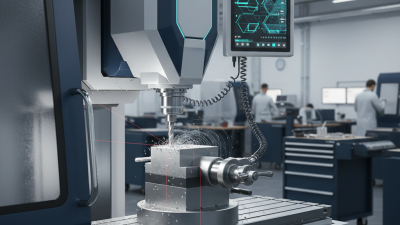
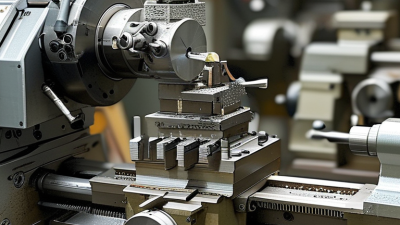
Consider the various applications of drilling machines. Some machines excel at precise work, while others handle heavy-duty operations. Recognizing the intended use is crucial. You might need a lightweight model for home projects or a robust option for industrial tasks.
Another factor to reflect on is the technical specifications. Horsepower, speed, and drill bit compatibility play significant roles. Reflecting on these details can be overwhelming, yet it’s necessary to ensure utility and efficiency. Your choice of a drilling machine impacts not only project outcomes but also your productivity and safety. The right balance may not always be clear at first, requiring careful consideration and, at times, reevaluation of initial choices.
Understanding Different Types of Drilling Machines Available on the Market
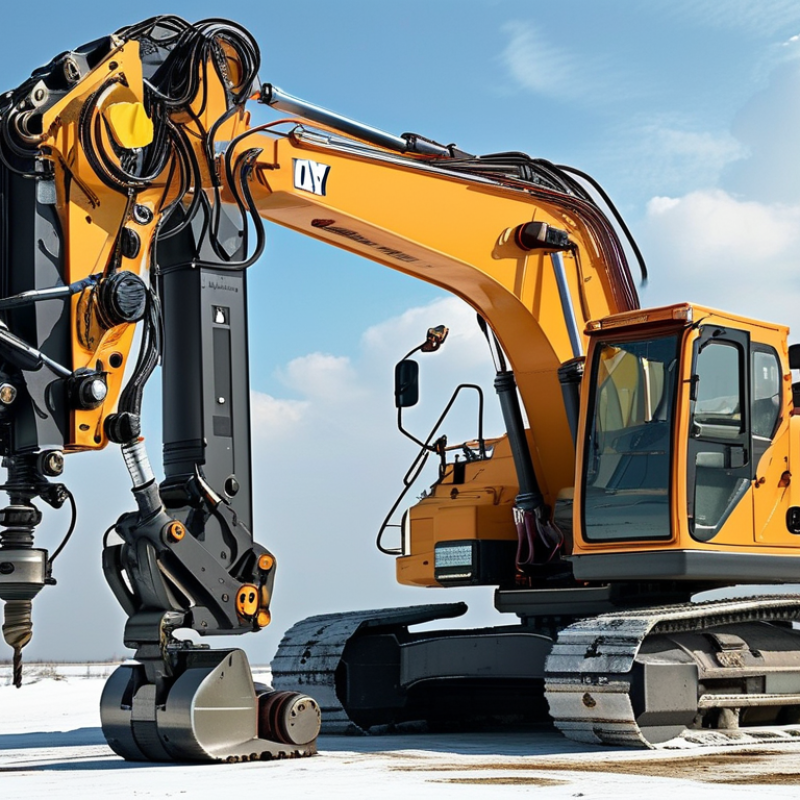
When considering drilling machines, it's important to understand the various types available. The most common options include cordless and corded electric drills, hammer drills, and drill presses. Each type serves distinct purposes and offers unique features.
Cordless drills are ideal for portability. They allow you to work in tight spaces without being tethered by a power cord. These drills are great for DIY projects around the house. However, battery life can be a limiting factor. Some users may find themselves needing to recharge frequently during extended tasks.
On the other hand, corded drills usually provide more consistent power. They are excellent for heavy-duty projects. Hammer drills excel in drilling into harder materials, like concrete. Drill presses are stationary and offer precise control for intricate tasks. However, they require a larger workspace. The choice depends on your specific needs and the types of materials you’ll encounter. Understanding these differences helps in selecting the right tool for your projects. Each machine has limitations and strengths. Reflecting on your requirements will lead to a better choice.
Key Features to Consider When Selecting a Drilling Machine for Your Project
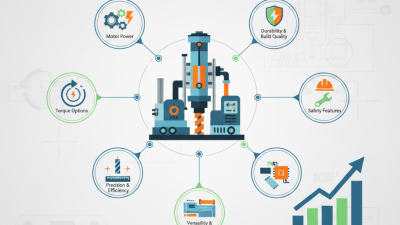
When selecting a drilling machine for your project, it's crucial to consider key features. Start with power. Machines with higher wattage can handle tougher materials. If you plan to drill into concrete or metal, extra power is necessary. A lightweight option may be more manageable, but it might fall short on performance.
Next, evaluate the drill's speed settings. Adjustable speeds allow for versatility across different materials. Slow speeds work better for harder materials, while higher speeds are ideal for softer ones. Look for variable speed triggers to gain better control during use.
Additionally, pay attention to the type of chuck. A keyless chuck simplifies bit changes. However, a keyed chuck may provide a tighter grip on bits, which is essential for heavy-duty tasks. Reflecting on your specific needs will help you choose wisely. Balance power, speed, and chuck type to achieve the best results for your projects.
Assessing the Power and Speed Requirements for Your Drilling Tasks
Choosing the right drilling machine requires careful consideration of power and speed. These factors directly impact the efficiency of your drilling tasks. Studies show that a machine's torque and RPM ratings are crucial. For example, a drill with 500 in-lbs of torque is optimal for heavy-duty tasks. Higher RPMs are better for softer materials, while lower speeds reduce heat in hard materials.
Power requirements can vary significantly based on drilling applications. A survey indicated that 40% of users prefer drills with at least 700 watts for versatility. Overestimating power needs may lead to overspending. As a result, it’s essential to analyze your typical projects. Common power ratings range from 500 to 1,200 watts, depending on the complexity of your work.
Consideration of speed is equally essential. Certain tasks, like creating pilot holes, benefit from faster speeds, while others, like mixing or driving screws, require caution. A well-rounded drill might offer multiple speed settings, which adds to its usability. Users often overlook this feature, leading to inefficiency. Balancing power and speed can enhance productivity. Reflecting on your specific drilling requirements ensures you choose a machine that matches your needs effectively.
Evaluating Portability and Size: Choosing the Right Drilling Machine
When selecting a drilling machine, portability and size play crucial roles. A compact design can enhance maneuverability, allowing users to access tight spaces effectively. Smaller machines often weigh less, making them easier to transport to various job sites. If your work involves traveling frequently, consider the weight in your decision-making. However, portability comes with trade-offs. A smaller drill might lack the power of a larger model.
Evaluating the size of the drilling machine is essential. Think about the projects you typically handle. Larger drills provide more depth and torque but can be cumbersome. On the other hand, a more compact machine can limit capabilities. Determine what fits your needs. For instance, an ideal option might be a mid-sized drill that balances power and portability well.
Reflect on your specific tasks. Do you drill indoors or outdoors? What materials do you encounter most? These factors will shape your choice. Finding the right balance between portability and performance may require some trial and error. Understanding that no single machine is perfect will guide your selection process. Embrace the learning curve.
Budget Considerations: Finding a Drilling Machine that Fits Your Needs
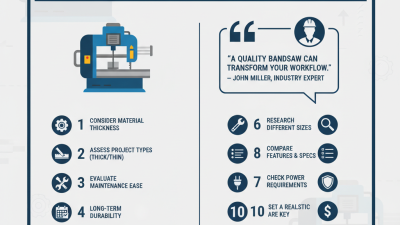
When choosing a drilling machine, budget is a critical factor. You need to evaluate what you can afford and the features you require. Identify essential specifications. Consider power, speed, and drilling capacity. A higher price does not always mean better quality. Sometimes, mid-range models perform exceptionally well.
Another aspect to reflect on is the purpose of your drilling tasks. If you’re a hobbyist, a basic model might suffice. However, professionals may need advanced features. Research different options within your budget. Reading reviews from trusted sources can help you understand the pros and cons of various models. Keep an open mind about less popular brands; they often offer reliable products at lower prices.
Lastly, don’t forget about maintenance costs. Some machines may have cheaper upfront costs but have expensive repair or accessory needs. Factor in long-term expenses when making your choice. This will ensure that your investment truly meets your needs, both now and in the future.