How to Choose the Best Milling Drilling Machine for Your Needs?
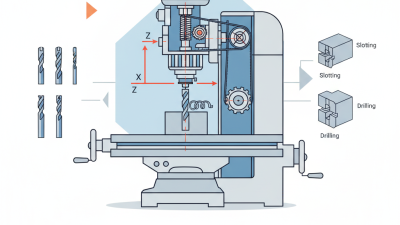
Choosing the right Milling Drilling Machine is a crucial decision for any workshop. This equipment combines two essential functions: milling and drilling. Understanding these machines can be overwhelming, especially with the variety available on the market. Each machine offers unique features tailored to different needs.
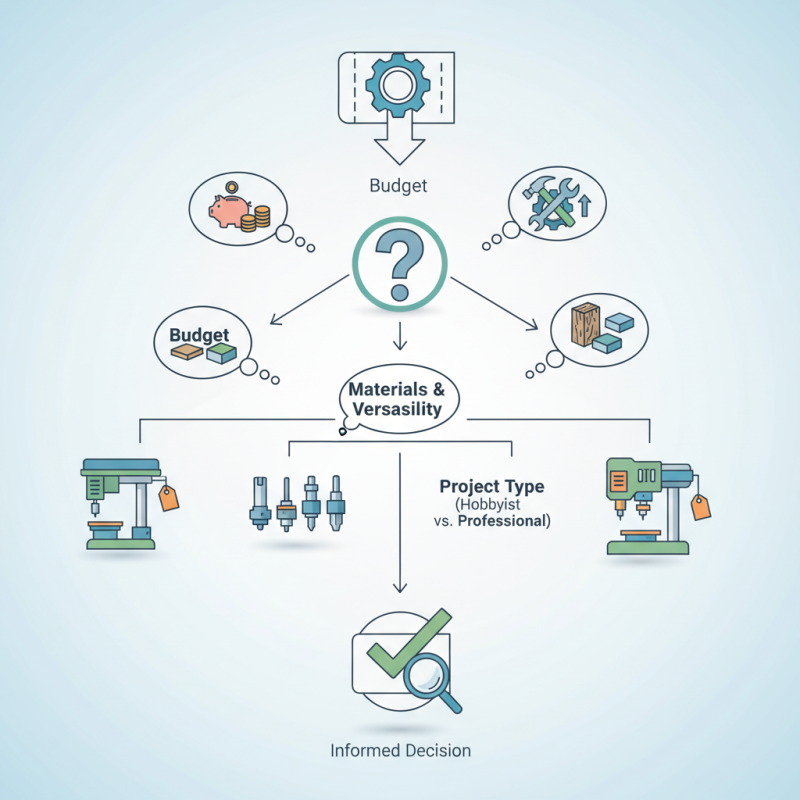
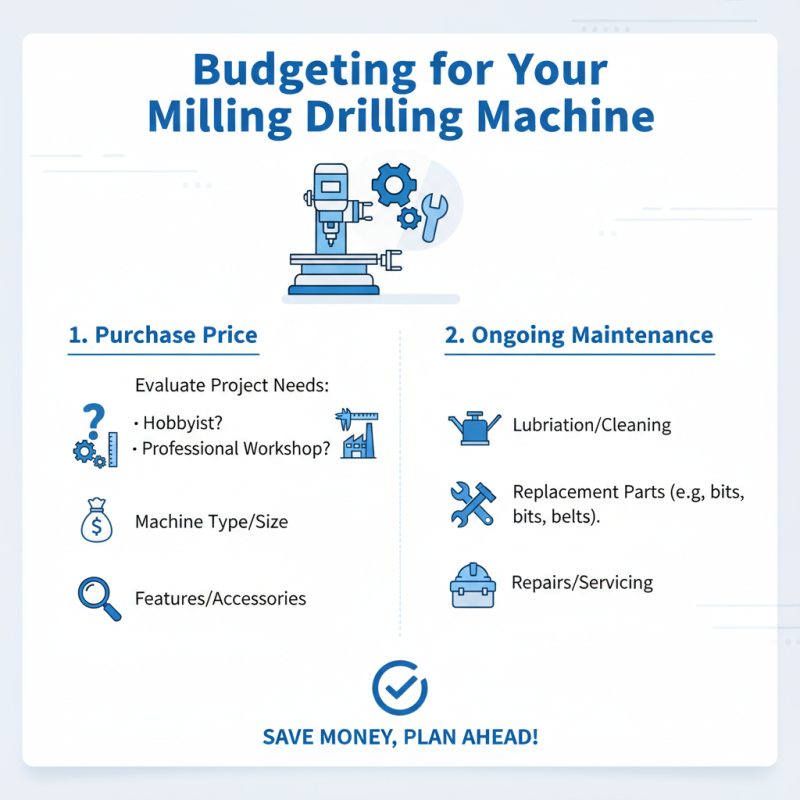
Consider your projects carefully. A hobbyist might not need the same machine as a professional. Think about your budget as well. Affordable options exist, but they may lack advanced features. Sometimes, spending more can save you money in the long run.
Assessing the machine's capabilities is vital. Look for flexibility in operation. Can it handle various materials? Does it come with multiple attachments? Reflect on the future. Will this machine grow with your skills? Finding the best Milling Drilling Machine requires thoughtful consideration and research. It’s about getting the most value for your needs.
Understanding Milling Drilling Machines: Types and Features
Milling drilling machines come in various types, each serving different purposes. Understanding these types can help you make a more informed choice.
There are vertical and horizontal milling machines. Vertical machines are popular for their versatility. They allow for easy operation and setup, especially for smaller tasks.
Horizontal machines, however, excel in heavy-duty tasks. They often handle larger workpieces more efficiently.
When looking at features, consider the power of the motor. A powerful motor can significantly affect productivity. Pay attention to the speed range offered by the machine. A wider range allows for greater flexibility in milling and drilling operations.
Moreover, look for adjustable feed rates. These features can make a significant difference in precision.
Another aspect to think about is the overall build quality. A sturdy machine can endure rigorous use while maintaining accuracy. Don't overlook the importance of safety features either. Proper guards and emergency shut-off switches can prevent accidents.
Reflecting on these factors can guide you in making the right choice. Choosing the wrong machine can lead to frustration and inefficiency.
Key Factors to Consider When Choosing a Milling Drilling Machine
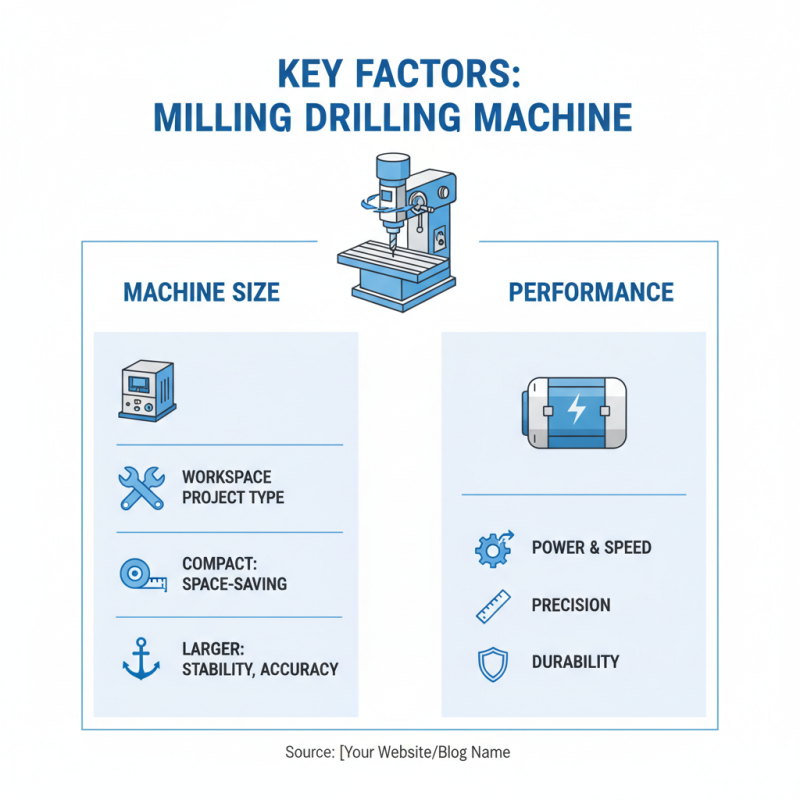
When choosing a milling drilling machine, various factors come into play. Machine size is essential. It affects your workspace and the types of projects you can handle. If space is tight, compact models can still offer decent performance. However, larger machines often provide better stability and accuracy.
Power is another critical aspect. Machines with higher horsepower can handle tougher materials but may consume more energy. It’s vital to assess the materials you will frequently work with. Additionally, consider the speed settings. Adjustable speeds allow for precision in different applications.
Don’t forget about the features that enhance usability. A digital readout can improve measurement accuracy. Some machines also offer programmable settings for repetitive tasks. Reflect on whether your workflow would benefit from these advancements. Ultimately, make sure the machine aligns with your specific needs and skill level. This choice requires careful thought to avoid future regret.
Assessing Your Project Needs and Material Compatibility
When choosing a milling drilling machine, it’s crucial to assess your project needs and material compatibility. Identify the types of materials you will work with. Wood, metal, and plastic each require different approaches. For instance, aluminum needs sharp tools and precise settings. Conversely, softer woods are more forgiving. Understanding these differences is vital for successful projects.
Think about the scale of your projects. A small hobbyist project may not need a heavy-duty machine. Yet, if you plan to work on larger, intricate pieces, investing in a robust model makes sense. Sometimes, even experienced users underestimate the importance of accuracy. A minor mistake in setting up can lead to wasted materials. Take your time during this process; it pays off.
Moreover, consider the versatility of the machine. Some people might overlook features like adjustable speeds. This can limit your options later. A machine that fits various materials and functions can make future projects easier. Reflect on your long-term goals too. What else might you want to create? The right choice today influences your success tomorrow.
Material Compatibility for Milling Drilling Machines
This chart illustrates the compatibility of various materials with milling drilling machines, showing the level of efficiency for each material type.
Comparing Brands and Models: Reliability and Performance
When choosing a milling drilling machine, reliability is crucial. A machine that often breaks down can slow production. Look for models with a good track record in performance. Research user experiences to determine which machines stand the test of time.
While some models promise high precision, they may require constant calibration. This can be frustrating. Some users report that they spend too much time adjusting settings rather than working. It's essential to balance performance with usability.
Additionally, consider the support offered by manufacturers. Some provide better customer service than others. Waiting days for assistance can hinder progress. Pay attention to each model's warranty and service options. Reflecting on these factors can help in making a sound decision.
How to Choose the Best Milling Drilling Machine for Your Needs? - Comparing Brands and Models: Reliability and Performance
| Model |
Power (HP) |
Drilling Capacity (mm) |
Milling Capacity (mm) |
Weight (kg) |
Price ($) |
Reliability Rating (out of 5) |
| Model A |
2.0 |
30 |
25 |
150 |
800 |
4.5 |
| Model B |
1.5 |
25 |
20 |
120 |
600 |
4.0 |
| Model C |
3.0 |
35 |
30 |
200 |
1000 |
4.8 |
| Model D |
2.5 |
32 |
28 |
165 |
950 |
4.6 |