How to Choose the Best Sheet Metal Shearing Machine?
Choosing the right Sheet Metal Shearing Machine is a crucial decision for fabricators. The right machine can enhance productivity and efficiency. As John Anderson, a leading expert in metal fabrication, states, “The right shearing machine can make all the difference in your operations.”
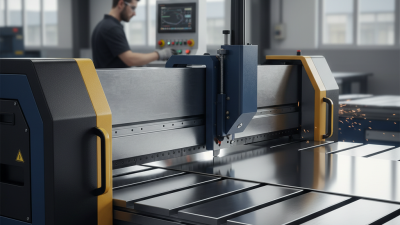
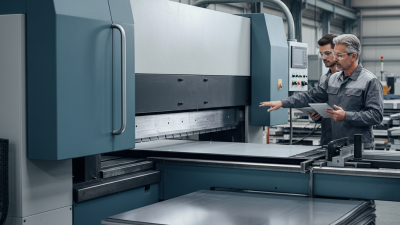
When selecting a sheet metal shearing machine, consider the machine’s capacity and type. Precision is key in shearing operations. A high-quality machine minimizes waste and produces clean cuts. Examine the features offered by different models. Look for machines that offer flexibility and ease of use.
Also, consider the support and service from the manufacturer. A reliable provider can make maintenance simpler. Reflecting on choices is essential. Each option comes with pros and cons. Investing time in research will lead to a better decision. Remember, the best machine for you is one that aligns with your specific needs.
Understanding the Different Types of Sheet Metal Shearing Machines
When selecting a sheet metal shearing machine, it’s essential to grasp the various types available. The primary categories include mechanical, hydraulic, and pneumatic shear machines. Each type serves distinct requirements, depending on the material thickness and cutting precision needed. According to an industry report, 85% of manufacturers prefer hydraulic shearing machines due to their efficiency in cutting thicker metals.
Mechanical shears are characterized by a lower price point. Yet, they struggle with consistency when handling thicker materials. In contrast, hydraulic shears can manage heavy workloads. They offer better control, providing a clean cut without excessive burrs. Moreover, pneumatic shears are typically portable and suited for lighter-duty tasks. However, their capacity is limited compared to hydraulic options.
Understanding the usage demands is vital. A survey indicated that 70% of users reported frequent downtime due to the inability of their machines to handle diverse thicknesses. Therefore, assessing the variety and volume of metals processed can lead to smarter investment choices. Quality and durability should guide the selection process, as some machines may require more maintenance over time.
Evaluating Shear Capacity and Material Thickness for Optimal Selection
When selecting a sheet metal shearing machine, evaluating shear capacity and material thickness is crucial. Different materials require different shear strengths. For instance, stainless steel demands more power compared to aluminum. Knowing the thickness of the materials you work with can help determine the necessary capacity for your shearing machine.
It's not just about power; precision matters too. If the machine cannot cut accurately to the desired specifications, it may lead to increased waste. Mistakes can cause delays and additional costs. Set clear parameters based on your typical projects. Understand the range of material thicknesses you will often encounter.
Reflect on your experience with various machines. Sometimes, a higher capacity doesn't guarantee a smoother operation. Factors like blade quality and machine design also play significant roles. Test different models if possible, and seek input from experienced users. Such insights can guide you toward a machine that balances capacity, thickness, and precision effectively.
Key Features and Technologies in Modern Shearing Machines
When selecting a sheet metal shearing machine, understanding key features is essential. Modern machines incorporate advanced technologies that enhance efficiency. For instance, hydraulic systems provide steady, powerful cutting capabilities. According to market research, about 70% of manufacturers prefer hydraulic shears due to their precision and reliability.
Another crucial feature is the control system. CNC (Computer Numerical Control) technology allows for automated shearing processes. This ensures uniformity and reduces errors. Data shows that machines with CNC capabilities can increase productivity by up to 40%. Despite these advancements, some operators still struggle with setup complexities. This highlights an area for improvement in user training and machine design.
Blades are also vital in determining a machine's effectiveness. High-quality, durable blades lead to cleaner cuts. However, the ongoing maintenance required can be a drawback. Regular blade replacements are necessary, which can affect operational costs. Balancing initial investment against long-term expenses is a common concern for many businesses.
Cost Factors and Budgeting for a Quality Sheet Metal Shearing Machine
When budgeting for a quality sheet metal shearing machine, it’s essential to consider several cost factors. According to industry reports, the price of a decent shearing machine can range from $5,000 to $50,000, depending on capabilities and specifications. Larger, industrial-grade machines come with advanced features but also require a more significant investment. Maintenance costs must not be overlooked. Regular servicing can add up, so factor those into your total budget.
Power consumption is another critical cost factor. A machine that saves energy can reduce operating expenses. In some cases, energy-efficient models can lead to savings of 20% or more in utility bills. Additionally, consider the cost of replacement blades and other consumables. Depending on usage, these can represent a considerable ongoing expense.
Training employees on proper machine operation adds another layer to the budget. A skilled operator can enhance productivity and equipment longevity. Investing in quality training materials and programs is often overlooked but can save costs in the long run. Reflecting on these considerations ensures that you select a machine that fits not just your needs but also your financial framework.
Safety Standards and Compliance Considerations for Shearing Equipment
When selecting a sheet metal shearing machine, safety standards are paramount. Compliance with safety regulations not only protects workers but also enhances operational efficiency. Each machine must meet the established guidelines set by recognized safety organizations. Regular audits and inspections are essential to ensure ongoing compliance.
Machinery often has various safety features such as emergency stops, guards, and warning signals. It’s crucial to understand how these features function. However, it’s also important to assess if operators are adequately trained to utilize these safety measures. There might be instances where workers ignore safety protocols, leading to accidents and injuries.
Documentation and certifications play significant roles in ensuring that a shearing machine meets safety standards. Lack of proper records can lead to overlooking potential hazards. It’s essential to maintain thorough documentation of all safety checks and employee training sessions. This practice not only ensures compliance but also builds a safety-oriented culture. Over time, organizations may realize that a strong focus on safety reduces downtime and fosters a better working environment.
Safety Standards Compliance of Sheet Metal Shearing Machines