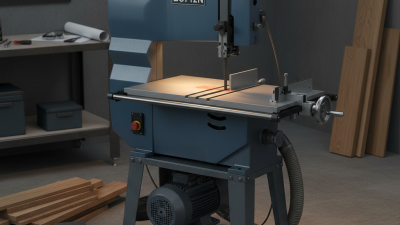
How to Choose the Right Band Saw for Your Woodworking Projects?
Choosing the right band saw can significantly impact your woodworking projects. A band saw is not just another tool; it's an essential instrument that enhances precision and efficiency. According to a report by Woodworking Network, 70% of woodworkers cite tool selection as crucial for achieving quality finishes. With various types and models available, selecting the ideal band saw requires careful consideration.
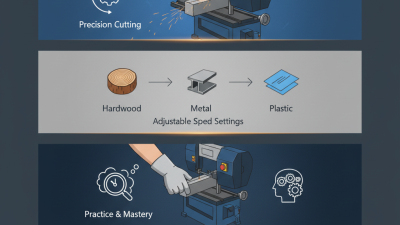
Different band saws serve specific purposes. For instance, some excel at resawing, while others are better suited for curved cuts. Understanding these functions is vital. A survey from Fine Woodworking shows that experienced woodworkers prefer band saws with adaptable features, like adjustable blade speeds. This adaptability allows them to switch tasks swiftly, improving workflow.
However, purchasing a band saw isn’t without challenges. Many find themselves overwhelmed by options and specifications. Inadequate knowledge can lead to costly mistakes. Reflecting on personal experiences, some woodworkers regret not choosing a saw with better cutting capabilities. It’s important to evaluate both your needs and the saw's features critically. Doing so ensures your investment supports your craftsmanship effectively.
Understanding Different Types of Band Saws for Woodworking
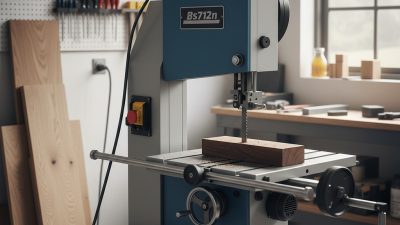
Choosing the right band saw can elevate your woodworking game. Understanding the types available is essential for making an informed decision. There are three main categories: vertical, horizontal, and portable band saws. Each has unique benefits and limitations based on your project needs.
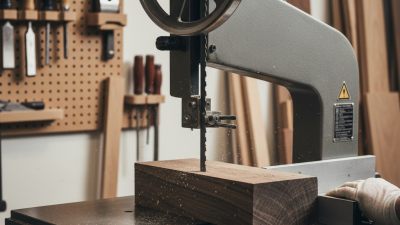
Vertical band saws are great for intricate cuts. They offer stability for detailed work. However, they require adequate floor space, which might not suit everyone.
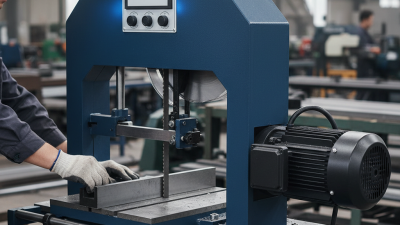
Horizontal band saws excel at straight cuts. They focus on efficiency and bulk cutting but can lack finesse.
Portable band saws provide flexibility; you can easily move them around for smaller tasks. Yet, they may not have the power required for heavy-duty jobs.
While features matter, don’t overlook the importance of user reviews and advice from experienced woodworkers. Band saws may seem straightforward, but each model can have quirks. Spending time to understand these nuances can make a difference. Remember to think about your woodworking goals. What works for one person may not be the best option for you. Be open to trial and error during your band saw journey.
Key Features to Consider When Choosing a Band Saw
When choosing a band saw, consider essential features that affect performance and usability.
Blade width is crucial. Wider blades can handle thicker materials.
However, they may restrict the saw's ability to perform intricate cuts. Know your typical projects to make the best choice.
The motor's horsepower influences cutting efficiency. A more powerful motor allows for smoother cuts in denser woods.
But power is not everything; a well-balanced, lighter band saw can be easier to maneuver. Remember that stability is key during operation.
Look for bases that provide solid support to minimize vibrations.
Adjustable blade guides are another feature to evaluate. Proper alignment ensures that your cuts stay true and safe.
It is frustrating to deal with uneven results. An easy-to-use adjustment mechanism is a plus, especially for beginners.
Don't forget about the size of the throat. A larger throat allows for wider workpieces, enhancing versatility for various projects.
Assessing the Required Size and Power for Your Projects
When selecting a band saw, size and power are critical factors that directly impact your woodworking projects. The optimal blade size often ranges from 1/4 inch to 1 inch. A smaller blade is useful for intricate cuts, while wider blades provide more stability for heavy stock. Woodworkers typically choose a band saw with a cutting height of at least 6 inches for versatility.
Power is another important consideration. Most woodworking band saws fall between 1/2 HP and 3 HP. A 1 HP motor is sufficient for general use, while more demanding tasks may require up to 3 HP. According to industry reports, models with 2 HP capacities can significantly enhance efficiency for resawing tasks. Too little power can lead to frustration and incomplete cuts.
The weight of the saw also plays a role in its stability and usability. A heavier saw tends to absorb vibrations better, leading to cleaner cuts. However, moving a heavier unit can be challenging. Many woodworkers find that balance between stability and portability often requires deeper thought than initially expected. Proper assessment of your project's requirements will ensure that the band saw you choose aligns with your aspirations.
How to Choose the Right Band Saw for Your Woodworking Projects?
| Size (Inches) |
Power (HP) |
Cutting Capacity (Width) |
Cutting Capacity (Height) |
Best Use Case |
| 14" |
1.5 HP |
13" |
6" |
General woodworking & resawing |
| 16" |
2 HP |
15" |
8" |
More extensive projects & thicker woods |
| 18" |
3 HP |
17" |
12" |
Heavy-duty applications & resawing hardwood |
| 21" |
4 HP |
20" |
14" |
Industrial-grade & highest volume cutting |
Evaluating Budget and Quality Brands in the Market
When selecting a band saw for woodworking, budget and quality are vital considerations. A budget-friendly model can be very appealing.
However, it's essential to assess the features offered. Cheaper options may lack the power and precision needed for complex projects. Reliable reviews often highlight performance issues in lower-priced machines.
A carefully considered budget helps avoid buyer's remorse in the long run.
On the quality spectrum, some brands are known for their durability and performance. Investing a bit more can result in a tool that withstands daily use.
Look for user feedback on ease of use, blade changes, and overall satisfaction. Remember, a high price tag does not guarantee quality. Some expensive models may not meet expectations.
Evaluating these factors requires research. It’s beneficial to visit local woodworking shops or join online forums. Engaging with fellow woodworkers can provide first-hand experiences and valuable insights.
Ultimately, the right band saw aligns with your unique projects and needs. Avoiding impulse purchases and taking time to assess options can lead to a satisfying choice.
Common Accessories and Upgrades for Enhanced Band Saw Performance
When it comes to enhancing your band saw's performance, certain accessories can make all the difference. A high-quality blade is essential for precise cuts. Different materials require different blade types. Choosing the wrong blade can lead to poor results and frustration. Experimenting with various blades can help you find the perfect fit for your projects.
Another valuable upgrade is a new fence system. A reliable fence ensures straight cuts and greater accuracy. Many stock fences are insufficient for intricate work. Investing in a premium fence may require extra cost but can significantly improve your craftsmanship. Additionally, consider adding a mobile base. This allows you to reposition your saw easily, especially in smaller shop spaces.
Dust collection and proper lighting are crucial yet often overlooked aspects. Good dust management keeps your workspace clean and safe. Poor visibility can lead to mistakes and accidents. Installing a dedicated dust collection system can improve health by reducing airborne particles. Incorporating an adequate light source will help you see your work clearer. Consider these improvements carefully, as they can greatly enhance the user experience.