How to Choose the Right Pan and Box Brake for Your Needs?
Choosing the right pan and box brake can significantly impact your metalworking projects. Both tools serve unique functions and have distinct features. Understanding your specific needs is essential to make an informed decision.
When selecting a pan and box brake, consider the types of materials you'll be working with. Different models offer varying capacities and bending angles. It's important to assess whether you require a manual or hydraulic brake based on your frequency of use and project scale. Many people overlook this crucial aspect, leading to frustration and inefficiency.
Additionally, pay attention to quality and brand reputation. A well-constructed pan and box brake might require a higher initial investment, but it often proves more reliable over time. Investing in a reputable brand ensures better support and access to parts. However, it's vital to acknowledge that even the best equipment can have limitations, and reflecting on your usage patterns can help you avoid pitfalls in the long run.
Factors to Consider When Choosing a Pan Brake for Metalworking
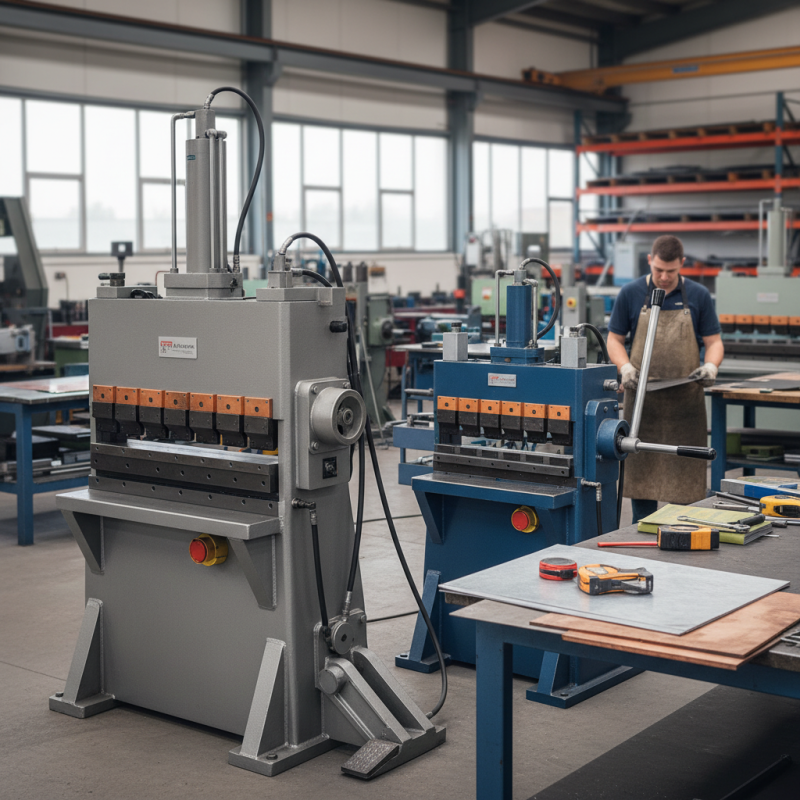
Choosing the right pan brake for metalworking is crucial for achieving precise bends. Multiple factors come into play when making this decision. One key aspect is the material you are working with. Different metals can require various bending capacities. The thickness of the material also influences your choice. Thicker sheets need more powerful machines.
Another consideration is the size of the brake. Larger projects may require a bigger pan brake for efficiency. Be aware that portability might also matter. A stationary machine is often more powerful, but a smaller, mobile brake can be beneficial for smaller workshops.
Do not overlook the technical features. Look for adjustable bending angles or digital controls. These can enhance your work quality. However, some advanced features may complicate operations. If you are a beginner, go for simpler options first. Learning curves differ for everyone, and starting with an intuitive machine can foster confidence. Always reflect on your needs and working style to make the best choice.
How to Choose the Right Pan and Box Brake for Your Needs?
| Factor |
Description |
Importance Level |
| Material Type |
Consider whether you will be bending mild steel, aluminum, or stainless steel. |
High |
| Thickness Capacity |
Determine the thickness of material that can be handled by the brake. |
High |
| Length of Brake |
Evaluate the maximum length of the material you need to bend. |
Medium |
| Type of Bending |
Decide between vertical or horizontal bending, as each has different usages. |
Medium |
| Mobility |
Consider if you need a stationary or portable brake for your workspace. |
Low |
| Budget |
Set a budget range to narrow down options that fit your financial needs. |
High |
Understanding Different Types of Box Brakes and Their Applications
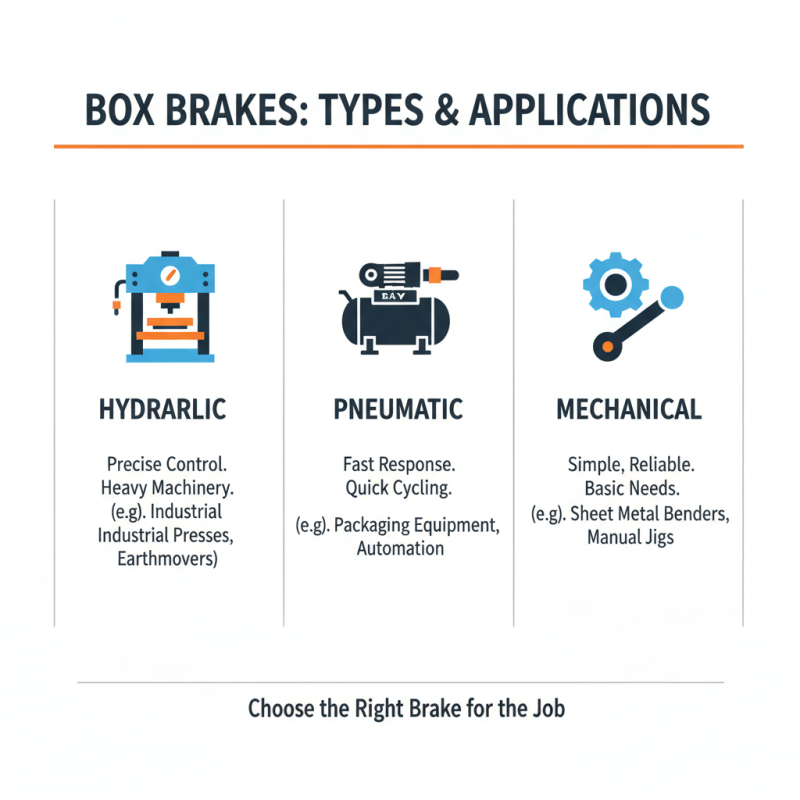
Box brakes come in various types, each suited for specific applications. Understanding these differences helps you make an informed choice. Common types include hydraulic, pneumatic, and mechanical box brakes. Hydraulic brakes offer precise control, making them ideal for heavy machinery. Pneumatic brakes are beneficial in environments requiring quick response times, while mechanical brakes are straightforward and reliable for basic needs.
When selecting a box brake, consider the specific demands of your application. For instance, in construction, hydraulic brakes may handle heavy loads more effectively. In contrast, pneumatic options suit tasks where speed is crucial. Evaluate factors like environmental conditions and maintenance requirements. Not every brake fits every task—what works for one may not be effective for another.
A crucial point to reflect on is the balance between performance and cost. More expensive models offer advanced features, but may not always be necessary. Sometimes, simpler solutions perform adequately without the extra cost. Assess your operational needs carefully. A misstep could lead to inefficiency or safety hazards. Understanding the nuances of each type helps avoid common pitfalls in brake selection.
Material Thickness and Weight Capacity for Optimal Brake Selection
When selecting the right pan and box brake, understanding material thickness and weight capacity is crucial. Reports indicate that most industrial applications prefer metal sheets ranging from 1 to 10 mm in thickness. This range ensures sufficient strength while allowing for precise bends. A heavier gauge can provide added durability but may limit operational versatility.
Weight capacity is another key factor. For instance, box brakes typically support loads from 250 to 5000 pounds. Choosing a brake with too low a weight capacity can lead to equipment failure. It's essential to analyze the specific needs of your projects before making a decision. Consider the frequency and type of materials you will work with, as this impacts both safety and performance.
Some operators fail to account for the intricacies of various materials, leading to inefficient practices. Steel requires different handling than aluminum or composite materials. Many overlook the importance of adjusting settings based on material type. Gaining proficiency in these nuances is beneficial and can greatly influence productivity outcomes in a manufacturing environment.
Brake Selection Based on Material Thickness and Weight Capacity
Performance Metrics: Speed, Precision, and Consistency in Panel Bending
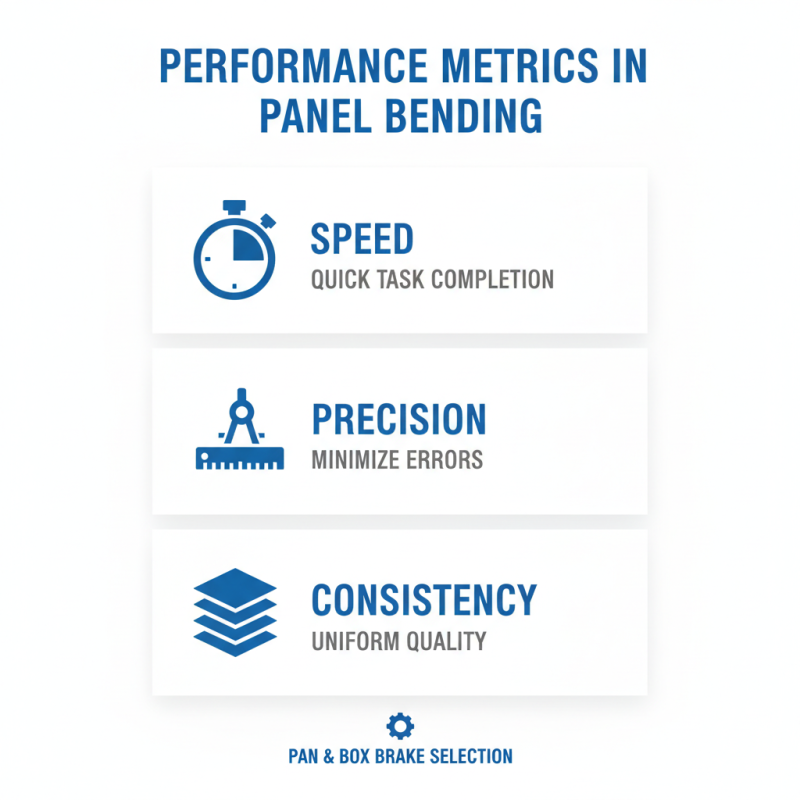
When selecting a pan and box brake, it's crucial to focus on performance metrics. Speed, precision, and consistency impact your bending projects. Speed determines how quickly you can complete tasks. If your machine is too slow, it may hinder productivity. Precision is vital. Even minor discrepancies can lead to significant errors in completed products. Consistency ensures that every panel meets your quality standards, reducing waste and rework.
**Tips:** Before purchasing, assess your production volume. A higher volume may require advanced features that boost speed and precision. Regular maintenance is essential. A well-maintained brake performs better, ensuring consistency.
Investing time in training is just as important. Operators must understand the machine's capabilities and limits. They should know how to troubleshoot common issues. Frequent errors may arise due to user oversight rather than equipment flaws. Collect feedback from your team. Listening to their experiences helps identify areas for improvement.
Cost Analysis: Budgeting for Quality in Pan and Box Brake Investments
When investing in pan and box brakes, understanding costs is crucial. Quality often means higher prices, but cheap options can lead to long-term issues. Analyzing your budget effectively can help prevent overspending while ensuring you get the best for your needs.
Calculate initial costs, but also consider maintenance and operating expenses. Seek out brake systems that offer durability. A high-quality brake may cost more upfront, but may save money on repairs later. Weigh each option with care. Sometimes, a lower-quality unit may seem appealing, but it could lead to greater frustrations down the road.
Factor in the intended use. Will the brake handle heavy loads or delicate tasks? This drastically influences your choice. Research is essential. Speak with experts or industry peers. Their insights may highlight hidden costs in equipment. Investing wisely means looking beyond price tags and assessing overall value.