How to Use a Surface Grinder Machine Effectively?
Effective use of a Surface Grinder Machine can enhance precision in machining. According to John Smith, an industry expert, "Mastering the Surface Grinder is essential for fine finishes." His words highlight the importance of understanding this equipment.
Working with a Surface Grinder Machine requires specific skills. Operators must ensure the workpiece is properly secured. A loose piece can lead to inaccuracies and wasted materials. It's essential to examine the grinding wheel regularly for wear. A worn wheel cannot deliver the desired finish.
Additionally, many users overlook the importance of coolant. Coolants aid in preventing overheating and improving surface quality. Failing to use it can lead to damage. Every operator should reflect on their approach to using the Surface Grinder. Continuous learning and adjustment can lead to better results.
Understanding the Basics of Surface Grinding Machines
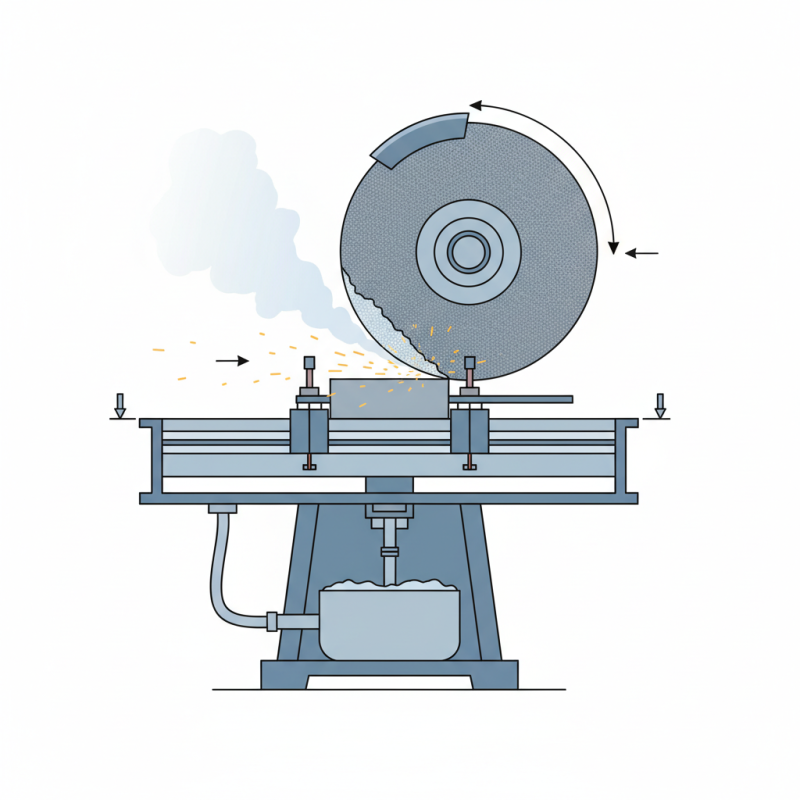
Surface grinding machines are essential tools in manufacturing. They create flat and smooth surfaces on metal parts. Understanding their basics is crucial for effective use. A typical surface grinder has a wheel that spins and removes material. This wheel can be made from various abrasives. They vary in grit size and hardness.
According to a report by Grand View Research, the surface grinding machine market was valued at approximately $1.5 billion in 2020. It is expected to grow significantly. However, operators often underestimate the importance of wheel selection. Choosing the wrong wheel can lead to poor results. Precision is key. If the wheel is too coarse, it can create a rough finish. Conversely, a wheel that is too fine may not remove enough material.
Many users overlook the importance of machine maintenance. Regular checks help maintain precision and prevent accidents. An uncalibrated machine can lead to uneven grinding. This reduces the lifespan of both the tool and the workpiece. Operators must also ensure their setups are correct. A misaligned workpiece can result in excessive wear on the grinding wheel. It's critical to be proactive about these details for the best outcomes.
Surface Grinding Machine Usage Data
Essential Safety Precautions When Operating Surface Grinders
Operating a surface grinder requires careful attention to safety. Always wear appropriate personal protective equipment. This includes safety glasses, gloves, and hearing protection. These items keep you safe from debris and noise that can harm you while you work.
Before starting the machine, inspect it thoroughly. Ensure that all safety guards are in place. Check the grinding wheel for cracks or damage. A damaged wheel can lead to serious accidents. Tips for maintenance include regular cleaning and lubrication of all moving parts. This one small step can prolong equipment life.
Stay focused when working. Distractions can have dire consequences. A sudden lapse in attention may cause you to lose control. Keep your workspace organized to reduce the chances of accidents. Avoid wearing loose clothing, as it can get caught in the machine. Mindfulness is key in ensuring safety and efficiency.
How to Use a Surface Grinder Machine Effectively? - Essential Safety Precautions When Operating Surface Grinders
| Safety Precaution |
Description |
Importance |
| Personal Protective Equipment (PPE) |
Wear safety goggles, gloves, and hearing protection. |
Protects against debris and noise. |
| Machine Inspection |
Check machine condition before use. |
Ensures equipment is safe and operational. |
| Proper Setup |
Ensure correct workpiece clamping and alignment. |
Prevents accidents and improves machining accuracy. |
| Emergency Procedures |
Know the location of the emergency stop button. |
Quick response in case of accidents. |
| Coolant Use |
Use appropriate coolant to reduce heat. |
Prevents workpiece damage and extends tool life. |
| Work Area Cleanliness |
Keep the workspace tidy and free of obstructions. |
Reduces risk of slips and falls. |
Step-by-Step Guide to Setting Up a Surface Grinder
Setting up a surface grinder machine requires careful attention to detail. Begin by choosing a stable, level surface for the grinder. Ensure the area is clean to prevent contamination of your workpieces. Check the power supply to make sure it meets the machine's requirements. Proper setup is crucial for effective grinding and accuracy.
Next, mount the grinding wheel correctly. Use a proper wrench to secure it tightly. An improperly installed wheel can lead to vibrations and poor quality results. Align the workpiece securely on the magnetic chuck. Avoid excessive force, as it can cause inaccuracies or damage. Remember, sometimes things don’t align perfectly, and adjustments are necessary.
Tips: Always wear safety gear when operating the machine. It protects you from flying particles. Conduct a test run with a scrap piece before starting on actual workpieces. This helps check your setup without risking valuable materials. If you encounter issues, take a step back. Reflect on your process and identify where improvements can be made.
Techniques for Achieving Precision in Surface Grinding
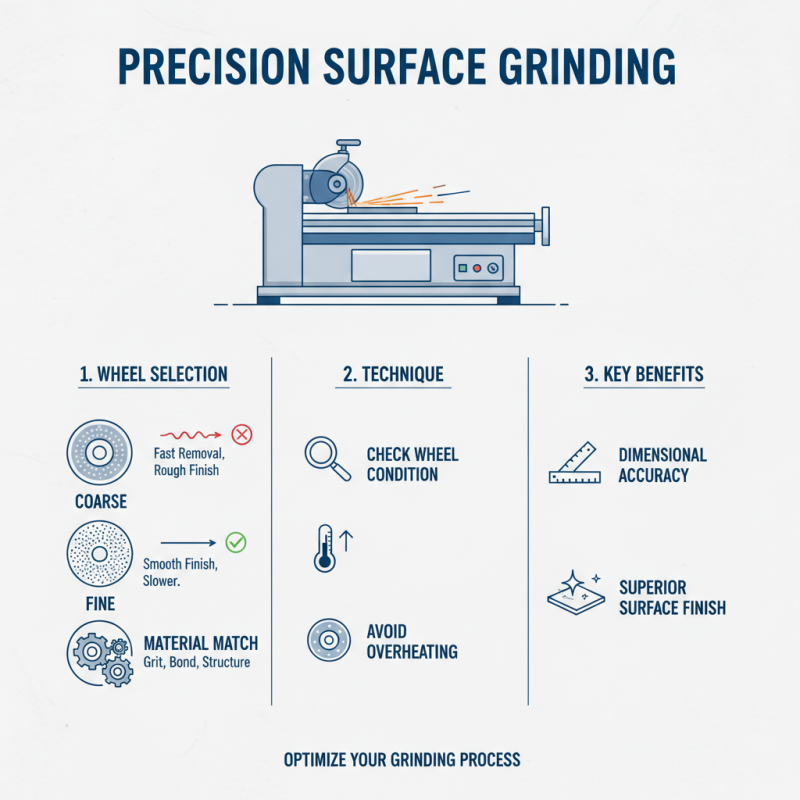
Precision in surface grinding requires careful technique and attention to detail. Selecting the right grinding wheel is crucial. The wheel's grit, bond, and structure must match the material being ground. Too coarse a wheel might remove material quickly but can lead to a rough finish. Conversely, using a wheel that is too fine may cause overheating and prolong the grinding process. Always check the wheel condition before starting.
Maintaining proper machine settings is equally important. Adjusting the table feed rate affects the finish. A slow feed rate often results in a smoother surface. However, it can also increase the risk of wheel loading. Pay close attention to the coolant application as well; inadequate lubrication can lead to burning, which affects precision. After grinding, inspect the workpieces carefully. Look for any signs of uneven wear or unexpected surface defects. It's not uncommon to discover that corners were missed or that an uneven finish remains. Such oversights are learning opportunities for future projects.
Common Issues and Troubleshooting Tips for Surface Grinders
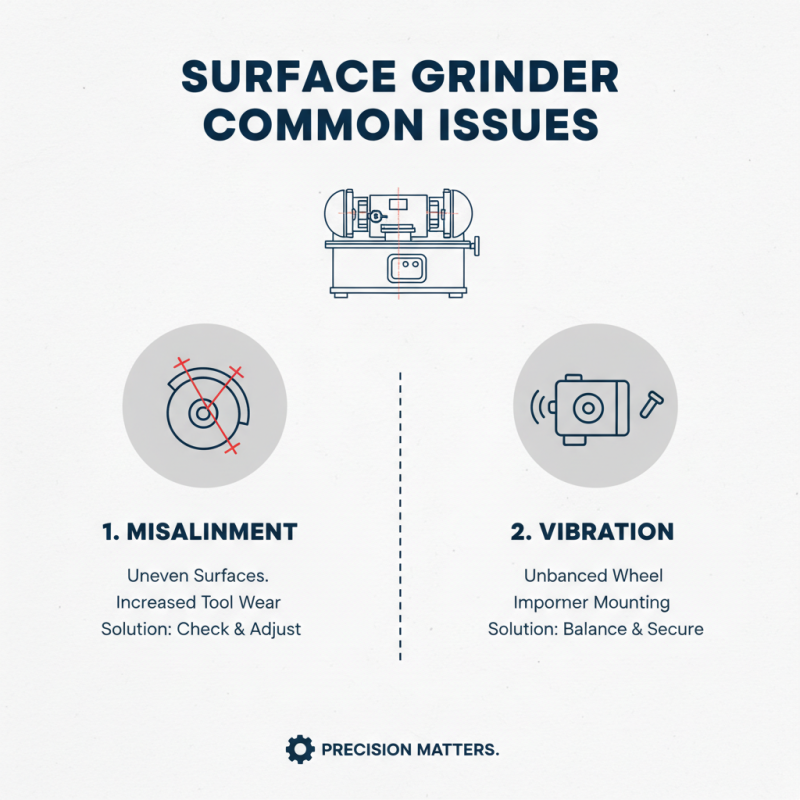
Surface grinders are essential for achieving precise finishes on metal parts. However, users often encounter common issues that can affect performance. According to the Precision Machined Products Association, proper alignment of the grinding wheel is crucial. Misalignment can lead to uneven surfaces and increased wear on the tool. Regularly checking the wheel's condition can prevent these problems. Vibration during operation often signals an underlying issue, such as an unbalanced wheel or improper mounting. Addressing this quickly can save time and improve outcomes.
Another frequent challenge is achieving the desired material removal rate. Analysis from the American Society of Mechanical Engineers indicates that a rate too high can heat the material excessively, resulting in warping. Monitoring the in-feed speed and depth of cut helps maintain optimal performance. Operators should regularly inspect coolant systems. Insufficient lubrication can lead to overheating and increased tool wear. Ensure the coolant is clean and at the right level.
Lastly, operators sometimes overlook maintenance schedules. The Machinery Maintenance Survey revealed that 30% of businesses reported decreased machine life due to neglect. Regular audits of equipment are necessary for longevity. Keeping spare parts on hand reduces downtime as well. Improving awareness of these details leads to better surface grinder efficiency.