What is a Milling Drilling Machine and How Does it Work?
The Milling Drilling Machine has become a staple in the manufacturing industry. This machine combines two vital operations: milling and drilling. According to a recent market report, the global milling machine market size is expected to reach over $100 billion by 2025. This growth can be attributed to the increasing demand for precision engineering and complex parts manufacturing.
With its dual functionality, the Milling Drilling Machine enhances productivity and efficiency. The versatility of this equipment allows manufacturers to work on a wide range of materials. A report from the International Federation of Robotics highlighted that integrating advanced milling drilling technology can boost production rates by up to 30%. However, proper training and knowledge are essential for optimal use. Misuse can lead to machinery damage and safety hazards.
The effectiveness of a Milling Drilling Machine lies in its design. Many users overlook the importance of regular maintenance. Neglecting this can result in decreased accuracy and increased downtime. Hence, understanding how to operate and maintain this machine is crucial for anyone involved in manufacturing processes.
What is a Milling Drilling Machine?
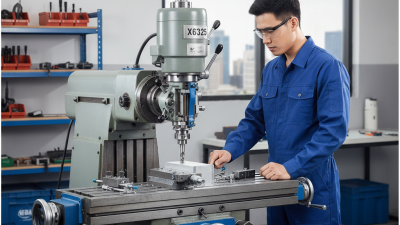
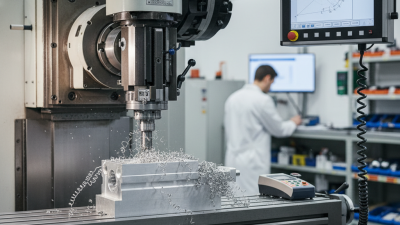
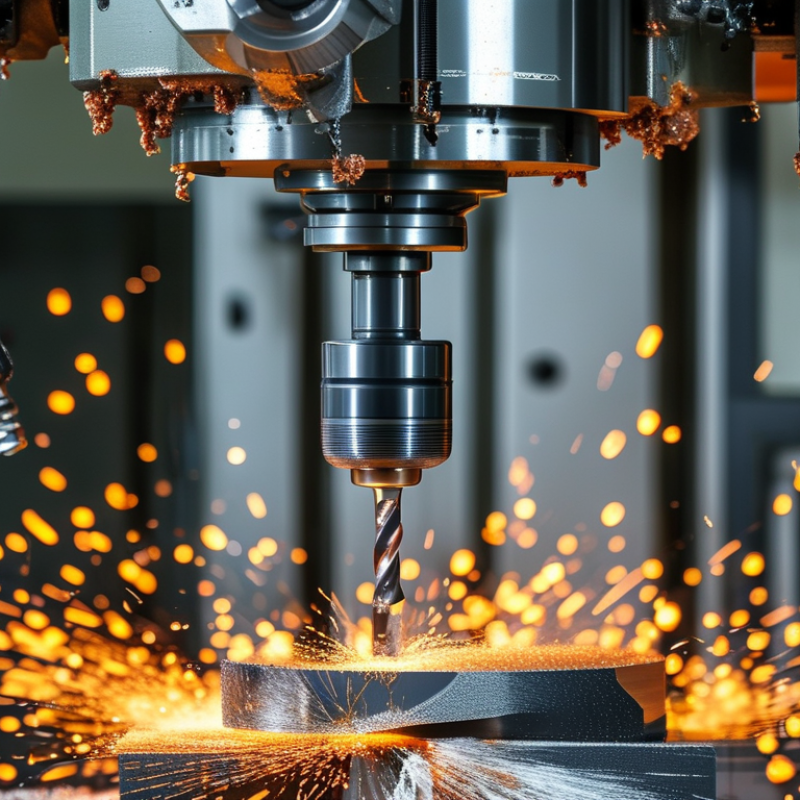
A milling drilling machine combines both milling and drilling functions. This versatile tool is essential in many manufacturing settings. It allows for creating complex shapes and precise holes in various materials.
Typically, these machines feature a horizontal spindle for milling and a vertical spindle for drilling.
Industry reports indicate that the machinery market is expected to grow significantly in the next few years. A recent survey found that 30% of manufacturers emphasize the need for versatile equipment. This trend shows that milling drilling machines are becoming integral to efficient production lines. Operators can use this machine to save time and enhance productivity.
Tips: Regular maintenance is essential. This can prolong the machine's lifespan and prevent unexpected breakdowns. Remember, improper use can lead to errors and wasted materials. Take the time to understand the machine’s functions to avoid costly mistakes. Observing safety protocols is equally important to ensure a safe working environment.
Key Components of a Milling Drilling Machine
Milling drilling machines are versatile tools used in various industries. These machines combine milling and drilling functionalities, making them valuable for precision machining. Understanding their key components helps to grasp how they operate.
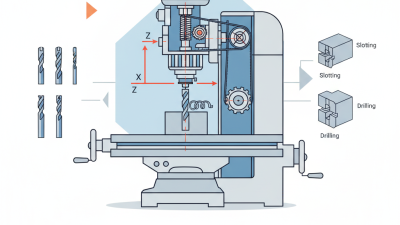
The primary component of a milling drilling machine is the spindle. It holds the cutting tool and rotates at high speeds. Reports indicate that modern spindles can reach up to 20,000 RPM. This speed results in efficient material removal and fine finishes. Another vital component is the worktable, where materials are secured.
Adjustable worktables allow users to accurately position their workpieces for optimal machining results.
Additionally, the feed mechanism plays a crucial role. It controls the movement of the cutting tool in multiple directions. This mechanism can be manual or power-driven. Research shows that power feeds enhance productivity by up to 50%. However, improper calibration can lead to inaccuracies in machining. Selecting the right components and ensuring their proper functioning are essential for achieving high-quality results in milling and drilling operations.
Operating Principles of Milling Drilling Machines
Milling drilling machines are versatile tools used in many manufacturing and fabrication processes. They combine the functions of milling and drilling, offering both precision cutting and hole creation. The operating principles behind these machines involve rotating a cutting tool while moving the workpiece. This allows for effective material removal, either through circular motion for milling or linear progression for drilling.
The milling process typically utilizes a rotating cutter that removes material from the workpiece as it advances. A key aspect is the controlled feed rate, allowing for consistent results. Drilling, on the other hand, uses a fixed cutting tool that penetrates the workpiece to create holes. Proper alignment and speed settings are crucial for ensuring accuracy during operations.
Tips: Always ensure your workpiece is secured tightly. Loose materials can lead to inaccurate cuts and potential safety hazards. Regular maintenance of the machine is vital. This ensures that all moving parts are functioning smoothly and reduces the risk of costly repairs.
Attention to detail can make a big difference. Even slight misalignments during setup can lead to significant errors. It's essential to double-check measurements and settings before starting a project. Continuous learning about the machine's capabilities enhances performance and precision.
Applications of Milling Drilling Machines in Industry
Milling drilling machines play a vital role in various industries. They combine milling and drilling functions into one compact unit. This versatility makes them invaluable for precision engineering. According to a report by Global Market Insights, the milling machine market is projected to surpass $80 billion by 2026. This growth highlights their expanding application in manufacturing.
In the automotive sector, these machines enhance production efficiency. Tasks such as creating complex parts are streamlined. Data shows that using milling drilling machines can reduce machining time by up to 40%. Such improvements can significantly lower operational costs. However, operators must be well-trained to achieve optimal results. Misalignment during operation can lead to costly errors.
Moreover, in the aerospace industry, these machines produce intricate components critical for aircraft safety. The demand for precise, lightweight parts continues to rise. Industry reports suggest that aerospace manufacturers will increasingly rely on milling drilling machines. Still, there is a need for regular machine maintenance to ensure accuracy and reliability. Failing to address wear and tear can compromise production quality.
Maintenance Tips for Optimal Milling Drilling Performance
Proper maintenance of a milling drilling machine is essential for its longevity and performance.
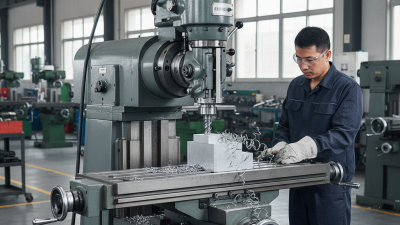
Regular cleaning is crucial. Debris and chips can accumulate, affecting precision.
After each use, wipe down the machine. Pay extra attention to the feed mechanisms and cutting tools.
This can prevent buildup that could hinder operation.
Check lubrication levels frequently.
Using the right lubricant enhances performance. Inspect the belts and pulleys as well.
Cracked or worn components can lead to serious issues.
Replace them immediately to avoid downtime. Users often overlook these details, but they drastically affect output quality.
Adjustments to alignments should be part of your routine.
Misalignment can cause excessive wear and unnecessary noise.
A slight deviation can ruin a project. Familiarize yourself with the machine's manual for optimal settings.
Regularly recalibrating your machine can save time and resources.
Unexpected breakdowns happen to everyone; learning from these experiences is key.