2026 How to Optimize Press Brake Performance for Better Fabrication Results?
In the realm of metal fabrication, the press brake remains a pivotal machine. According to recent industry reports, manufacturers can experience a 30% increase in efficiency through optimized press brake performance. This optimization leads to better accuracy and reduced material waste, which are crucial in today’s competitive market.
However, achieving optimal press brake performance often presents challenges. Many operators face issues such as tool wear and alignment complications. These problems can cause delays in production and quality inconsistencies. Investment in training and technology is key. Yet, many workshops overlook these aspects, focusing solely on cost-cutting measures.
Furthermore, the importance of regular maintenance cannot be understated. Failing to regularly service press brakes can lead to unexpected breakdowns. This downtime translates to significant financial losses and affects delivery times. As the industry pushes for faster turnaround and higher quality, revisiting press brake strategies is critical for sustained success.
Understanding Press Brake Fundamentals for Enhanced Performance
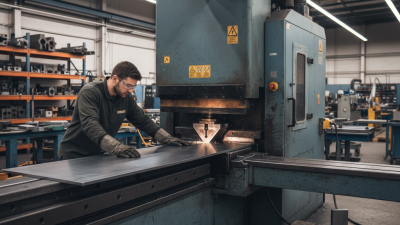
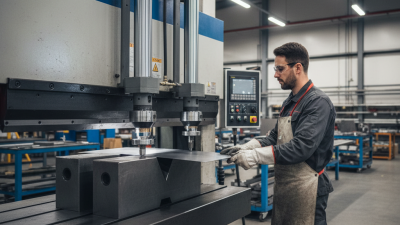
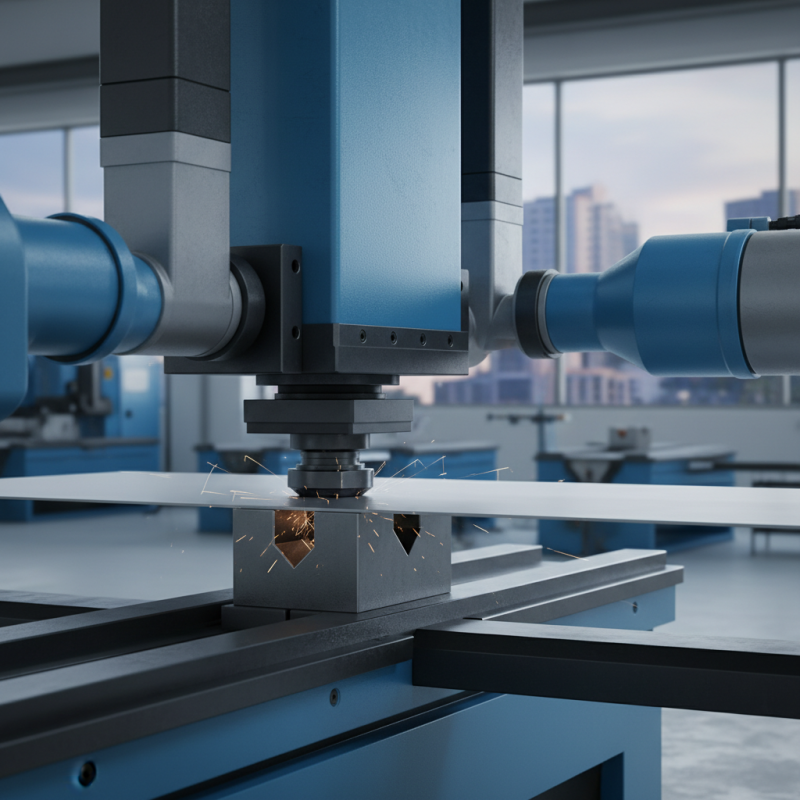
Understanding press brake fundamentals is crucial for enhanced performance. A press brake is a powerful tool used in metal fabrication. It bends sheet metal into different shapes. Knowing how it works can improve outcomes significantly. For instance, mastering the controls can lead to precise bends. Operators must understand the importance of tool setup. Proper alignment affects the quality of the finished product.
While pressing, one must pay attention to material types. Different metals behave uniquely under pressure. Some may require specific die setups. If not? You might get inconsistent results. Identifying the correct parameters is essential. Overlooking this can lead to wasted materials and time. Regular maintenance of the machine also cannot be ignored. A simple cleaning can prevent many issues. However, some operators forget this step, which results in decreased efficiency.
Training and experience play significant roles. New operators may struggle initially. They might miss subtle cues during operation. Continuous learning is necessary to overcome these challenges. Mistakes are part of the process. Reflecting on them can lead to improved skills. Understanding press brake fundamentals isn’t just about knowing the machine. It also involves learning from every bend and every mistake.
Optimizing Press Brake Performance: Fabrication Results
This chart illustrates the impact of various parameters on the performance efficiency of press brakes. Optimizing these factors is crucial for enhancing overall fabrication results.
Factors Affecting Press Brake Efficiency and Fabrication Quality
Press brakes are essential for metal fabrication. Their efficiency directly affects the quality of the final product. Several factors impact press brake performance, ranging from machine setup to operator skill. A well-calibrated machine can make a significant difference. However, even the best machines can encounter issues.
One major factor is the tooling. The right die and punch selection can improve precision. Using worn-out tools can lead to errors, affecting the final dimensions. Operators must frequently inspect tools for wear. Yet, operators may overlook this in fast-paced environments. This oversight can result in costly mistakes and wasted materials.
Material properties also play a vital role. Variations in thickness or hardness can change bending results. Observing the material’s characteristics is crucial for accurate fabrication. In some cases, the material may not perform as expected. It’s essential to adapt bending strategies to align with material behavior. Operators often need to reflect on these aspects to enhance their techniques.
Techniques to Optimize Tooling and Die Setup
Optimizing tooling and die setup is crucial for enhancing press brake performance. Proper alignment of tools can significantly affect the accuracy and quality of fabricated parts. Ensuring both the upper and lower dies are correctly positioned minimizes the risk of unnecessary wear and improves the consistency of bends.
Tip: Regularly inspect tooling for wear or damage. A worn tool can lead to errors in bending, which may not be immediately visible. This can affect production quality in the long run.
Choosing the right die design is equally essential. Different materials and thicknesses require specific die profiles for best results. The wrong die can lead to inefficient bending and excessive scrap material. It’s valuable to reevaluate your tooling choices every few months.
Tip: Keep a log of tooling usage and performance. This can help identify patterns and shed light on necessary adjustments. A constant assessment may reveal that your current setup isn't performing as expected. Don’t hesitate to revisit your initial decisions.
2026 How to Optimize Press Brake Performance for Better Fabrication Results? - Techniques to Optimize Tooling and Die Setup
| Technique |
Description |
Expected Performance Improvement (%) |
Implementation Difficulty (1-5) |
| Tooling Alignment |
Ensure proper alignment of tools to minimize errors and improve repeatability. |
15% |
3 |
| Die Selection |
Choose appropriate dies for the specific material and thickness being used. |
25% |
2 |
| Material Preparation |
Pre-treat materials to reduce slag and ensure clean cuts. |
20% |
4 |
| Regular Maintenance |
Implement a scheduled maintenance program for the press brake. |
30% |
2 |
| Operator Training |
Invest in training programs for operators to enhance their skills. |
20% |
3 |
Implementing Maintenance Practices for Longevity and Precision
Maintaining a press brake is essential for precision and longevity. Regular maintenance practices ensure that the equipment operates at peak performance. Scheduled inspections should include checking the hydraulic system for leaks. Worn-out seals can lead to inconsistent pressure, affecting the quality of the finished product.
Lubrication must not be overlooked. A well-lubricated machine reduces friction and wear. Operators should be trained to feel for unusual resistance or noises. These can be indicators that something is amiss. Neglecting these signs can result in costly repairs and downtime.
Furthermore, proper storage of tools is crucial. Misplaced tools can lead to accidents or damaged equipment. Establishing a consistent organization system aids in maintaining an efficient workspace. Reflecting on daily practices can help identify areas for improvement. It’s easy to overlook small details, but they have a big impact. Attention to these aspects can make a significant difference in fabrication results.
Utilizing Technology for Real-Time Monitoring and Adjustments
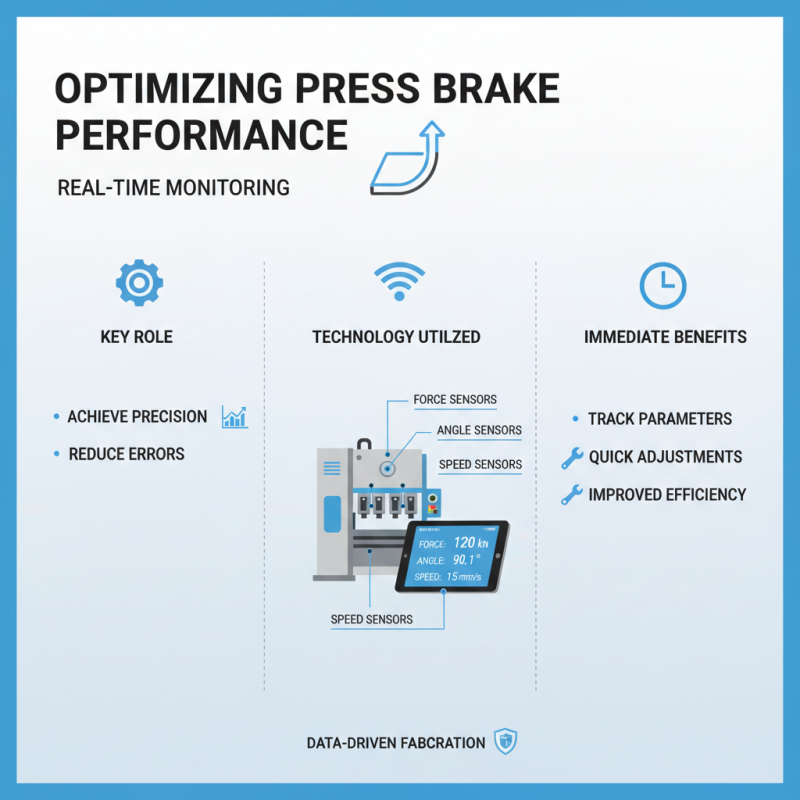
In modern fabrication, optimizing press brake performance is crucial. Real-time monitoring plays a key role in achieving this. By utilizing technology, operators can track critical parameters during the bending process. Sensors can measure force, angle, and speed instantly. This information is vital for making quick adjustments.
Technology also allows for remote monitoring. Operators can keep an eye on multiple machines from a single location. This creates opportunities for faster response times. However, it requires a level of skill to interpret the data correctly. Misreading the indicators can lead to errors.
Implementing these systems can be challenging. Not every shop is equipped for such upgrades. Training staff to understand new technologies is essential. Some may resist these changes, fearing complexity. Yet, embracing real-time technology can unlock better fabrication results. Performance issues can be addressed before they escalate. The journey may be imperfect, but the potential for improvement is undeniable.