What is Press Brake and How Does It Work for Buyers?
The "Press Brake" is a vital machine in metalworking. This tool bends metal sheets into desired shapes with precision. According to a 2022 report by the Machinery Manufacturers Association, the global press brake market is expected to grow by 5.5% annually. Professionals rely on these machines for efficiency and accuracy.
Expert Jack Thompson, a renowned figure in the industry, states, "The press brake is not just a tool; it's an enabler for innovation in metal fabrication." His insight highlights the importance of understanding this machinery for buyers seeking quality solutions. Many buyers overlook the technical aspects. Some may rush through assessments, leading to inefficiencies later.
Choosing the right press brake requires attention to detail. Features like tonnage and length are crucial. Additionally, accommodating specific needs is essential, yet many clients underestimate their long-term requirements. Every purchase is a commitment to quality, affecting overall project outcomes.
Understanding the Basics of Press Brakes: Definition and Purpose
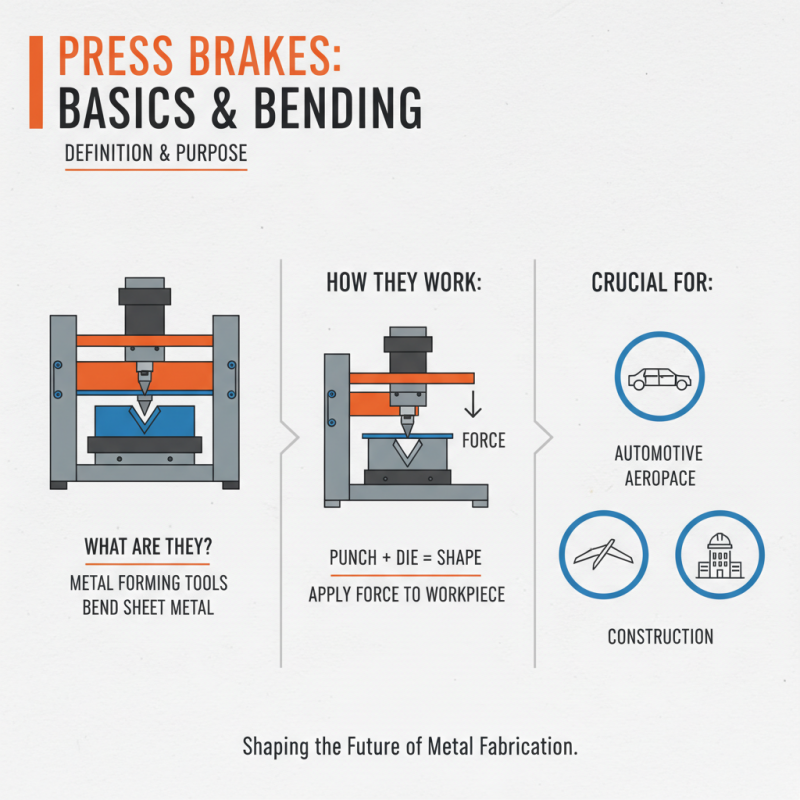
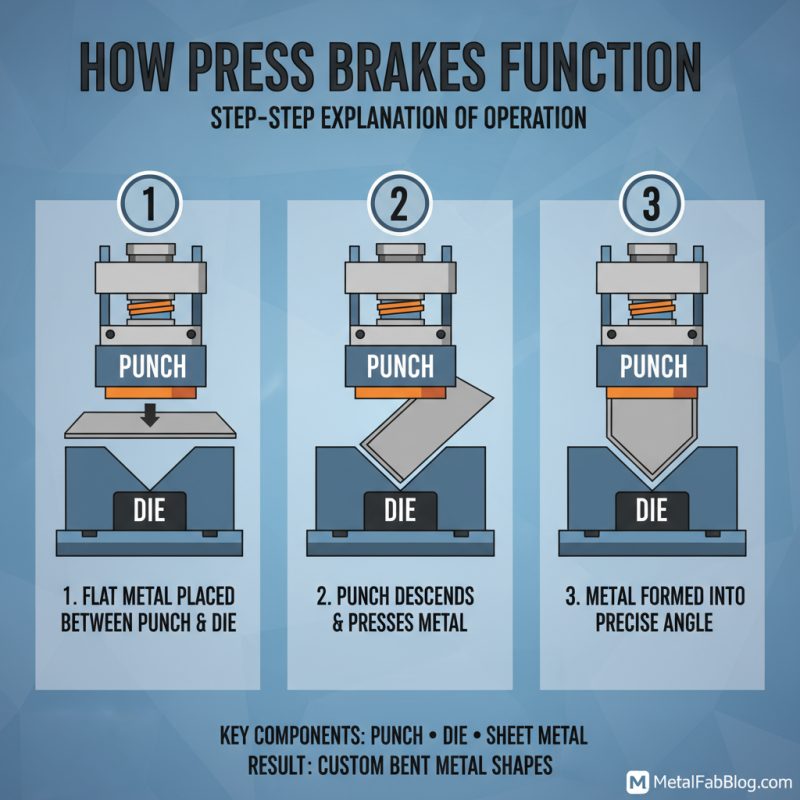
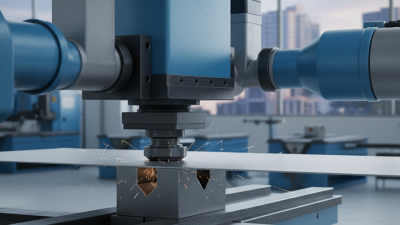
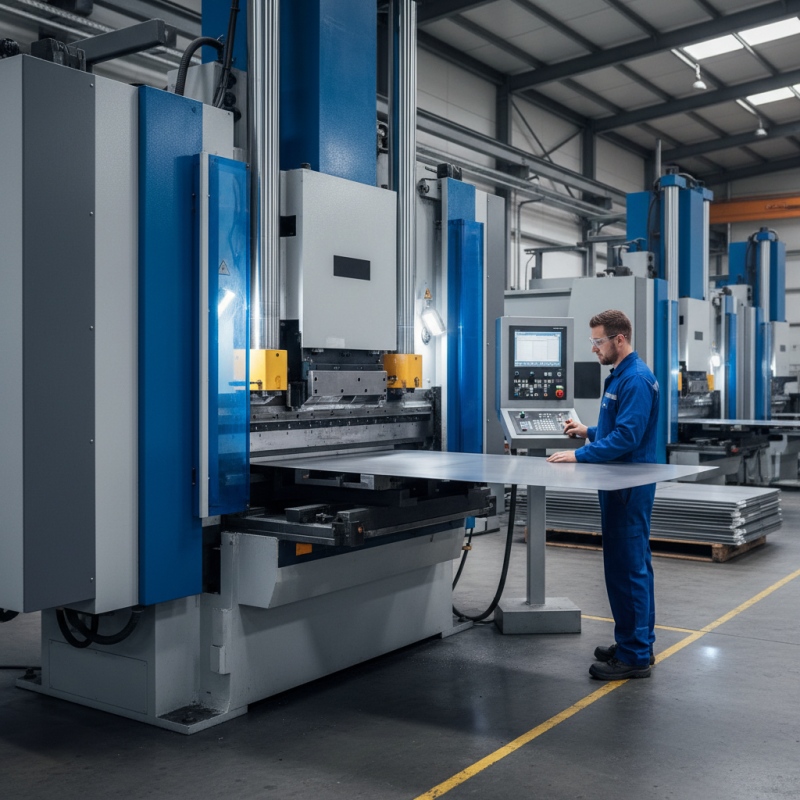
Press brakes are essential tools in metal forming. They bend sheet metal into desired shapes. They work by applying force to a workpiece between a punch and a die. This process is crucial in various industries, including automotive, aerospace, and construction.
According to a recent report, the global press brake market is projected to grow significantly. The expected CAGR is around 5% from 2022 to 2028. This growth reflects the rising demand for metal fabrication. Customization is vital. Many manufacturers seek precise bending solutions tailored to their needs.
However, buyers often overlook maintenance and training. Both are crucial for optimal performance. A poorly maintained press brake can result in costly errors. Additionally, operators require proper training to understand the machine's capabilities. Knowing the limitations and strengths of a press brake can improve efficiency. Investing in employee education can lead to better productivity and lower operational risks. The right approach is essential for maximizing the benefits of this crucial equipment.
Key Components of a Press Brake: An Overview of Main Parts
Press brakes are essential tools in metal fabrication. They bend metal sheets with precision. Understanding their key components helps buyers make informed decisions.
The main parts of a press brake include the frame, ram, and die. The frame offers the structural support needed for operation. It ensures stability during bending operations. The ram is the moving part that applies force to the metal. Its precise movement is crucial for accurate bends. The die shapes the metal according to the desired angle and form. Different die shapes cater to various bending requirements.
Another important aspect to consider is the control system. Modern press brakes often use digital controls for precision. However, the learning curve can be steep. Users may face issues in calibrating or programming the system. Maintenance is also critical. Regular checks can prevent breakdowns and enhance performance. Understanding these components helps in choosing the right press brake for specific needs. Each part plays a role in achieving the desired outcome. Buyers should reflect on their requirements before making a purchase.
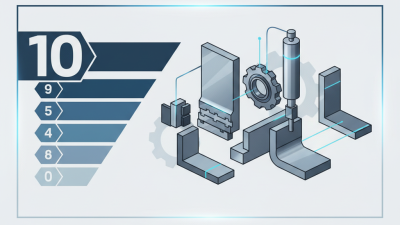
Press Brake Components Overview
This chart illustrates the relative importance rating of the key components of a press brake, indicating how essential each part is in the functionality and operation of the machine.
Choosing the Right Press Brake: Factors to Consider for Buyers
When selecting a press brake, buyers face several crucial factors. Understanding the right specifications is essential for achieving precision and efficiency. Key considerations include tonnage, bending length, and the type of materials you will work with. According to a recent industry report, nearly 70% of manufacturers experience issues due to inappropriate tonnage selection.
Investing in the right technology goes beyond features. Buyers should evaluate the control system as well. Advanced CNC systems enhance accuracy and reduce setup times. Data suggests that machines with advanced controls increase productivity by up to 30%. However, some may overlook training needs for these systems, leading to underutilization.
Tip: Assess your current and future production needs. Accurately predicting your workload can prevent costly mistakes.
Another aspect to ponder is the machine's footprint. Space constraints can significantly impact shop layout. Consider how mobility features or compact designs can help. Overly large machines may also compromise your workflow, causing inefficiencies.
Tip: Regularly review your operational setup. Small adjustments can lead to major improvements in efficiency. Understanding these details is vital for informed decision-making.
Safety Measures and Best Practices When Using a Press Brake
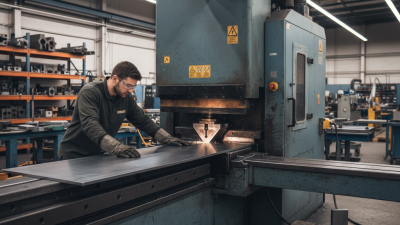
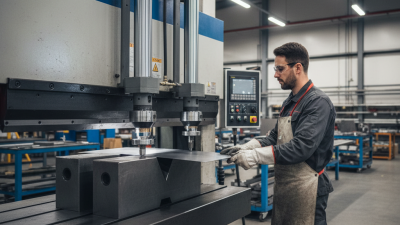
When using a press brake, safety is paramount. Always wear appropriate personal protective equipment. This includes gloves, safety glasses, and steel-toed boots. These items safeguard against potential injuries from heavy machinery. Proper hand placement is crucial. Workers should keep their hands away from the die and the bending area. Clearly mark no-go zones to help everyone stay safe.
Regular maintenance is also essential. Ensure that the machine is in good condition before operating it. A worn tool can cause unexpected failures. Operators must be well-trained. Understanding the press brake's functionalities minimizes risks. There’s no room for shortcuts in safety protocols. Always follow the manufacturer’s guidelines closely. Engage in regular safety drills to keep everyone refreshed on procedures.
Be prepared for unexpected events. While machines are engineered for efficiency, they can exhibit quirks. It’s wise to have emergency protocols in place. Encourage team members to voice concerns if something feels off. Reflecting on past incidents can foster a safer environment. Continuous improvement is vital. Keeping safety as a priority ensures a more productive workplace.
What is Press Brake and How Does It Work for Buyers? - Safety Measures and Best Practices When Using a Press Brake
| Dimension |
Specification |
Safety Measure |
Best Practice |
| Bending Force |
100 - 1000 Tons |
Always wear appropriate PPE. |
Conduct pre-operation checks. |
| Working Length |
Up to 4 meters |
Use machine guards and safety devices. |
Keep work area clean and organized. |
| Material Thickness |
0.5 - 20 mm |
Train operators on safe practices. |
Use correct tooling for material type. |
| Types of Materials |
Aluminum, Steel, Brass |
Inspect machine regularly. |
Document all maintenance tasks. |
| Control System |
CNC or Manual |
Never bypass safety features. |
Follow manufacturer's setup procedures. |