Top 10 Drilling Machines for Every DIY Enthusiast and Professional?
For every DIY enthusiast and professional, the right drilling machine is essential. These machines come in various types and features, catering to diverse needs. Whether you are a seasoned expert or a weekend warrior, having a reliable drilling machine can significantly enhance your projects.
In this guide, we explore the top 10 drilling machines available today. Each option is handpicked based on performance, durability, and user feedback. We aim to highlight machines that stand out in terms of reliability and ease of use. Even the best may have some drawbacks. That’s worth considering before making a purchase.
When choosing a drilling machine, think about the tasks you plan to tackle. Different machines suit different purposes. Some may excel in specific applications but fall short in others. Understanding these unique aspects is crucial. Ultimately, we hope this list can guide you toward the drilling machine that fits your needs, helping you create projects with confidence.
Understanding Different Types of Drilling Machines and Their Uses
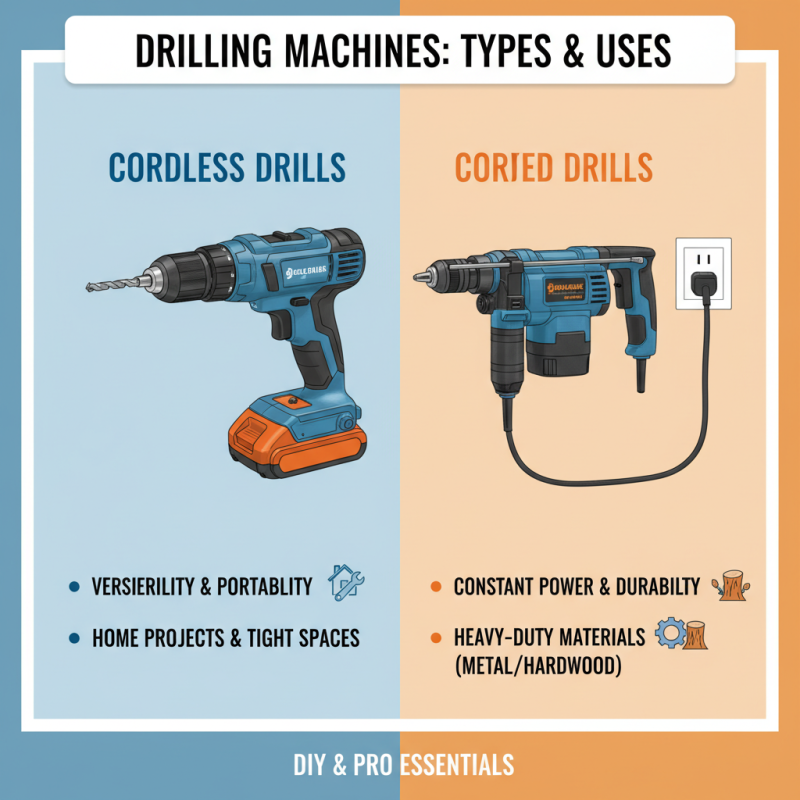
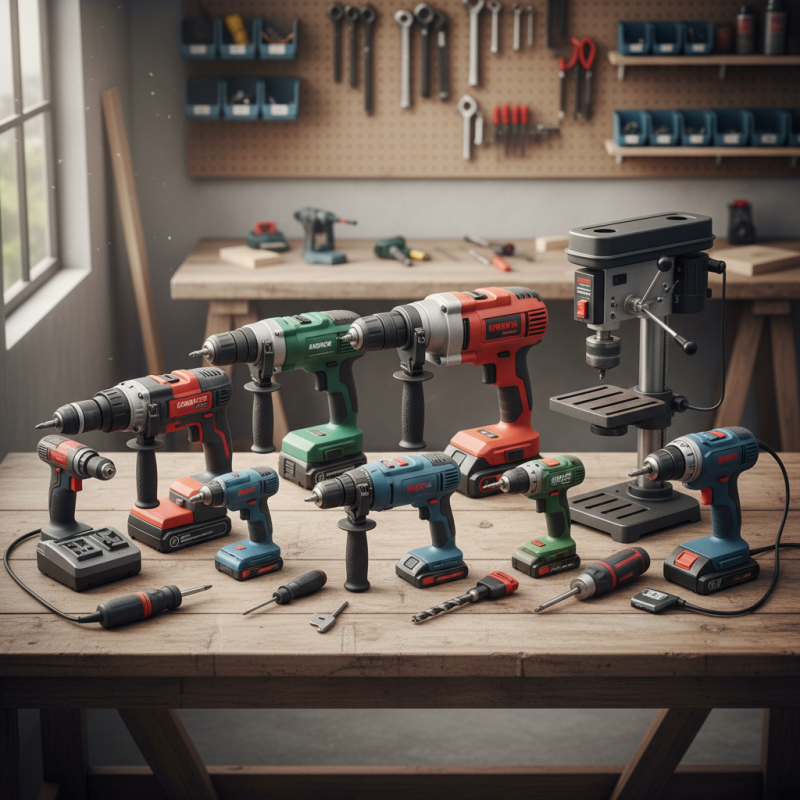
When it comes to drilling machines, understanding their types and uses is crucial for both DIY enthusiasts and professionals. Cordless drills offer great versatility and ease of use, ideal for home projects. Their portability allows for access in tight spaces. On the other hand, corded drills provide constant power, making them suitable for heavy-duty tasks. This can be particularly beneficial when working with tough materials like metal or hardwood.
Hammer drills are another essential type. They combine rotary drilling with a hammering action, making them perfect for masonry work. Using them on concrete surfaces reduces effort and enhances efficiency. However, the added power may lead to mishandling if not used carefully. It’s important to maintain a steady hand to avoid damaging the material.
Consider rotary hammers for more intensive jobs. They are heavier and require a learning curve but excel in professional settings. When choosing a drill, assess your needs and experience level. Not every project requires a high-end machine. Sometimes, a basic drill is enough, especially for simple tasks. Reflecting on your requirements can lead to better decisions and avoid mismatched tools for your projects.
Key Features to Consider When Choosing a Drilling Machine
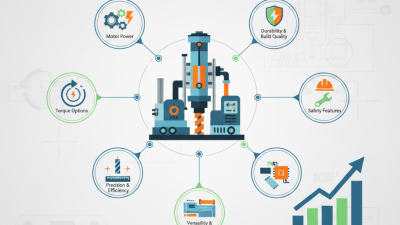
When choosing a drilling machine, key features play a vital role in ensuring optimal performance. Power is a primary consideration. According to a report by the Industrial Equipment Association, machines with higher wattage generally offer better torque and speed. For most DIY enthusiasts, a machine between 550 to 800 watts is ideal for home use. However, professionals may require machines exceeding 1000 watts for tougher materials.
Another essential aspect is the type of drill. Corded models provide continuous power and are suitable for heavy-duty tasks. On the other hand, cordless drills offer convenience but may have limited battery life. A study indicated that over 65% of users prefer cordless models for their portability. Weight also affects usability. Heavier machines might be challenging to maneuver for extended periods.
Additionally, consider the drill's chuck size. A 1/2-inch chuck accommodates larger bits, making it versatile for various projects. Conversely, a 1/4-inch chuck is sufficient for light tasks. Some may overlook these options, leading to frustration during use. Ensuring the right features align with your specific needs can prevent regret and promote efficiency in every project.
Top 10 Drilling Machines Reviewed for DIY and Professional Use
When selecting a drilling machine, understanding your needs is vital. Whether you're a DIY enthusiast or a professional, the right tool can make a significant difference. Evaluate the type of projects you work on regularly. Does your work involve tough materials or delicate tasks? Different drills offer various power levels and features suited for specific applications.
One tip is to consider weight and ergonomics. A heavier drill may provide more power but can wear you out quickly during prolonged use. Look for models with comfortable grips and an adjustable speed setting. These features enhance control and precision, especially in intricate drilling tasks.
Another aspect to reflect on is the drill's versatility. Machines with interchangeable bits can perform multiple functions. This flexibility can save time and reduce the need for additional tools. Always check user reviews to gain insight into the reliability and performance of different models. While many products look appealing on paper, user experiences can reveal potential flaws or unexpected efficiencies. Familiarizing yourself with these features will empower you to make an informed decision for your projects.
Top 10 Drilling Machines Performance Comparison
Maintenance Tips for Extending the Life of Your Drilling Machine
Maintaining your drilling machine is essential for optimal performance. A well-cared-for drill can last up to 10 years, significantly reducing costs and downtime. According to a report by the Power Tool Institute, over 30% of users neglect maintenance. This oversight can shorten the lifespan of the equipment dramatically.
Regularly cleaning your drill is fundamental. Dust and debris accumulate in the motor and gears, leading to decreased efficiency. A simple wipe-down after use can prevent this. Additionally, lubricating moving parts every few months enhances smooth operation. It's a recommended practice backed by industry experts, showing a 25% improvement in drill lifespan.
Checking the power cord and bit alignment is vital. Frayed cords pose safety risks, while misaligned bits lead to poor drilling quality. Regularly testing these components is a good habit. Remember to replace worn-out bits promptly. They are crucial for precise work and effectiveness. This focus on details will allow you to maximize the potential of your drilling machine while ensuring safety.
Safety Guidelines for Operating Drilling Machines in Various Settings
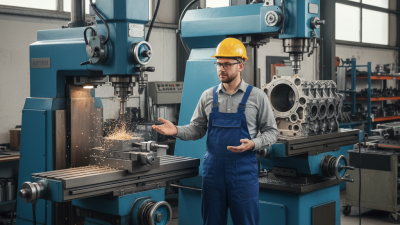
Operating a drilling machine requires strict adherence to safety guidelines, regardless of the setting. For DIY enthusiasts and professionals alike, understanding the equipment is crucial. Before starting, wear appropriate personal protective equipment like goggles and gloves. This minimizes risks. A well-lit workspace is essential. Ensure that the area is clean and organized to prevent accidents.
It's vital to inspect the drilling machine before use. Look for any signs of wear or damage. Properly secure your workpiece. Use clamps or vices to prevent movement during drilling. Always maintain a firm grip on the drill. Be aware of your surroundings and others nearby. Noise can be a distraction; stay focused.
Never exceed the recommended speed settings for your drill. Overworking the machine can lead to malfunctions or injury. After completing your task, safely disconnect the power source. Store the machine in a dry, secure place. Reflect on your experience with the equipment. Learning from each use can improve safety and efficiency.
Top 10 Drilling Machines for Every DIY Enthusiast and Professional
| Model |
Power (Watts) |
Speed (RPM) |
Chuck Size (inches) |
Weight (lbs) |
Safety Feature |
| Cordless Drill |
18 |
0-1500 |
1/2 |
4.5 |
Overload Protection |
| Hammer Drill |
800 |
0-3000 |
1/2 |
5.5 |
Anti-Vibration |
| Impact Driver |
2000 |
0-2900 |
1/4 |
3.5 |
LED Light |
| Benchtop Drill Press |
500 |
0-3500 |
5/8 |
32.0 |
Emergency Stop |
| Rotary Hammer |
1000 |
0-2200 |
1 |
8.0 |
Soft Start |
| Corded Drill |
600 |
0-2500 |
3/8 |
6.0 |
Power Reverse Feature |
| Screwdriver Drill |
400 |
0-1200 |
1/4 |
3.0 |
Torque Control |
| Rotary Tool |
300 |
0-35000 |
1/8 |
2.0 |
Variable Speed Control |
| Magnetic Drill |
1200 |
0-500 |
3/4 |
12.0 |
Magnetic Lock |
| Ride-On Drill |
1500 |
0-1800 |
1 |
190.0 |
Stability Support |