Top 10 Lathe Machines for Global Buyers in 2026?
In the evolving landscape of manufacturing, the "Lathe Machine" plays a pivotal role. According to industry expert Dr. Emily Hart, "Lathe machines are the backbone of precision engineering." Their significance continues to grow, especially as we approach 2026.
The demands of various sectors require advanced lathe machines. They must offer versatility, reliability, and precision. Buyers globally are keen to invest in machines that can accommodate diverse manufacturing needs. As competition increases, selecting the right lathe machine becomes crucial.
However, challenges remain. The rapid pace of technology can lead to confusion about the best options available. Potential buyers often feel overwhelmed by the choices. Understanding the specifications and features of modern lathe machines is essential. A well-informed decision will benefit manufacturers in the long run.
Overview of Lathe Machines and Their Importance in 2026
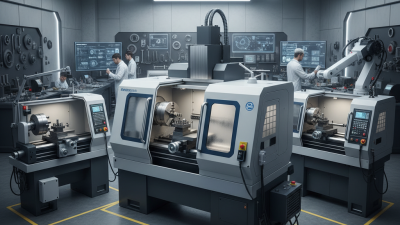
Lathe machines play a vital role in modern manufacturing processes. In 2026, they will be indispensable tools for precision machining. According to a report from Industry Research, the global lathe machine market is projected to grow at a CAGR of 4.5%. This growth reflects the increasing demand for precise components across various industries, including aerospace and automotive.
These machines are essential for shaping materials into precise forms. Lathe machines allow manufacturers to create complex designs efficiently. A survey by TechSci Research highlights that over 60% of manufacturers consider the efficiency of their machinery as a key factor in productivity. Despite advanced technology, many companies still face challenges with maintenance and operational efficiency.
The importance of skilled operators cannot be overstated. Proper training can enhance a lathe machine's output significantly. However, many shops struggle with a shortage of qualified personnel. A report by the National Institute for Metalworking Skills (NIMS) noted that 41% of employers find it hard to fill skilled positions. This indicates a gap that the industry must address to leverage the full potential of lathe machines in 2026.
Key Features to Consider When Choosing a Lathe Machine
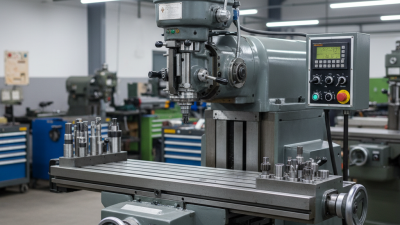
When choosing a lathe machine, certain features stand out as essential. First, consider the size and weight of the machine. A heavier lathe typically provides stability, which is crucial for precision work. You don’t want your machine shifting during operation. Smaller lathes offer portability but may sacrifice some accuracy. Finding the right balance is key.
Another important feature is the spindle speed range. This varies widely among machines. A broader speed range allows for greater versatility, accommodating different materials and project sizes. You might need faster speeds for softer materials and slower speeds for harder ones. Pay attention to this detail to meet your specific needs effectively.
Additionally, look closely at the control systems. Digital displays can enhance precision and ease of use. However, some users prefer manual controls for a tactile experience. Thinking critically about these aspects can lead to better machine choices. Remember, the best lathe machine should fit both your skill level and the types of projects you plan to tackle.
Top 10 Lathe Machines for Global Buyers in 2026
Top 10 Lathe Machines Recommended for Global Buyers
In the ever-evolving manufacturing landscape, choosing the right lathe machine is crucial. As of 2026, market forecasts indicate a significant growth in the global lathe machine demand, projected to reach over $4 billion by 2028, with an annual growth rate of around 5%. This uptick reflects an expanding industry needing precision and efficiency.
The recommended top 10 lathe machines are versatile and suitable for various applications. Notably, CNC lathes have become increasingly popular, providing automated solutions that reduce production time. Reports suggest that CNC machines enhance productivity by up to 30%. Manual lathes still hold value, particularly in smaller workshops, giving artisans control over their craft. Ensuring the right balance between technology and tradition can be challenging in this dynamic sector.
Understanding user requirements is essential. Many buyers face challenges in selecting machines that suit their specific needs. A detailed analysis of production capacity, power consumption, and operational complexity can aid decision-making. Not every machine fits every application, and buyers should weigh factors like cost versus outputs. Gathering feedback from existing users may reveal hidden pros and cons, impacting overall satisfaction and efficiency.
Comparative Analysis of Price and Performance of Each Machine
Choosing the right lathe machine can be challenging for global buyers in 2026. Factors such as price and performance must be carefully evaluated. Many machines offer varying specifications. Some have robust features but come at a premium cost. Others are budget-friendly, yet their capabilities might not meet all needs.
In a comparative analysis, it becomes clear that the highest price does not always guarantee the best performance. A mid-range machine can provide excellent precision. Features like spindle speed and torque are crucial. They define the machine's effectiveness in different materials. Buyers should also consider additional costs like maintenance and accessories.
While some machines excel in advanced technology, they may lack user-friendliness. Others are intuitive but might compromise on power. This balance between tech and practicality is vital. An informed decision requires weighing these elements thoughtfully. Buyers should think critically about their specific requirements. Overall, the search for the ideal lathe machine is as much about personal needs as it is about specifications.
Top 10 Lathe Machines for Global Buyers in 2026
| Model |
Price ($) |
Power (HP) |
Swing Over Bed (in) |
Max Length of Cut (in) |
Spindle Speed (RPM) |
Weight (lbs) |
| Model A |
5,000 |
3 |
12 |
36 |
2200 |
1200 |
| Model B |
6,000 |
5 |
14 |
40 |
3000 |
1500 |
| Model C |
7,500 |
4 |
16 |
44 |
2500 |
1700 |
| Model D |
8,000 |
6 |
18 |
48 |
3500 |
1800 |
| Model E |
9,000 |
7 |
20 |
50 |
4000 |
2000 |
| Model F |
10,000 |
8 |
22 |
52 |
4500 |
2200 |
| Model G |
11,000 |
9 |
24 |
54 |
5000 |
2400 |
| Model H |
12,000 |
10 |
26 |
56 |
5500 |
2600 |
| Model I |
13,000 |
11 |
28 |
58 |
6000 |
2800 |
| Model J |
14,000 |
12 |
30 |
60 |
6500 |
3000 |
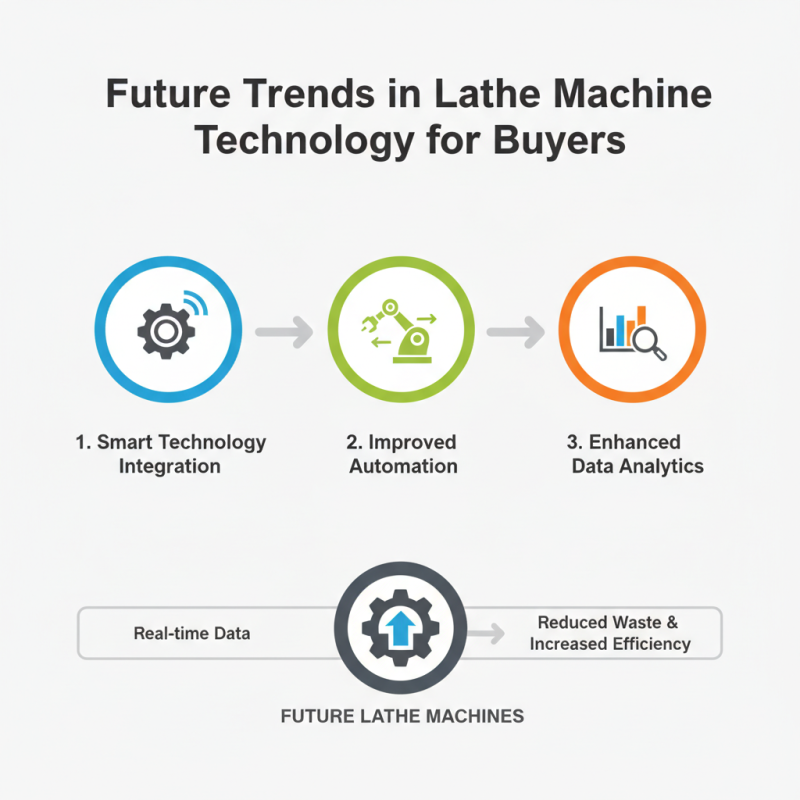
Future Trends in Lathe Machine Technology for Buyers
As lathe machine technology evolves, buyers must stay informed. The integration of smart technology is becoming more prominent. This means that future lathes will likely feature improved automation and enhanced data analytics. By collecting real-time data, these machines can optimize performance, reduce waste, and increase efficiency.
Sustainability is also a critical factor. Many modern lathes will focus on energy efficiency and reduced environmental impact. Some manufacturers are exploring eco-friendly materials and processes. This trend reflects a growing commitment to sustainability in the manufacturing sector. Buyers will find themselves more inclined to choose machines that prioritize these aspects.
However, challenges remain. While advanced features can enhance productivity, they can also complicate operations. Training will be necessary for staff to manage these new technologies effectively. Additionally, the initial investment in high-tech machines may deter some buyers. Balancing innovation with practicality will be essential for future buyers navigating this changing landscape.