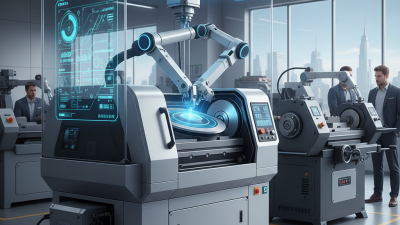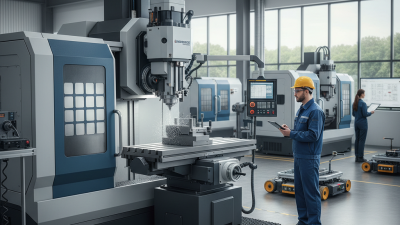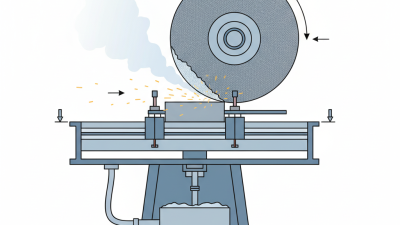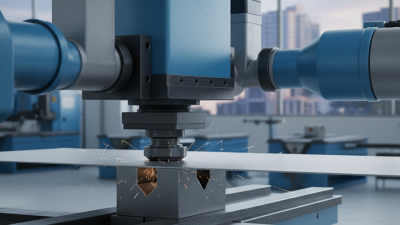
In the world of precision manufacturing, the Surface Grinding Machine plays a vital role. These machines ensure high accuracy and smooth finishes for various materials. They are essential for industries ranging from automotive to aerospace. Understanding the top models available can enhance your operations.
Surface grinding involves removing material from a workpiece to achieve flatness and smoothness. The right machine can significantly impact productivity. It is important to consider factors such as size, power, and capabilities when selecting a model. Not all machines are suited for every task.
Some may find themselves overwhelmed by the options. Finding the ideal machine requires careful thought. Users must reflect on their specific needs and production goals. The journey to identify the perfect surface grinding machine can be challenging, yet rewarding. Each model offers unique features that cater to different requirements, underscoring the importance of making informed choices.
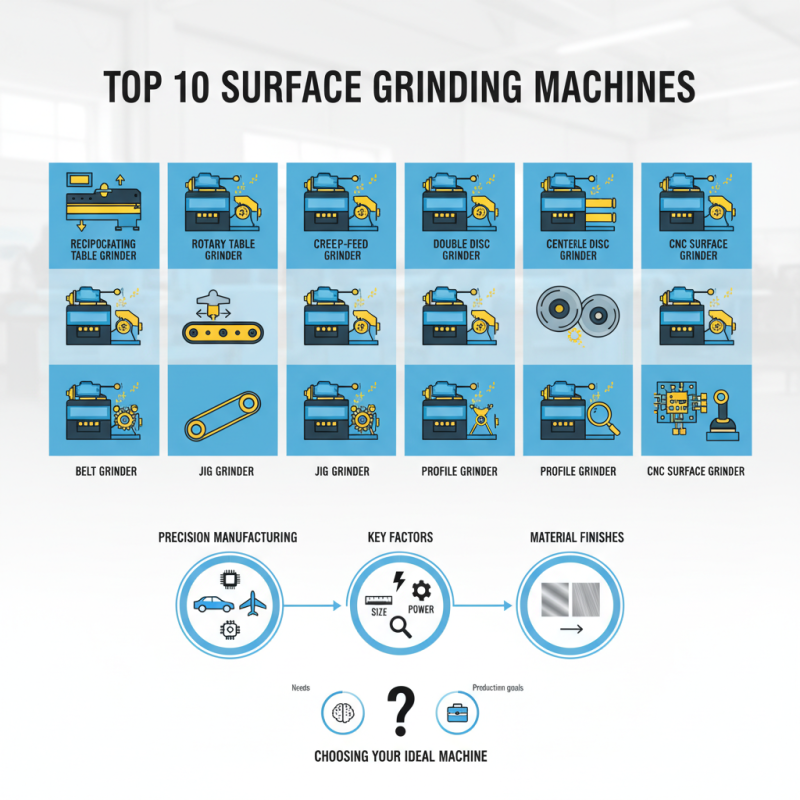
Surface grinding machines are essential tools in various industries. These machines use a rotating wheel to remove material from the surface of a workpiece. This process ensures precise dimensions and a smooth finish. They find applications in manufacturing and metalworking. From small parts to large components, surface grinders deliver high accuracy and efficiency.
The choice of a surface grinding machine depends on specific needs. Different types serve varied functions. Most machines can handle flat surfaces, while some specialize in contours or intricate designs. Often, manufacturers encounter challenges when selecting the right machine. Limitations in space and budget can complicate decisions. Also, the operator's skill level can affect the quality of the finished product.
Understanding how to maintain these machines is crucial. Regular maintenance helps prevent errors and prolongs the machine's lifespan. Operators may overlook simple checks, leading to costly repairs. Moreover, it's essential to reflect on the machine's setup. Misalignment can ruin workpieces and waste time. Balancing efficiency and precision is an ongoing challenge in the field.
| Machine Model | Grinding Capacity (mm) | Power (kW) | Table Size (mm) | Application Area |
|---|---|---|---|---|
| Model A | 600 x 300 | 4 | 800 x 400 | Precision Parts |
| Model B | 800 x 400 | 5.5 | 1200 x 600 | Tool Manufacturing |
| Model C | 1000 x 500 | 7.5 | 1500 x 800 | Aerospace Components |
| Model D | 1200 x 600 | 11 | 1800 x 1000 | Heavy Machinery |
| Model E | 1500 x 750 | 15 | 2000 x 1200 | Automotive Parts |
| Model F | 2000 x 1000 | 20 | 2500 x 1500 | Construction Equipment |
| Model G | 900 x 450 | 6 | 1400 x 700 | Medical Devices |
| Model H | 750 x 350 | 4.5 | 950 x 500 | Electronics |
| Model I | 800 x 400 | 5 | 1100 x 600 | Marine Engineering |
| Model J | 1000 x 500 | 7 | 1350 x 700 | Industrial Applications |
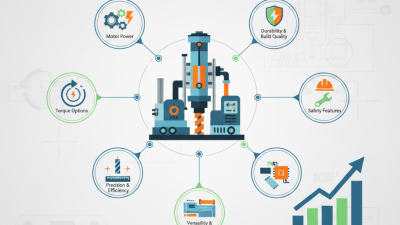
When selecting a surface grinding machine, certain key features stand out. Precision is essential; the machine must deliver accurate results. A robust frame enhances stability, reducing vibrations during operation. This stability improves the quality of the finished product, impacting the overall efficiency of your grinding tasks.
Another important feature to consider is ease of use. User-friendly controls can make a significant difference, especially for those new to surface grinding. Intuitive interfaces reduce training time. Additionally, machines with versatile capabilities can handle various materials and sizes. This flexibility expands their usability in workshops.
Regular maintenance is crucial for long-lasting performance. Some machines may require more frequent checks, which can be a hassle. Accessibility to parts is another concern. If you can’t find replacements easily, it could lead to downtime. These factors often prompt reflection on optimizing equipment choices for better productivity.
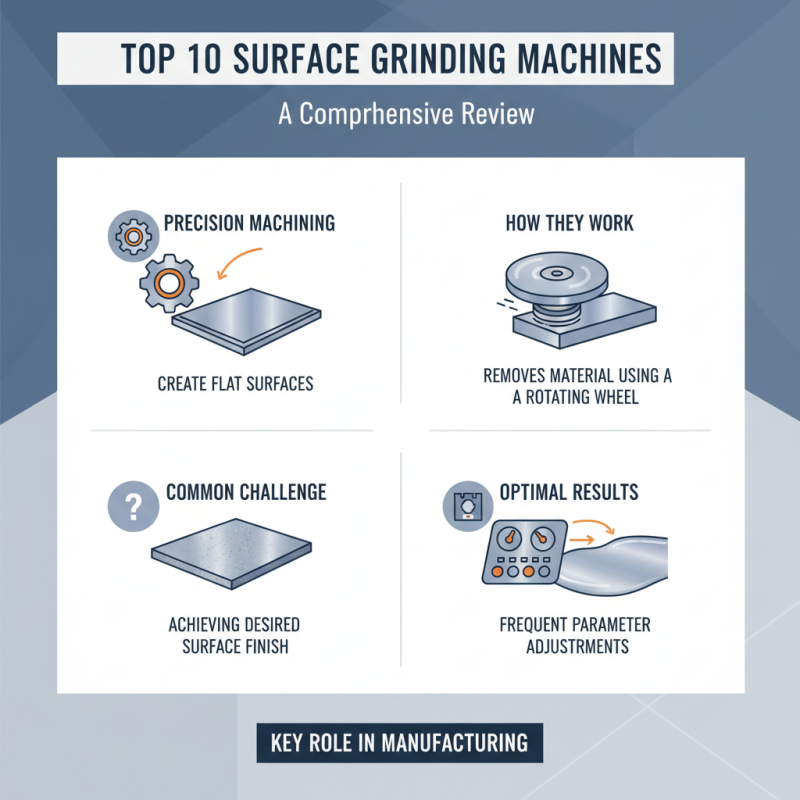
Surface grinding machines play a crucial role in precision machining. These machines create flat surfaces by removing material using a rotating wheel. A common challenge is achieving the desired surface finish. Operators must frequently adjust parameters for optimal results.
Several types of surface grinders exist. They vary in size and functionality, catering to different needs. Some have automatic features while others are manual. This variety can be overwhelming for beginners. It’s important to consider specifications and intended applications before making a choice.
Maintenance is another crucial aspect to think about. Regular checks can prevent issues down the line. However, many operators overlook this. Proper cleaning and lubrication extend the life of the machine. It's essential to develop a routine and stick to it. Small lapses can lead to significant problems later.
When choosing a surface grinding machine, several factors come into play. The type and size of materials you'll be working with can greatly influence your decision. A machine that accommodates larger workpieces may be necessary for industrial applications. Precision is essential for achieving the desired finish, so consider machines capable of fine adjustments.
Another crucial aspect is the machine's power and speed. More powerful machines can handle tougher materials. However, higher speeds might lead to less control. Users often overlook the importance of wheel selection. The right grinding wheel material can make a difference in the finish quality.
In addition, consider the machine's ease of use and maintenance. Complicated setups can eat into productivity. Regular maintenance is vital to prevent breakdowns. Some machines require more frequent servicing than others. Reflecting on these aspects can save you from future headaches and expenses. Every choice has its trade-offs.
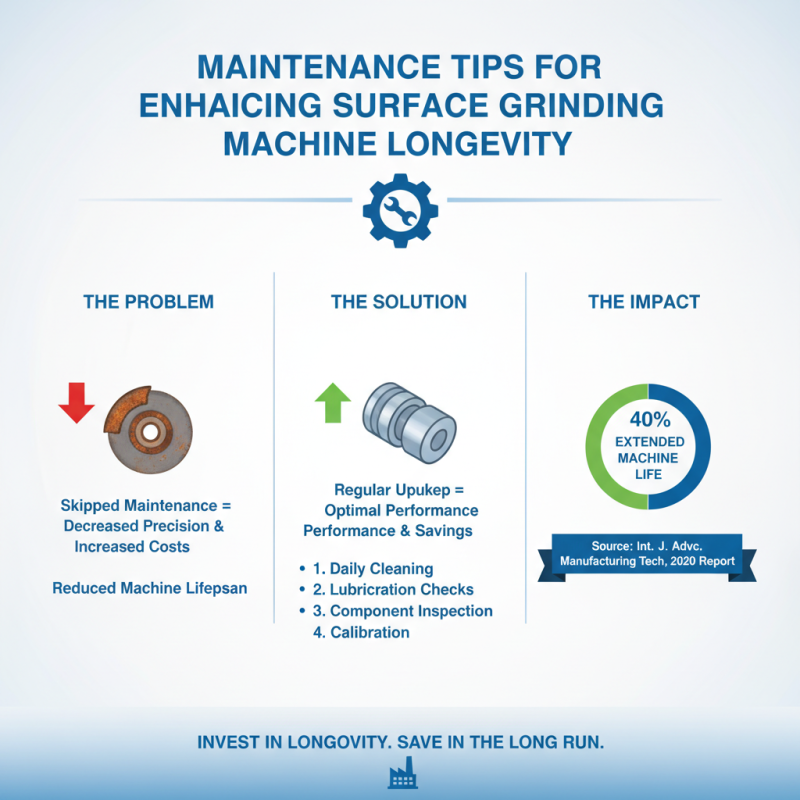
Maintaining surface grinding machines is crucial for optimal performance. Regular maintenance can significantly enhance the longevity of these machines. A 2020 report from the International Journal of Advanced Manufacturing Technology suggests that proper upkeep can extend machine life by up to 40%. Skipping maintenance can lead to decreased precision and increased operational costs.
Make it a habit to clean and lubricate the machine regularly. Dust and debris can accumulate, impacting performance. Ensure that the grinding wheel is dressed properly. Improper dressing can create vibrations and uneven surfaces, leading to costly errors. According to industry standards, only well-maintained machines can achieve tolerances of less than 0.002 mm.
Check the coolant levels frequently. A good coolant helps reduce thermal distortion. Over time, old coolant may lose its effectiveness, affecting the grinding process. Moreover, operators should periodically inspect machine alignments. Misalignment can cause a slew of issues, from tool wear to product reject rates. The possibility of an unmonitored issue arising is a major concern. Regular checks can help identify problems early before they result in extensive damage.