How to Use Pan And Box Brake for Efficient Metal Forming Techniques?
In the metal forming industry, efficiency is key. The "Pan And Box Brake" plays a vital role in achieving precise bends and folds in various materials. According to recent industry reports, using such equipment can improve production efficiency by up to 30%. This increase is crucial as demands for high-quality components rise.
Employing the Pan And Box Brake requires skill and understanding. Operators must be trained to maximize the potential of this tool. Inaccurate setups can lead to wasted materials and time. Many professionals express the need for continuous learning to adapt to new technologies and techniques.
Moreover, the versatility of the Pan And Box Brake allows it to handle different materials and thicknesses. However, mastering its use involves awareness of its limitations. Misalignment or incorrect pressure can compromise product quality. A thoughtful approach to training and machine settings can mitigate these issues, promoting better outcomes in metal forming tasks.
Understanding the Basics of Pan and Box Brakes in Metal Forming
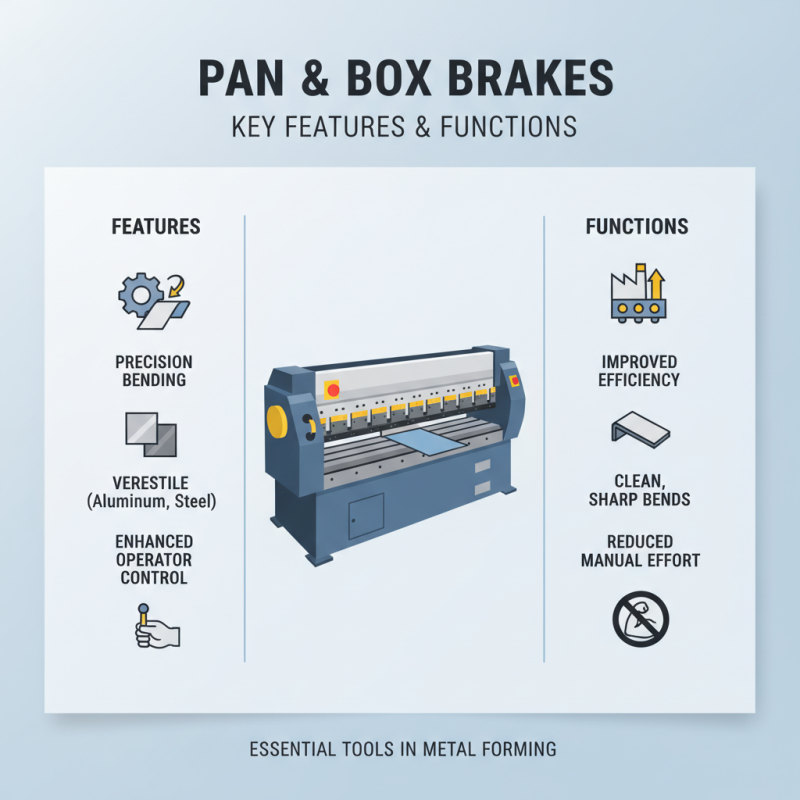
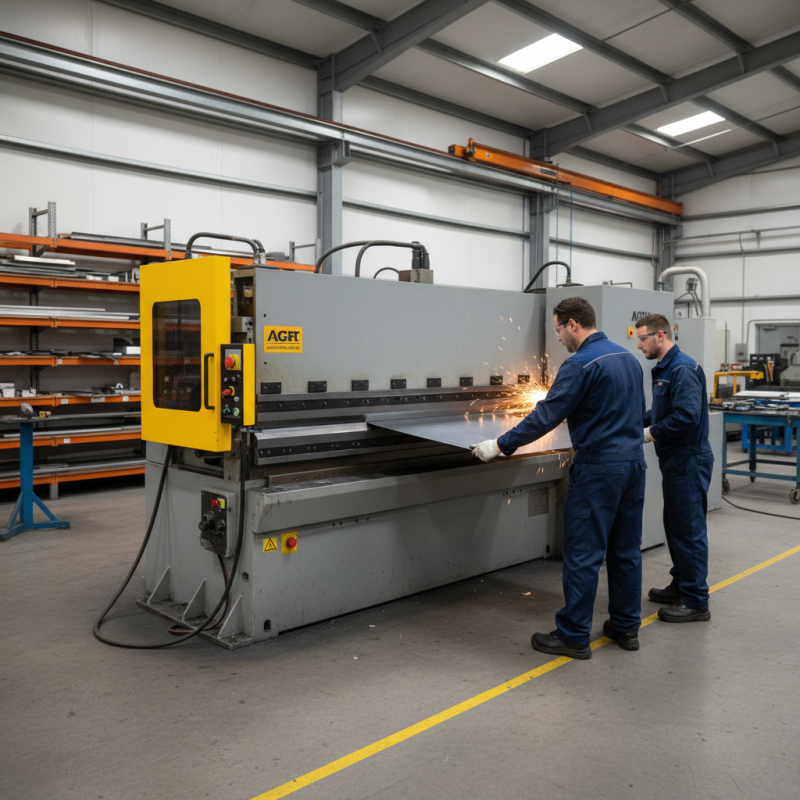
Pan and box brakes are essential in metal forming. They are designed for bending sheet metal into desired shapes. The pan brake allows for creating different angles, while the box brake can form closed shapes. These tools work by clamping metal and bending it over a lower die.
Understanding the operation of these brakes is crucial. Proper setup is important for precision. Users must consider factors like material thickness and bend radius. Poor handling can lead to misaligned bends and wasted material. It’s easy to overlook details, but they matter greatly.
Experience plays a role in mastering these techniques. New users may struggle initially. The learning curve can be steep. Adjustments may be needed throughout the bending process. An imperfect bend may require a second attempt, which is frustrating but can lead to better outcomes. Observing and refining techniques is part of the journey.
Step-by-Step Guide to Setting Up a Pan and Box Brake
To set up a pan and box brake effectively, start by gathering all the necessary tools. Ensure your workspace is organized. A clutter-free area will help you focus. Next, check the brake's specifications. Understanding its limits is crucial before you begin.
Carefully adjust the brake for the sheet metal you will use. Measurement is key; a mistake can lead to waste. It's important to secure the metal firmly in place. If the metal shifts, the bend will be incorrect.
Tips: Always test with scrap metal first. This way, you can refine your technique. Also, maintain consistent pressure while bending. Inconsistent pressure can create uneven bends. Lastly, don't rush the process. Take your time to ensure each bend is precise. Remember, practice makes perfect.
Techniques for Achieving Precision Bends Using Pan and Box Brakes
Using a pan and box brake effectively requires an understanding of various techniques. Precision bending is crucial in metal forming, and small errors can lead to significant material waste. Reports indicate that nearly 20% of material cost stems from waste in metal fabrication. A plant must optimize processes to reduce these losses.
Proper setup is vital. Ensure that the material aligns correctly with the brake. This setup can minimize discrepancies in the final bend. According to technical studies, a misalignment of just 1 degree can result in a bend error of up to 5 mm over a 1-meter length.
Practicing repeatability is essential in achieving precision. Operators should perform regular checks of their equipment. An infrequent calibration can lead to deviations in production quality. One study highlighted that up to 15% of operators reported issues related to equipment tolerances. Continuous training is necessary to maintain a high level of precision.
Experimenting with different materials can yield varied results. Thinner metals may bend easily but may also warp if not handled with care. Heavy-duty materials can take longer to form but may require more force. Balancing these aspects is critical to improving efficiency and output in metal fabrication.
How to Use Pan And Box Brake for Efficient Metal Forming Techniques?
| Technique |
Description |
Applications |
Materials Used |
Advantages |
| Pan Brake |
A machine that creates bends by holding flat metal sheets and bending them over a fixed beam. |
Signage, HVAC ducts, and small metal enclosures. |
Aluminum, Steel, Brass. |
Versatile, easy to operate, suitable for small production runs. |
| Box Brake |
Similar to a pan brake but allows for deeper bends and box formations by providing a clamping option. |
Electrical enclosures, custom boxes, and framed structures. |
Stainless Steel, Mild Steel. |
High precision, suitable for complex shapes and holds tight tolerances. |
| Bead Rolling |
Process that adds decorative and structural beads to the metal sheets. |
Automotive panels, decorative pieces, and reinforcement for sheet metal. |
Aluminum, Thin Steel. |
Enhances rigidity and aesthetic appeal while reducing weight. |
Common Applications and Benefits of Pan and Box Brake Forming
Pan and box brakes are essential for metal forming, providing versatility and efficiency in various applications. These tools allow for precise bending of metal sheets into specific shapes. Common applications include the production of brackets, enclosures, and ductwork. Each project benefits from the ability to create accurate angles and curves.
Using a pan brake is perfect for shallow bends, while a box brake excels in deeper, more complex folds. This differentiation enhances the efficiency of your workflows. For intricate designs, ensure the sheet metal is accurately measured before bending. Precision in measurement can prevent waste and errors.
Here are some tips: always maintain your brakes for optimal performance. A clean tool reduces friction and enhances accuracy. Additionally, practice on scrap metal before moving to final pieces. This step helps identify mistakes early and promotes skill development. Remember, every mistake is a learning opportunity. Use it to refine your technique.