Welcome to our websites!

2026 Top Valve Grinding Machines for Global Buyers

The 2026 market for Valve Grinding Machine equipment is becoming more demanding. Global buyers now expect accurate finishes, stable operation, and practical maintenance support. A machine may look impressive in a catalog. Its real value appears beside a worn valve, a hot workshop floor, and a technician checking seat geometry.

This guide examines leading valve grinding solutions for workshops, engine rebuilders, marine service teams, and industrial maintenance departments. It considers grinding accuracy, compatible valve sizes, abrasive control, fixture design, automation, operator safety, energy use, and after-sales service. Buyers should also inspect training quality and spare-parts availability. These details often matter more than polished specifications.

Quality is not only a number.

W. Edwards Deming, a respected quality expert, said, “Quality comes not from inspection, but from the improvement of the production process.” His principle fits Valve Grinding Machine selection closely. Reliable results depend on machine design, operator skill, repeatable procedures, and proper inspection. A powerful motor cannot correct poor alignment. A low price may become expensive after repeated rework.

No ranking fits every workshop. Some machines offer excellent portability but limited automation. Others provide strong precision while requiring higher installation budgets. That trade-off deserves honest consideration. This overview compares major options through a buyer-focused lens, using practical performance rather than marketing language alone. It also recognizes an uncomfortable point: published accuracy claims may not reflect daily workshop conditions. Coolant quality, abrasive wear, operator habits, and neglected calibration can change the final result.
2026 Top Valve Grinding Machines for Global Buyers

Valve Grinding Machines: Definition, Purpose, and Core Applications

Valve grinding machines are precision workshop systems used to restore valve faces, seats, and sealing geometry. They remove limited metal with an abrasive wheel, controlled feed, and stable clamping. The goal is not simply shine. It is accurate contact, correct angles, and reliable compression.

Their importance follows wider industrial demand. MarketsandMarkets’ Industrial Valves Market report projects growth from about USD 78 billion in 2024 to more than USD 100 billion by 2029. The International Energy Agency’s World Energy Outlook 2024 also expects strong investment in energy infrastructure through this decade. These trends support maintenance demand in engines, power equipment, compressors, pumps, and process machinery. In practical use, a technician may secure a cylinder head, set the guide height, dress the wheel, and inspect the contact band with marking compound. Small errors remain visible.

Not every grinding machine delivers the same result. A high spindle speed may reduce cycle time, but excessive heat can distort the valve margin. According to ISO 16089 guidance for stationary grinding machinery, guarding, workholding, and operating controls require careful attention. Measurement still matters. A report from the U.S. Department of Energy’s Industrial Assessment Centers repeatedly links maintenance quality with equipment efficiency, although it does not isolate valve grinding alone. That limitation deserves recognition. A smooth surface can hide poor concentricity, uneven seat width, or incorrect valve height. Experienced buyers should compare runout limits, wheel compatibility, coolant control, fixture range, and operator training requirements. Safety is part of precision.

How Valve Grinding Machines Work: Processes, Components, and Controls

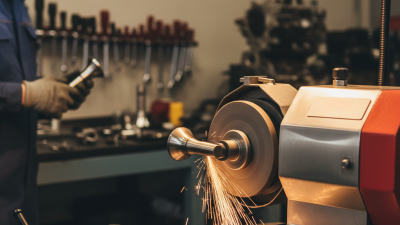
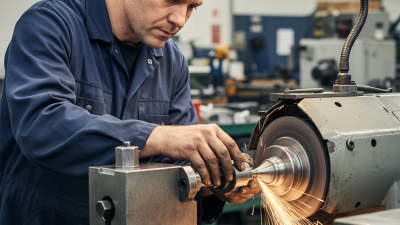
Valve grinding machines restore sealing surfaces by removing tiny amounts of metal with controlled abrasion. The valve is clamped in a fixture, while an abrasive wheel follows its seat angle. During setup, the operator cleans the valve and checks runout with a dial indicator. The machine then rotates the workpiece at a steady speed. Grinding pressure must remain light and consistent. Excessive pressure creates heat, taper, or uneven contact. Small errors matter.

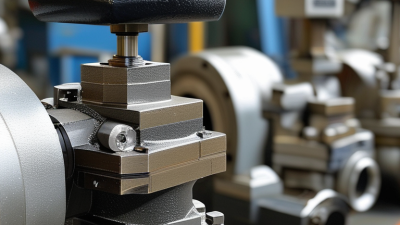
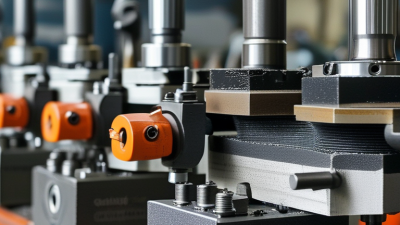
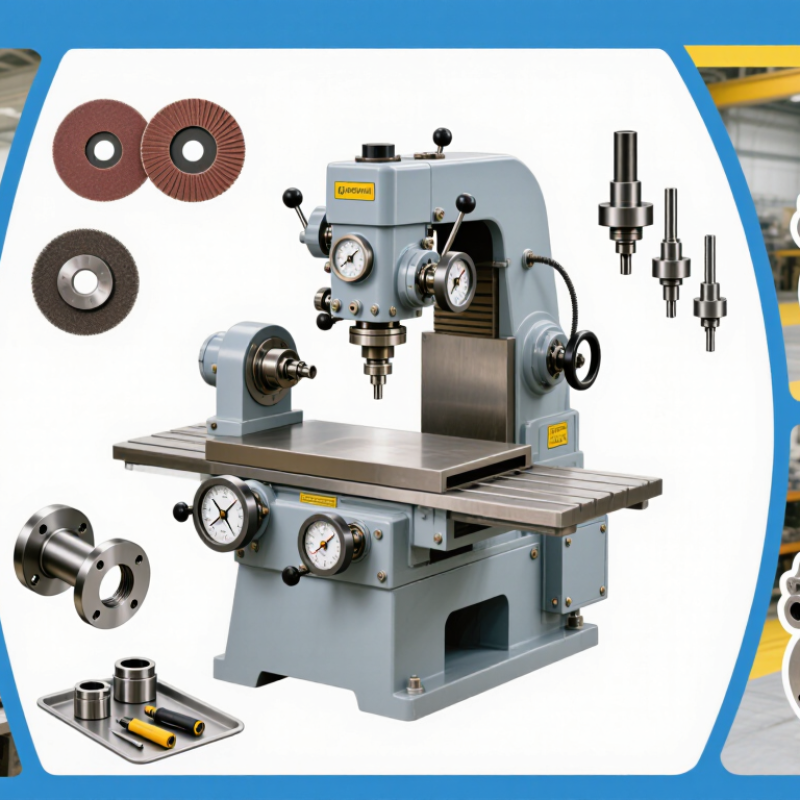
Core components include the spindle, grinding wheel, chuck, guide fixtures, coolant system, and dressing tool. The spindle controls rotation, while the fixture maintains alignment during machining. Coolant reduces heat and carries away abrasive particles. A dressing tool reshapes the wheel when its surface becomes glazed.

Modern control panels may adjust speed, feed, cycle time, and coolant flow. Sensors can detect overloads or abnormal vibration. Emergency stops remain essential. Controls should be clear, not merely advanced.

For global buyers, I recommend checking adjustment range, fixture rigidity, wheel availability, and operator access. Experienced technicians inspect the contact pattern with marking compound after grinding. A narrow, continuous pattern usually indicates better seating. I have seen acceptable-looking surfaces fail because clamping was slightly loose. That weakness deserves attention. Manual machines can suit varied repair work, while automated controls improve repeatability. However, automation cannot correct poor cleaning or incorrect alignment. Real conditions vary.

Main Machine Types and Their Best-Fit Industrial Applications

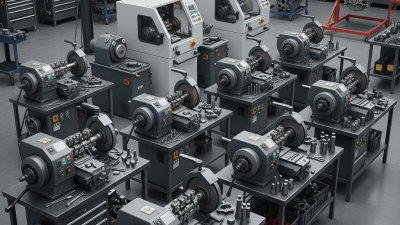
In 2026, valve grinding machines are chosen by repair duty, valve size, and required surface finish. Portable grinders suit field maintenance on engines, pumps, and industrial pipelines. They reduce removal time, but setup accuracy depends heavily on the operator. Bench-mounted machines offer steadier control for workshops handling repeated valve repairs. They are practical for medium-sized components and routine refurbishment.

CNC valve grinding machines fit high-volume manufacturing and demanding power-generation applications. Their programmable feeds improve repeatability across large production batches. Lapping machines are better for final sealing surfaces, especially in hydraulic, chemical, and high-pressure systems. For large valves, specialized machines provide stronger clamping and longer grinding strokes. A fast cycle is not always better. Excessive grinding may alter valve geometry and create costly rework. That risk is sometimes underestimated.

Tips: Match the machine to the largest valve you actually process, not an occasional oversized part. Check spindle speed, fixture stability, coolant control, and abrasive compatibility. Measure runout before and after grinding. Keep inspection records for each batch. Operators should verify seat width, contact pattern, and surface finish with calibrated tools. In my experience, trial runs reveal problems that brochures often hide. Leave room for adjustment.

2026 Buying Criteria: Precision, Capacity, Automation, and Safety

2026 Top Valve Grinding Machines for Global Buyers

For global buyers, precision should be measured, not assumed. A reliable valve grinding machine should maintain consistent surface finish across repeated cycles. Check spindle runout, dressing accuracy, and final valve-seat measurements. Ask for test data using materials similar to your own production. A polished brochure is not enough. Small deviations can create leakage, rework, and costly downtime.

Capacity must match real workloads, not ideal forecasts. Review valve diameter ranges, chuck strength, table travel, and motor performance. Automation can improve repeatability, especially when loading, dressing, and measurement are integrated. However, excessive automation may complicate maintenance. Operators still need clear controls and practical training. In factory trials, the fastest cycle was not always the most stable one. That result deserves careful reflection.

Tips: Confirm safety guards, emergency stops, interlocks, dust extraction, and electrical compatibility before ordering. Request manuals, spare-parts guidance, and remote support details. Inspect the machine’s access points. If cleaning takes too long, operators may avoid it. Choose documented safety procedures and measurable acceptance standards. A machine that is slightly slower but easier to maintain may deliver better long-term value.

Global Selection Guide: Standards, Suppliers, Costs, and Support

Buying a valve grinding machine globally requires more than comparing spindle speed and table size. Start with the valve materials, diameters, surface finish, and expected daily workload. I have seen buyers select oversized machines, then struggle with installation space and training. Capacity must fit real production, not an impressive catalog figure.

Check safety documentation against the destination market. Relevant evidence may include risk assessment, guarding, emergency-stop performance, electrical testing, and quality management records. ISO 12100 and ISO 13849 references can support technical evaluation, but local requirements still apply. Ask suppliers for inspection reports, calibration records, and sample grinding results. Vague certificates are warning signs.

Supplier reliability matters after delivery. Request factory acceptance testing, spare-parts availability, remote diagnostics, and technician response times in writing. Compare total cost, including tooling, freight, installation, operator training, maintenance, and import charges. A low quote can hide expensive setup work. I once underestimated abrasive consumption, which changed the monthly budget noticeably. Cost models should use three production scenarios, because demand forecasts are rarely perfect. Support quality is difficult to measure before purchase. A live test using your valve drawings provides stronger evidence than polished presentations. Require clear payment milestones and documented acceptance criteria. Small details matter.

2026 Top Valve Grinding Machines for Global Buyers - Global Selection Guide: Standards, Suppliers, Costs, and Support
Comparative guide for procurement, maintenance workshops, valve service centers, and field-repair teams

Machine Category Typical Valve Application Typical Size Range Grinding / Lapping Capability Typical Accuracy Recommended Buyer Profile Relevant Standards / Compliance Indicative 2026 Price (USD) Typical Lead Time Expected Support Package
Portable valve grinding machine Gate, globe, and safety-valve seat repair at plant or pipeline sites DN 15–600; approximately NPS ½–24 Replaceable abrasive discs; face, seat, and light lapping operations Approximately 0.01–0.05 mm, depending on setup and operator control Oil, gas, power, chemical, and maintenance contractors requiring field mobility ISO 12100; IEC 60204-1 where electrical controls are supplied; applicable local machinery and electrical rules $4,000–$18,000 6–14 weeks Basic commissioning, operating manual, spare abrasives, remote troubleshooting, and operator training
Portable CNC valve seat grinder Precision refurbishment of valve seats and sealing surfaces DN 25–1,200; approximately NPS 1–48 Programmable feed, controlled angular grinding, and repeatable seat geometry Approximately 0.005–0.02 mm under controlled workshop conditions High-volume repair centers and critical-service maintenance teams ISO 12100, IEC 60204-1, ISO 13849-1 for relevant safety-control functions, and local conformity requirements $20,000–$75,000 10–24 weeks CNC training, software backup, calibration guidance, preventive-maintenance schedule, and remote diagnostics
Stationary valve lapping machine Workshop lapping of gate, globe, check, and control-valve components DN 15–900; approximately NPS ½–36 Flat and conical lapping using abrasive compounds, plates, and controlled pressure Approximately 0.005–0.03 mm, depending on plate condition and measurement method Central workshops needing repeatable finishing and controlled abrasive processes ISO 12100; IEC 60204-1; ISO 9001 quality systems may be requested for manufacturing documentation $12,000–$48,000 8–18 weeks Process setup guidance, lapping consumable specification, spare plates, and video-based training
CNC valve repair and grinding center Integrated machining, grinding, and inspection for industrial valve components DN 50–1,500; approximately NPS 2–60 Multi-axis positioning, automatic dressing, programmable grinding cycles, and data logging Approximately 0.003–0.015 mm with suitable fixturing and calibrated inspection equipment Large repair workshops, original-equipment service departments, and regulated industries ISO 12100, IEC 60204-1, ISO 13849-1 where applicable, CE or equivalent regional conformity documentation $80,000–$250,000+ 18–40 weeks Application engineering, factory acceptance testing, installation supervision, training, software updates, and annual service options
Safety-valve seat grinding system Relief and safety-valve nozzle and disc seat restoration Typically DN 15–300; approximately NPS ½–12 Fine grinding and lapping for narrow seating bands and controlled surface finish Approximately 0.002–0.01 mm for properly prepared components Boiler, pressure-vessel, refinery, and certified valve-test workshops API 527 for pressure-relief valve seat tightness testing; ISO 12100 and IEC 60204-1 for machine safety where applicable $9,000–$42,000 8–16 weeks Seat-angle tooling, abrasive selection guide, test-procedure support, calibration recommendations, and spare-part availability
Large-diameter gate-valve grinding system Repair of large wedge gates, parallel slides, and body-seat rings DN 600–2,400; approximately NPS 24–96 Heavy-duty portable or modular frame, adjustable spindle, and large-area abrasive tooling Approximately 0.02–0.08 mm, influenced by component size, alignment, and thermal stability Pipeline operators, power stations, shipyards, and major shutdown contractors ISO 12100; IEC 60204-1 for electrical systems; API 6D or ASME B16.34 may govern the valve repair context rather than the machine itself $35,000–$140,000 14–30 weeks Site engineering, lifting and alignment guidance, custom tooling, field-service options, and shutdown planning support
Compact hand-operated lapping unit Small valves, instrument valves, trim components, and final hand-finishing DN 6–150; approximately NPS ¼–6 Manual or low-speed lapping with interchangeable plates and abrasive films Approximately 0.01–0.05 mm, primarily dependent on operator technique and inspection Small service shops, instrumentation teams, and maintenance departments with limited throughput ISO 12100 where powered motion is included; local workplace-safety requirements for manual tooling $1,500–$8,000 3–10 weeks Basic user documentation, abrasive starter kit, replacement-plate supply, and remote product support
Valve seat and face inspection station Post-grinding dimensional, flatness, angle, and surface-finish verification Component-dependent; commonly DN 15–1,200 Inspection rather than grinding; optical, mechanical, or electronic measurement options Measurement resolution commonly 0.001–0.01 mm, subject to instrument configuration Buyers requiring traceable quality records and documented repair acceptance ISO 9001 quality procedures; ISO/IEC 17025 is relevant to calibration laboratories and measurement traceability $6,000–$55,000 6–20 weeks Calibration certificates, measurement-method training, data-export support, and periodic verification service
Cost basis
Indicative machine-only purchase ranges in 2026 USD. Freight, duties, installation, tooling, abrasives, training, taxes, and validation are normally quoted separately.
Accuracy note
Stated values are typical target ranges, not guaranteed results. Actual performance depends on workpiece condition, fixturing, operator skill, temperature, abrasives, and inspection method.
Standards note
Machine-safety standards and valve-service standards address different risks. Confirm the applicable legal requirements, valve code, electrical supply, and site certification before purchase.
Global buyer checklist: confirm valve size and seat angle, required surface finish, power supply and frequency, abrasive availability, documentation language, conformity marking, calibration traceability, spare-part coverage, warranty scope, and response time for remote or on-site service.

Send your message to us:

WhatsApp Online Chat !