Valve maintenance is becoming more demanding as energy, marine, transport, and process industries expand worldwide. The International Energy Agency’s World Energy Investment 2024 report estimates global energy investment will exceed USD 3 trillion in 2024. More operating equipment means more pressure on maintenance teams, workshops, and repair budgets. Valve seats and faces must remain accurately matched. Small errors can cause leakage, downtime, and repeated rework.
A reliable Valve Grinding Machine supports controlled material removal, stable alignment, and repeatable surface finishing. However, choosing equipment for international use is not simple. Power standards differ. Workshop space varies. Service coverage can be uncertain. Market reports rarely separate valve grinding equipment from the wider machine tools sector, so buyers should avoid unsupported growth claims. Grand View Research and MarketsandMarkets both identify automation, precision manufacturing, and predictive maintenance as important industrial trends. These trends influence modern valve repair equipment, but they do not replace practical testing.
Details matter.
This guide reviews seven valve grinding machines for global buyers. It considers grinding range, portability, clamping design, motor performance, abrasive control, operator safety, and replacement-part access. Field experience suggests that a compact machine may suit emergency repairs, while a heavier system can deliver better stability in a central workshop. That is not always true. Material hardness, valve geometry, technician skill, and maintenance history can change the result. Buyers should verify tolerances, documentation, electrical compatibility, warranty terms, and training support before ordering. A polished brochure is not enough. Real workshop evidence matters.
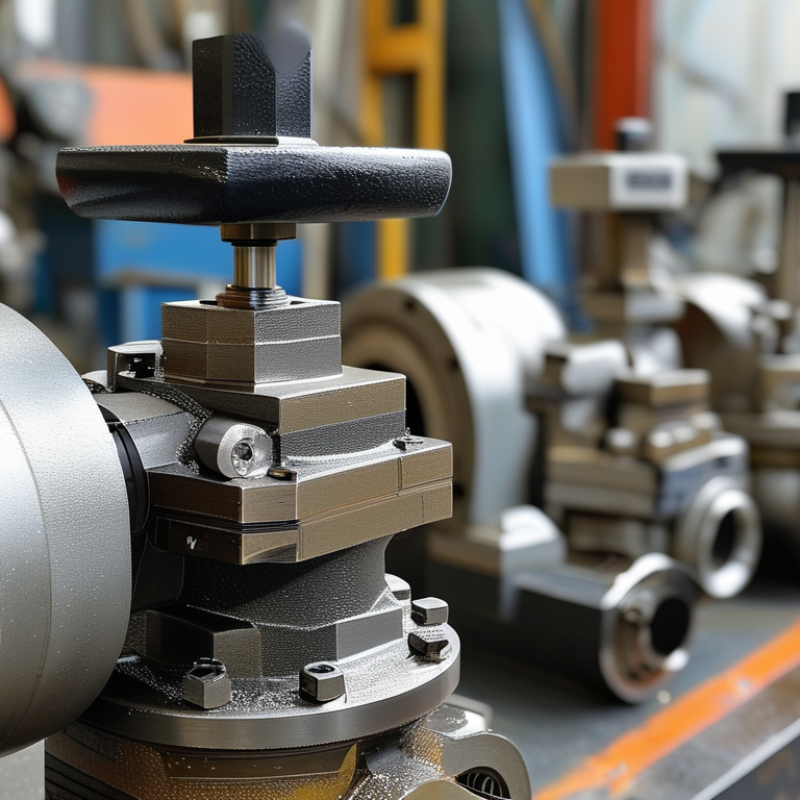
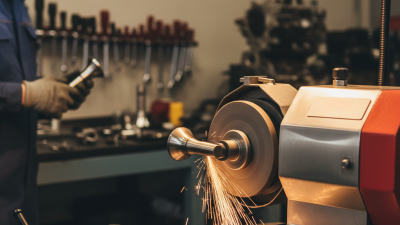
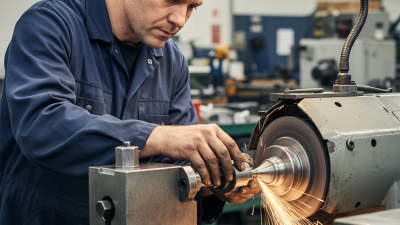
Valve grinding machines restore sealing surfaces by removing tiny pits, burrs, and uneven wear. They use an abrasive wheel, controlled pressure, and measured rotation. The goal is simple: produce a smooth, concentric contact surface between the valve and seat. Poor alignment can create leakage, even after a polished finish.
Designs vary by working environment. Portable models suit field repairs and large engines. Stationary machines offer better rigidity for workshops. Pneumatic units perform well near flammable residues, while electric models provide consistent speed and easier control.
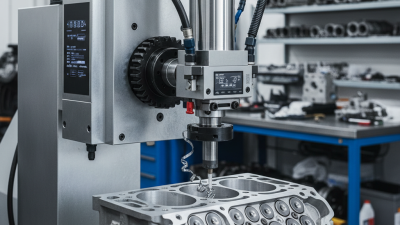
CNC systems improve repeatability for high-volume production. Lapping machines refine the final surface, but they cannot correct serious geometry errors. That distinction is often missed.
According to Grand View Research, the industrial valves market reached approximately USD 78 billion in 2023, with continued growth expected through 2030. This expansion increases demand for reliable maintenance equipment. The U.S. Department of Energy reports that pumping systems can consume 25% to 50% of industrial facility electricity. A leaking or poorly seated valve can worsen that burden.
In power plants, refineries, shipyards, compressor stations, and water-treatment facilities, grinding machines reduce downtime and support controlled refurbishment.
Field experience suggests that speed ratings are not enough. Buyers should also check spindle runout, abrasive compatibility, seat diameter range, cooling control, and operator access. No machine is perfect. A compact tool may save transport time but sacrifice rigidity, and that trade-off deserves honest review.
Evaluating valve grinding machines starts with the valve types, sizes, and materials you will process. A compact machine may suit small engine valves, while heavy industrial valves need stronger clamping and higher spindle stability. Check the grinding diameter, spindle speed, table movement, and repeatability. Ask for measured test results, not only catalog figures. Precision matters.
Inspect the machine physically when possible. Look at the slideways, guards, wheel dressing system, and coolant path. Metal dust should not collect around exposed guides. Test whether the workholding system centers valves without excessive adjustment. A useful trial includes several valve sizes and a recorded surface finish. Short demonstrations can mislead.
Global purchasing adds practical risks. Confirm voltage, frequency, plug requirements, packing dimensions, and total shipping weight. Verify the availability of replacement wheels, bearings, filters, and control components in your region. Request manuals in clear English and ask how remote troubleshooting works. Service response times matter. Sometimes, the cheapest quote becomes expensive after installation, training, and delays. I have seen buyers focus too heavily on purchase price and overlook floor space. That mistake is easy to repeat. Compare the full ownership cost, warranty terms, inspection records, and operator safety features before selecting one of the seven machines.
7 Best Valve Grinding Machines for Global Buyers
Choosing a valve grinding machine depends on accuracy, production volume, and workshop conditions. The portable seat grinder suits field repairs because it is compact and easy to position. However, its results depend heavily on operator control. The bench valve refacer offers stable support for common engine valves and works well in maintenance shops. A chuck-style grinder improves centering, especially when valve stems vary in diameter. Check spindle runout before purchase.
The CNC valve grinding machine provides repeatable angles, automatic dressing, and faster batch processing. It is powerful, but programming skills and maintenance costs can challenge smaller workshops. The belt-driven grinder is simpler, quieter, and easier to repair with standard parts. Its finish may vary if belt tension changes. An air-powered model performs well where electrical access is limited. Moisture in the air line can still damage performance.
A combination grinding and lapping machine saves floor space by handling two related operations. It suits workshops needing controlled seating and consistent surface contact. A heavy-duty industrial grinder supports large valves and extended cycles, but it requires stronger foundations and reliable coolant filtration. During comparison, inspect wheel adjustment, fixture range, dust control, and emergency stopping. Small details matter. A machine may look impressive yet produce uneven edges after several hours. Trial grinding with your actual valve sizes remains the most dependable buying test.
| No. | Machine Profile | Typical Valve Diameter | Typical Stem Diameter | Grinding Method | Typical Accuracy | Motor Power | Automation Level | Cooling System | Best-Suited Applications | Buyer Considerations | Overall Versatility |
|---|---|---|---|---|---|---|---|---|---|---|---|
| 1 | Portable Valve Refacing Grinder | 25–100 mm head diameter | 4–16 mm | Grinding wheel with adjustable valve rotation | Typically ±0.02 mm on stem-to-face alignment | 0.75–1.5 kW | Manual | Optional drip or mist cooling | On-site repair, agricultural engines, small diesel engines and general maintenance | Low installation cost and easy transport; less suitable for high-volume production | ★★★★☆ |
| 2 | Compact Bench-Top Valve Grinder | 25–110 mm head diameter | 4–19 mm | Centerless or chuck-supported face grinding | Typically ±0.015 mm | 1.1–2.2 kW | Manual with adjustable feed | Integrated water-based coolant tray | Small workshops, passenger vehicles, motorcycles and light commercial engines | Good balance of footprint, cost and repeatability; workholding range should be checked | ★★★★★ |
| 3 | Medium-Capacity Automotive Valve Grinder | 30–150 mm head diameter | 5–25 mm | Rotating chuck with adjustable grinding angle | Typically ±0.01–0.02 mm | 2.2–3.7 kW | Manual or semi-automatic | Recirculating flood coolant with filtration | Engine rebuilding shops, fleet maintenance and automotive remanufacturing | Suitable for mixed workloads; confirm spindle taper, wheel availability and electrical standard | ★★★★★ |
| 4 | Heavy-Duty Diesel Valve Grinder | 50–200 mm head diameter | 8–35 mm | Rigid chucking with powered valve rotation and controlled feed | Typically ±0.015 mm | 3.7–7.5 kW | Semi-automatic | High-flow flood coolant and magnetic or cartridge filtration | Marine, generator, truck, mining and large industrial diesel engines | High rigidity and large capacity; requires stronger flooring, lifting access and more service space | ★★★★☆ |
| 5 | CNC Precision Valve Grinding Center | 6–100 mm head diameter | 3–16 mm | CNC-controlled plunge, traverse or profile grinding | Typically ±0.005–0.01 mm | 3.7–11 kW | Automatic with programmable recipes | Enclosed flood coolant with fine filtration | High-volume production, aerospace components and precision automotive valves | Highest repeatability and traceability; purchase price, programming and operator training are higher | ★★★★★ |
| 6 | Universal Valve and Seat Grinding System | 20–180 mm head diameter | 4–32 mm | Interchangeable grinding heads for valve faces, seats and related components | Typically ±0.01–0.02 mm | 2.2–5.5 kW | Manual or semi-automatic | Flood coolant with removable settling tank | Engine reconditioning centers requiring several valve and seat operations | Broadest workshop capability; setup changes and tooling inventory can increase downtime | ★★★★★ |
| 7 | High-Speed Production Valve Grinder | 15–80 mm head diameter | 3–14 mm | High-speed wheel grinding with automatic loading and dressing | Typically ±0.005–0.015 mm | 5.5–15 kW | Fully automatic or integrated line operation | Enclosed high-pressure coolant with continuous filtration | Large-volume production of passenger vehicle and small-engine valves | Excellent cycle times and consistent output; less economical for low-volume or frequently changing jobs | ★★★★☆ |
Note: Specifications are representative industry ranges for the listed machine categories. Actual capacity, accuracy, motor rating, tooling and electrical requirements vary by configuration and should be confirmed in the supplier’s technical documentation.
Choosing among the 7 best valve grinding machines starts with the engine, not the price tag. Small motorcycle and passenger-car valves often suit compact bench machines with adjustable guides. Heavy-duty diesel valves need stronger spindles, wider fixtures, and steady coolant control. For mixed repair work, a universal machine offers more flexibility, although setup takes longer.
Daily workload changes the decision. A portable grinder can handle occasional seat and valve corrections in a small workshop. It may struggle during repeated production cycles. A dedicated hydraulic or pneumatic model supports faster operation and consistent pressure. CNC valve grinders provide excellent repeatability for high-volume work, but their software and maintenance require trained operators. Check spindle runout, chuck accuracy, abrasive wheel options, and replacement-part availability before ordering.
Budget planning should include tooling, stones, dressing equipment, coolant, training, and service visits. A low purchase price can become expensive when fixtures wear quickly. I once underestimated setup time on a compact machine; the unit worked well, but production slowed during frequent valve changes. That mistake still influences my buying checklist. Measure twice. Ask for sample-grinding results using your actual valve sizes and materials. Review the machine’s working range, motor power, safety guards, and documented accuracy. A reliable supplier should explain limitations clearly, not promise one machine for every engine.
7 Best Valve Grinding Machines for Global Buyers
Global buyers should judge valve grinding machines beyond grinding accuracy. Confirm the required valve diameter range, spindle speed, motor power, and abrasive wheel size. A machine suitable for a workshop may fail in a high-volume plant. Check voltage, frequency, plug type, and control-panel language before ordering. Standards also matter. Request electrical test reports, operating instructions, material certificates, and conformity documents accepted in your destination market.
Service quality often decides the real ownership cost. Ask whether technicians provide remote commissioning, setup videos, troubleshooting charts, and response-time commitments. Confirm the warranty terms in writing. Shipping needs equal attention. A machine should arrive in a reinforced crate, with moisture protection and clear lifting points. Ask for crate dimensions, gross weight, insurance coverage, and estimated port-to-door delivery time. Customs delays can be more expensive than expected. I have seen buyers focus on the machine price and overlook unloading equipment.
Tips: Request a spare-parts list before payment. Include grinding wheels, belts, bearings, collets, seals, and fuses. Check each part’s code, shelf life, and replacement lead time. Keep two sets of fast-moving consumables locally. This reduces downtime.
Do not assume every supplier’s “standard package” fits your factory. Compare installation space, dust control, operator training, and after-sales access. My checklist is not perfect; site conditions still expose hidden problems. Ask for a test video using a valve similar to yours. That small step can reveal vibration, poor finishing, or inconvenient adjustments.
This procurement matrix compares seven common valve-grinding machine configurations against practical global-buying priorities. Scores range from 1 to 5 and represent planning priorities for standards documentation, after-sales service, shipping practicality, and spare-parts availability—not manufacturer performance claims. Buyers should verify compatibility with applicable requirements such as API 598, ISO 5208, ASME B16.34, ISO 12100, Incoterms 2020, and the relevant HS classification before ordering.