How to Choose the Best Profile Bending Machine for Your Needs?
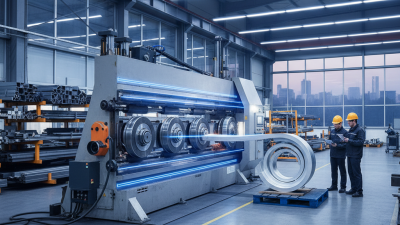
Choosing the right Profile Bending Machine can significantly impact your production efficiency. These machines bend metal profiles into various shapes, serving diverse industries, from construction to automotive. The complexity of this decision lies not only in understanding the machines themselves but also in knowing your specific requirements.
Different Profile Bending Machines offer unique features. Some are designed for heavy-duty tasks, while others focus on precision bending. When evaluating options, consider the types of materials you need to work with and the desired bending radius. Look for machines that provide the right combination of power and accuracy.
Don't overlook the importance of after-sales support and spare parts availability. A reliable manufacturer can make your experience much smoother. Research reviews and testimonials to gauge their reputation. Ultimately, choosing a Profile Bending Machine is not just about specifications; it requires careful consideration of your operational needs and how they align with the machine's capabilities.
Factors to Consider When Selecting a Profile Bending Machine
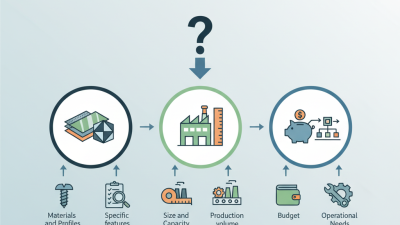
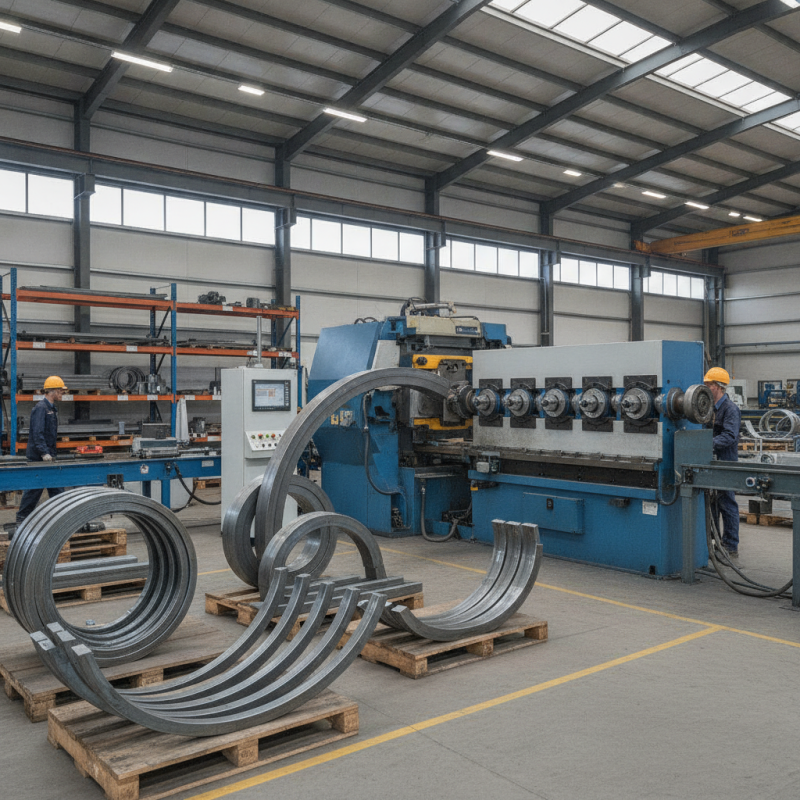
When selecting a profile bending machine, several critical factors come into play. The type of material you plan to work with is essential. Steel, aluminum, and plastic each require different machine capacities. According to industry reports, more than 50% of manufacturers prefer machines that can handle multiple materials with ease. This versatility can significantly enhance production efficiency.
Another vital consideration is the machine's capacity and size. The bending radius and thickness ability should match your project's requirements. Many professionals recommend looking for machines with adjustable parameters because they offer flexibility for varying jobs. A study published by the Metal Forming Association found that nearly 30% of operators faced issues with outdated machines that couldn't accommodate changing specifications.
The technology integrated into the machine is equally important. Look for options featuring CNC capabilities for precision and repeatability. Advanced controls can improve workflow and reduce errors. However, not all machines come equipped with these technologies. A report from the National Association of Manufacturers indicated that about 40% of companies struggle with labor skills in operating advanced equipment, highlighting the need for training and user-friendliness in your choice.
Types of Profile Bending Machines Available in the Market
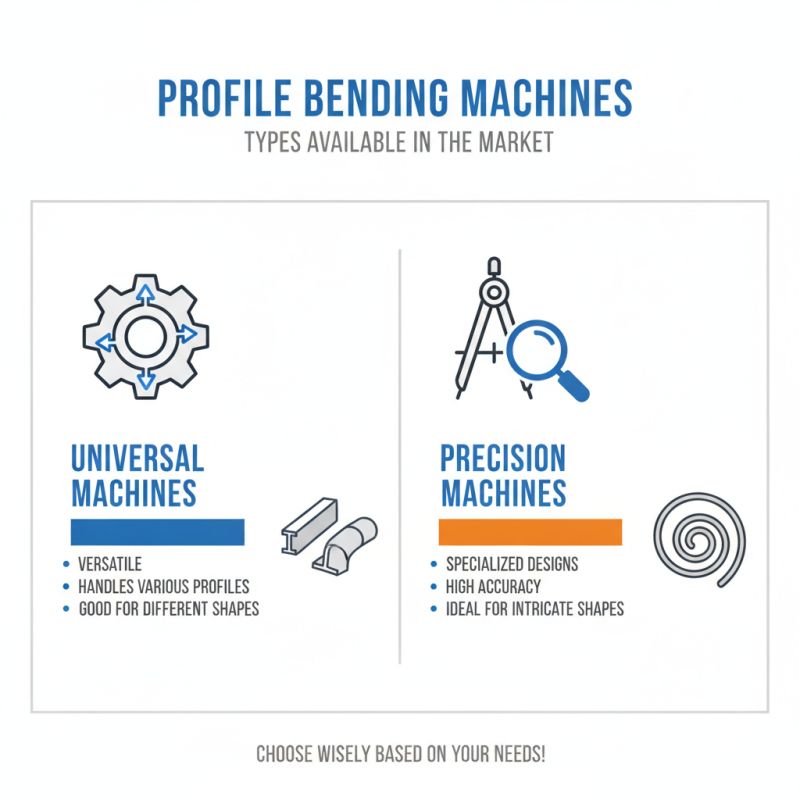
When looking for a profile bending machine, it’s crucial to understand the types available on the market. Each type serves a specific purpose, so knowing these can greatly impact your choice. For instance, universal bending machines are versatile and can handle various profiles. They excel in bending materials into different shapes but might lack precision for intricate designs.
Another option is the CNC profile bending machine. This type utilizes computer control for precision bending. It allows for complex configurations with minimal manual intervention. However, the initial cost is typically higher, and the learning curve can be steep for new users. Yet, the payoff comes in productivity and accuracy.
Lastly, hydraulic profile bending machines are renowned for their power and adaptability. They can bend thick materials with ease. The downside? They may require more maintenance and regular checks on hydraulic fluids. Choosing the right machine means considering these pros and cons to meet your specific bending needs effectively.
Key Specifications That Impact Performance and Efficiency
Choosing a profile bending machine involves understanding key specifications that directly impact performance and efficiency. The machine's capacity and bending radius are crucial factors. A machine with a higher bending capacity allows for larger profiles, while the bending radius defines how tight a curve can be. According to industry reports, a machine capable of bending profiles with a radius as small as 1.5 times the material thickness is optimal for versatile operations.
Tip: Always assess the material type you will work with. Different materials require different bending forces and adjustments. If you plan to work primarily with steel, ensure your machine meets the necessary tonnage requirements to avoid underperformance.
Another important aspect to consider is the speed and precision of the bending process. Machines offering programmable controls with high-frequency adjustment settings can improve efficiency, reducing waste material and production time. Research indicates that machines with advanced control systems can increase production efficiency by up to 25 percent.
Tip: Engage with users or operators of similar machines. Their hands-on experience can reveal the pros and cons that may not be covered in specifications. This feedback is invaluable in making an informed decision.
Ultimately, the goal is to select a machine that aligns well with your project demands while also considering the potential challenges you may encounter along the way.
Understanding the Material Compatibility of Bending Machines
When selecting a profile bending machine, understanding material compatibility is crucial. Different materials respond uniquely during the bending process. For example, steel has a tensile strength that affects bending angles and radii. Bending reports indicate that over 40% of stress-related failures stem from incorrect material choice.
Aluminum, while lighter, requires different settings. Improper adjustments can lead to warping. Industry data shows that the right machine settings can improve aluminum bend accuracy by 30%. Moreover, machines designed for thicker materials may struggle with thinner ones, impacting the quality and precision of the bend. Not all bending machines handle composite materials well. Some may cause delamination, leading to wasted resources.
It's essential to evaluate the entire material spectrum you'll work with. Understanding how each material behaves under pressure can save costs. Regular testing of bends is recommended to ensure compatibility. Sometimes, operators face difficulties in adapting machines to new material types. This often leads to increased wasted material and time. Ensure you have the right expertise and equipment for your specific needs to avoid these common pitfalls.
Cost Analysis and Budgeting for Your Profile Bending Needs
When it comes to profile bending machines, understanding costs is crucial. Start by determining your budget. Evaluate what you can afford while balancing quality and functionality. High-quality machines tend to be more durable, but they come at a higher price. In contrast, budget machines might save you money initially, but can lead to higher repair costs over time.
Consider additional costs like maintenance and training. Look at energy consumption too. A machine that consumes less energy can save you money. It's essential to scrutinize warranties and service options. A machine with a solid warranty provides peace of mind and can reduce future expenses.
Evaluate the long-term benefits against upfront costs. If a more expensive machine can handle more complex projects efficiently, it might justify the investment. Flexibility and capability should guide your decision. Sometimes, investing more now saves you from future setbacks. Be honest about your needs and expectations. Prioritize what truly matters for your projects.