Top 10 Benefits of Using a Lathe Machine in Modern Manufacturing?
In the realm of modern manufacturing, the Lathe Machine stands as a cornerstone. Renowned expert David Jenkins, a veteran in mechanical engineering, once stated, "The precision of a lathe machine is unmatched in producing intricate components." This reflects the machine’s significance in various industries, from automotive to aerospace.
Lathe machines offer a myriad of benefits that streamline production processes. They enhance accuracy and reduce material waste, directly impacting a company’s bottom line. Additionally, the versatility of lathe machines enables them to work with different materials, making them a vital tool for manufacturers. However, relying solely on this technology can also lead to over-dependence.
While the efficiency of a lathe machine is evident, it is crucial to acknowledge its limitations. There are scenarios where manual techniques may provide better solutions. Manufacturers must evaluate when to use lathe machines effectively and when other methods might be more appropriate. Balancing automation and human insight is key to optimizing production.
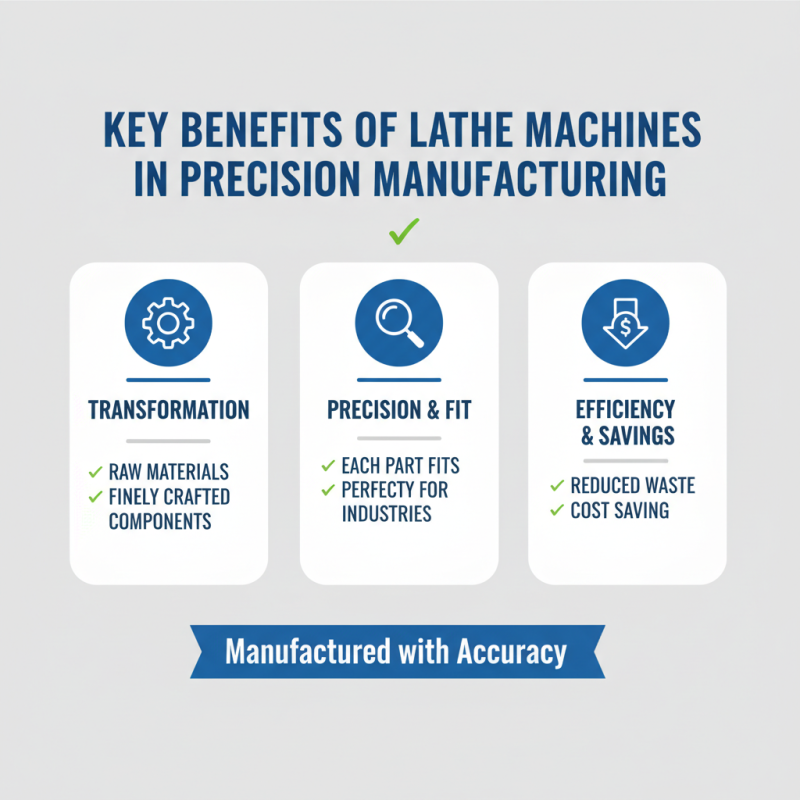
Key Benefits of Lathe Machines in Precision Manufacturing
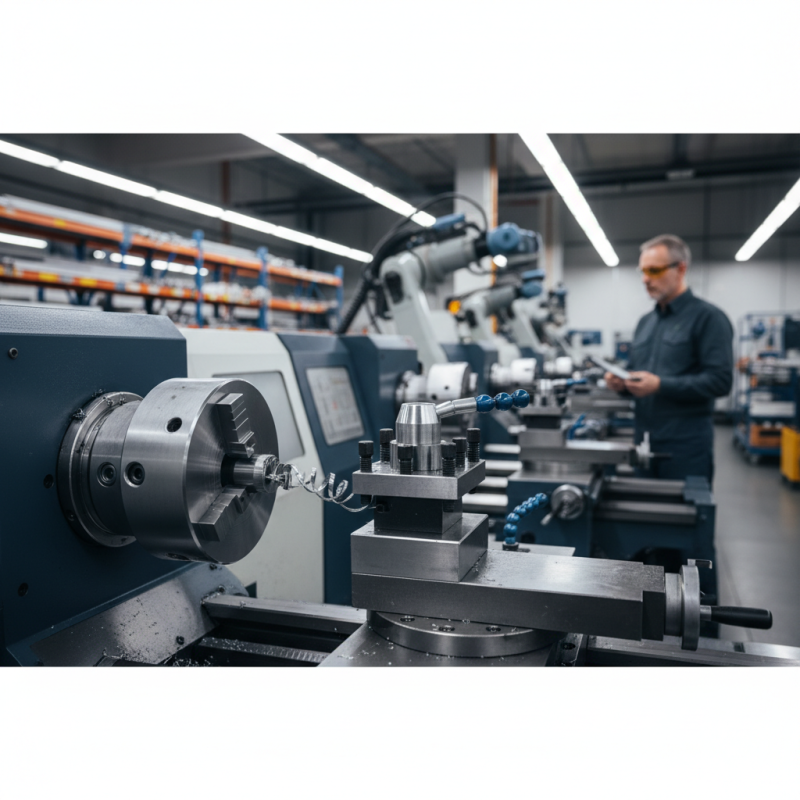
Lathe machines play a crucial role in precision manufacturing. They transform raw materials into finely crafted components. This process is vital for numerous industries. Precision ensures that each part fits perfectly, reducing waste and saving costs.
One key benefit is the versatility of lathe machines. They can create varied shapes and sizes. From cylindrical parts to intricate designs, their adaptability is unmatched. However, not all products may come out as intended. Operators must possess skill and experience. Errors can lead to significant material loss.
Furthermore, lathes enhance productivity. They allow for automated processes, increasing output rates. Modern CNC lathes provide exceptional accuracy while minimizing human error. Yet, reliance on technology can sometimes lead to complacency. Regular training is essential to maintain skill levels among operators. Balancing technology and human expertise is crucial for success in manufacturing.
Enhanced Efficiency through Automated Lathe Processes
Automated lathe processes have revolutionized modern manufacturing. They significantly enhance efficiency by minimizing manual intervention. This automation allows for high-speed production and consistent output. With the right programming, these machines can produce complex parts with precision.
Using automated lathes reduces the risk of human error. Operators can focus on monitoring processes rather than manual tasks. This leads to improved safety and less downtime. However, reliance on automation may also raise concerns about skill retention. Fewer manual skills could mean future challenges in training workers. The balance between automation and human expertise needs careful thought.
Another advantage of automated lathe processes is the ability to prototype quickly. Engineers can run simulations before actual production, saving time and resources. Yet, rapid prototyping brings its own issues. Sometimes, the speed prioritizes quantity over quality. Companies must remain vigilant, ensuring that standards are not compromised for speed.
Improved Surface Finish and Quality Control in Machined Parts
The lathe machine remains a cornerstone in modern manufacturing, improving surface finish and quality control. Studies show that precision machining can reduce defects in parts by up to 30%. This reduction is crucial for industries like aerospace and automotive, where even small imperfections can lead to catastrophic failures.
In lathe operations, achieving a superior surface finish is essential. For instance, a rough surface can escalate friction, impacting the lifespan of components. An optimal surface finish improves wear resistance, which is particularly vital in high-performance applications. Reports from manufacturing engineering journals indicate that a better finish can enhance the overall durability of machined parts by nearly 40%.
However, not all lathes deliver the same results. Operators need to be mindful of variables such as tool selection and material properties. Even slight miscalculations can lead to surface imperfections. This highlights the importance of ongoing training and skill development. Emphasizing precision and quality requires consistent attention from skilled professionals in the field. Generally, manufacturing environments benefit greatly from investing in both machinery and the workforce.
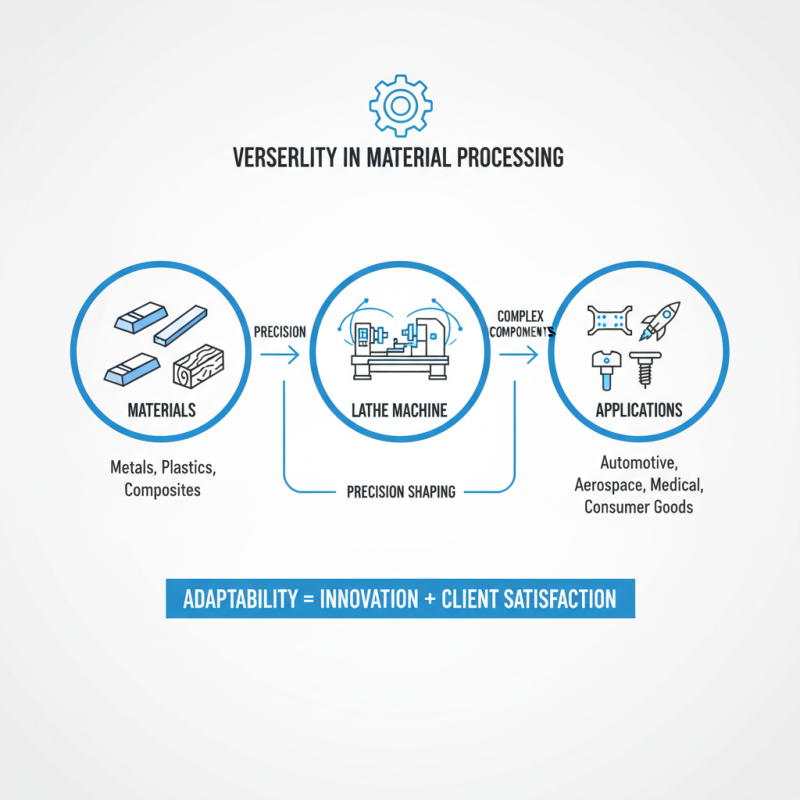
Versatility in Material Processing for Diverse Applications
Lathe machines have become indispensable in modern manufacturing. Their versatility shines through in processing various materials, from metals to plastics. This flexibility allows manufacturers to adapt quickly to different projects. For example, a lathe can create intricate components for the automotive or aerospace industries. This adaptability is crucial for meeting diverse client needs.
Moreover, the ability to switch between different materials can lead to challenges. Operators must understand the properties of each material. Machining wood is different from working on steel. Each requires unique tools and approach. This complexity can create room for mistakes and learning opportunities. Continuous training and skilled labor are vital. Mastering this versatility opens doors to innovation and efficiency in production.
The capacity for varied applications also drives creativity. Engineers can experiment with designs and materials, pushing boundaries. Not every attempt will yield success. However, these trials lead to breakthroughs. A lathe machine’s multifaceted nature encourages problem-solving and experimentation in ways that few other machines can match. This evolving landscape keeps the manufacturing sector dynamic and forward-thinking.
Cost-Effectiveness and Time Savings in Modern Production Lines
Lathe machines play a crucial role in modern manufacturing, especially regarding cost-effectiveness and time savings. According to a recent industry report, implementing CNC lathe machines can reduce production costs by up to 30%. This significant reduction is mainly due to enhanced automation, which minimizes labor costs and human errors. Moreover, these machines can operate continuously, leading to increased output without the need for frequent breaks.
Time efficiency is another key benefit. CNC lathes can produce intricate parts in a fraction of the time required by manual machines. Data indicates that manufacturing lead times can be cut by almost 50% when using automated lathe systems. This acceleration allows companies to respond swiftly to market demands. However, it’s vital to recognize that initial investments in high-tech lathe machines can be substantial. Companies must weigh these costs against potential long-term savings.
The flexibility of lathe machines offers another advantage. They can handle a variety of materials, from metals to plastics. This adaptability can be crucial in industries requiring rapid prototyping and custom parts. While this versatility is impressive, not all workers are trained to leverage these capabilities. Investing in employee training is essential to maximize the benefits of lathe technology. This is an area for ongoing reflection as businesses navigate the balance between cost and skill development.