2026 Best Vertical Lathe Machines for Precision and Efficiency?
In the world of manufacturing, the importance of precision cannot be overstated. Vertical lathes play a crucial role in achieving high accuracy and efficiency. These machines are essential for shaping and machining a variety of materials. Manufacturers depend on vertical lathes to meet strict tolerances on complex components.
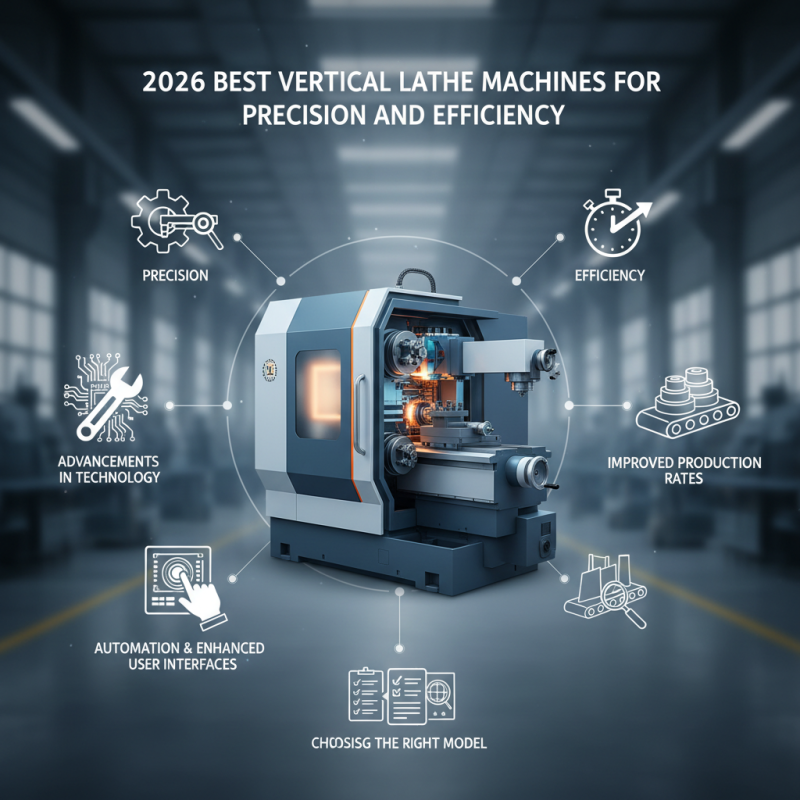
The 2026 Best Vertical Lathe Machines promise advancements in technology. Features such as automation and enhanced user interfaces are becoming standard. Many users, however, face challenges in adapting to new systems. It may take time to fully exploit these modern machines’ capabilities. This journey can be frustrating, yet rewarding.
Investing in a quality vertical lathe can be a game changer. It can ultimately lead to improved production rates. However, choosing the right model is critical. Not all options will suit every business or application. Careful consideration of specifications and operational needs is essential. In this article, we will explore the landscape of vertical lathes available in 2026, focusing on precision and efficiency.
Overview of Vertical Lathe Machines and Their Applications
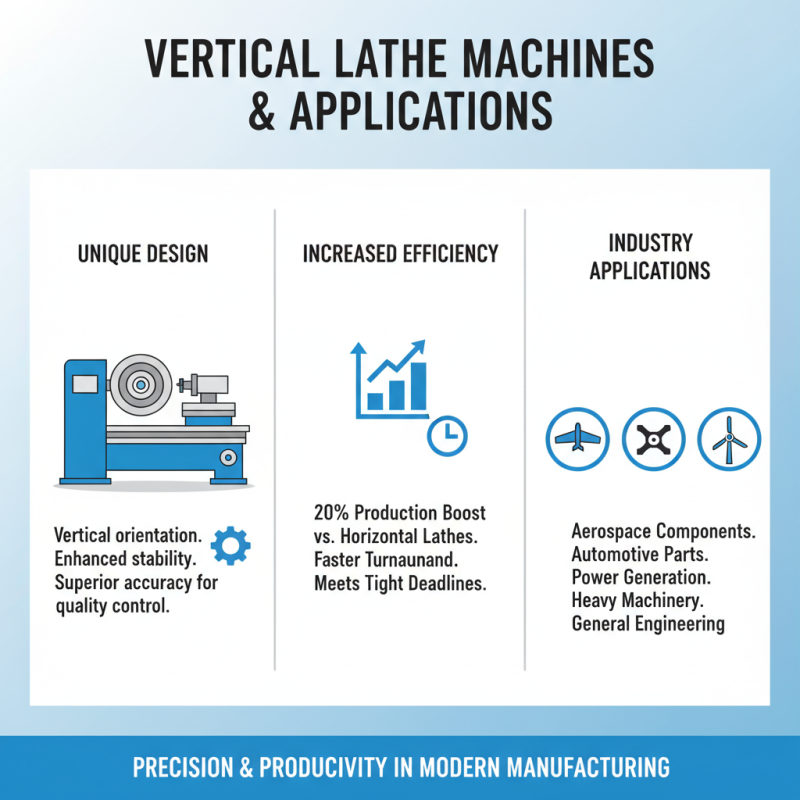
Vertical lathe machines play a crucial role in modern manufacturing. They are essential for precision machining tasks across various industries. The unique vertical design enhances stability during operation. This leads to better accuracy, an essential factor for quality control. According to a recent industry report, vertical lathes offer a 20% increase in production efficiency compared to traditional horizontal lathes. This efficiency is vital for manufacturers aiming to meet tight deadlines.
These machines are widely used in aerospace, automotive, and heavy machinery sectors. They excel in machining large, heavy components. For example, turbine parts and large gears often require the precision that vertical lathes provide. In fact, studies show that vertical lathes can reduce production time by up to 25%. This significant decrease allows businesses to respond faster to market demands.
However, there are challenges with vertical lathe usage. Setup can be time-consuming, leading to potential delays. Operators must ensure correct alignment to avoid costly errors. Regular maintenance is essential to keep these machines running efficiently. Despite these challenges, the benefits often outweigh the drawbacks, making vertical lathes a preferred choice in precision manufacturing.
Key Features to Consider in Vertical Lathe Machines
When choosing a vertical lathe machine, precision and efficiency are paramount. Key features to consider include the machine's build quality and rigidity. A sturdy frame minimizes vibrations, leading to higher precision during operations. Rigidity directly affects the accuracy of cuts. Machines with a solid structure tend to perform better over time, maintaining their precision.
Another essential feature is the control system. Digital controls enhance usability and allow for complex programming. User-friendly interfaces make it easier to set parameters and monitor processes. Features like live tooling and automatic tool changers can also boost efficiency. However, these advancements may add complexity and require thorough training.
Maintenance cannot be overlooked. Regular upkeep is crucial for optimal performance. Machines that are easy to maintain save time and prevent costly breakdowns. Look for designs that offer accessible components for lubrication or replacement. Even with reliable machines, unexpected issues can arise. Always be prepared for troubleshooting.
Top Manufacturers of Vertical Lathe Machines in 2026
In 2026, vertical lathe machines are gaining ground for their precision and efficiency in manufacturing. Several top manufacturers are at the forefront, driving innovation. These companies focus on enhancing machine capabilities, ensuring they meet industry demands. Their designs often incorporate advanced technology, such as automated features and improved ergonomics.
Many manufacturers prioritize quality control and reliability. Their lathes undergo rigorous testing to guarantee consistent performance. These machines, however, still have areas for improvement. Some models may suffer from high maintenance costs or complex setup processes. Additionally, operators sometimes find it challenging to achieve optimal settings for different materials.
Despite these challenges, the demand for vertical lathe machines remains strong. Companies are looking for suppliers that offer not just machines but also support and training. An informed choice can enhance production and reduce downtime. The landscape is competitive, and the best manufacturers will continue to adapt and innovate to meet evolving customer needs.
2026 Best Vertical Lathe Machines for Precision and Efficiency
Performance Comparison of Leading Vertical Lathe Models
In recent years, the demand for vertical lathe machines has surged, driven by their precision and efficiency. Industry reports indicate that vertical lathe machines can improve productivity by 30% when compared to horizontal counterparts. Many manufacturers now focus on enhancing their designs to reduce setup time and improve user interfaces. Some models provide advanced programming options and automation features, which can lead to significant time savings.
Data analysis reveals notable performance differences among leading vertical lathe models. Machines with advanced CNC systems can achieve tolerances of up to ±0.001 mm in material removal. However, not all models consistently maintain these standards in practical applications. Reports highlight that temperature control within the workspace plays a crucial role in achieving precision. Machines lacking effective thermal management may deliver inconsistent results, leading to increased waste and longer processing times.
Additionally, user feedback emphasizes the importance of maintainability in machine design. Some machines require frequent calibration to sustain optimal performance, impacting overall efficiency. Inspecting the ease of access to critical components can reveal how design impacts long-term operations. Without a solid maintenance strategy, even the most technologically advanced machines may underperform. Balancing capability and reliability remains a challenge for manufacturers striving to meet industry demands.
Future Trends in Vertical Lathe Technology and Efficiency
The future of vertical lathe technology is exciting, driven by precision and efficiency. Emerging trends highlight the integration of smart manufacturing techniques. Industry reports suggest that about 30% of companies have begun using IoT in their machining processes. This technology allows for real-time data collection, which enhances productivity.
Advanced automation plays a crucial role in vertical lathe efficiency. According to recent studies, automated lathes can reduce machining time by more than 40%. However, transitioning to fully automated systems poses challenges. Many companies struggle with workforce adaptation to new technologies. Training and skill development are essential to effectively implement these innovations.
Sustainability also shapes the future landscape. Reports indicate that energy-efficient lathes could reduce operational costs by up to 20%. Yet, not all companies are prepared for this shift. Many businesses hesitate to invest in new technologies due to initial costs. Balancing immediate financial concerns with long-term benefits requires careful consideration.
2026 Best Vertical Lathe Machines for Precision and Efficiency
| Model |
Max Turning Diameter (mm) |
Max Turning Height (mm) |
Max Spindle Speed (rpm) |
Motor Power (kW) |
Efficiency Rating (%) |
| Model A |
800 |
600 |
1200 |
22 |
95 |
| Model B |
1000 |
800 |
1500 |
30 |
92 |
| Model C |
1200 |
700 |
1800 |
28 |
90 |
| Model D |
1500 |
900 |
2000 |
35 |
88 |
| Model E |
900 |
750 |
1600 |
25 |
93 |