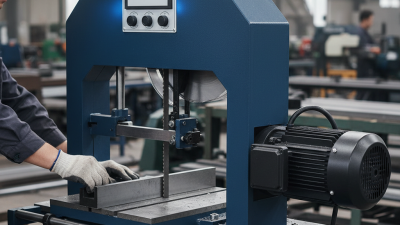
Why You Should Choose a Band Saw for Your Woodworking Projects?
In woodworking, precision is essential. Choosing the right tool can significantly enhance project outcomes. The Band Saw stands out among various tools for its versatility and efficiency. According to a report by Woodworking Network, nearly 70% of professional woodworkers prefer using Band Saws for intricate cuts. This statistic highlights the saw's ability to deliver clean and accurate results.
The design of the Band Saw allows for straight cuts and curves that are difficult to achieve with other saw types. With a range of blade options, it can tackle diverse materials, making it a top choice for craftspersons. However, some users find the learning curve steep, which can lead to frustration. It’s vital to invest time in understanding the tool for optimal results.
Despite its advantages, not all Band Saws are created equal. Quality varies between models, impacting performance. A poorly made saw can lead to uneven cuts and wastage. Therefore, careful selection is paramount. Taking time to research and understand the features of different Band Saws can greatly enhance your woodworking experience.
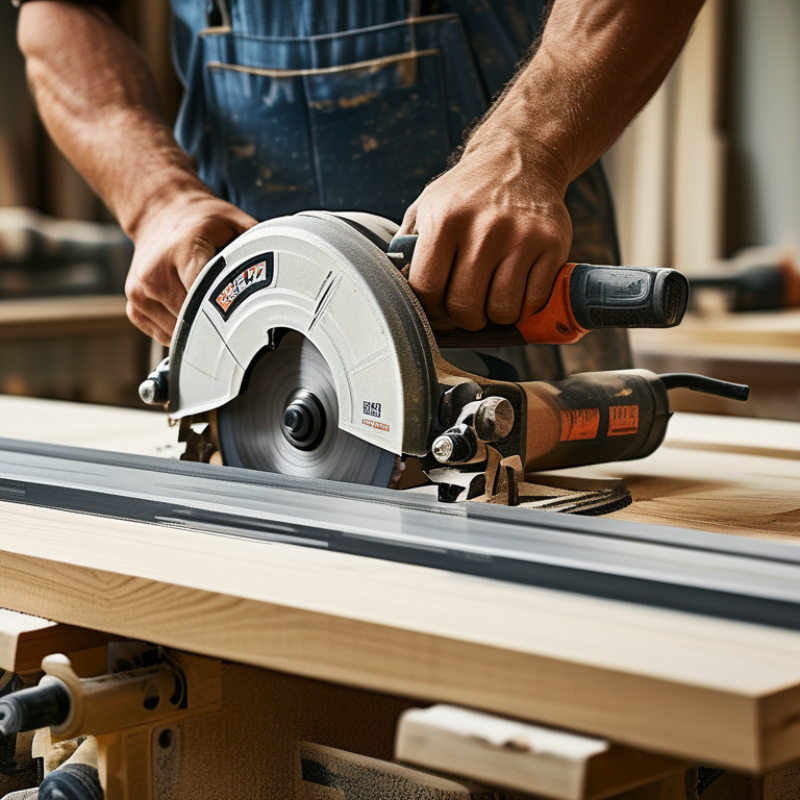
Advantages of Band Saws in Woodworking Projects
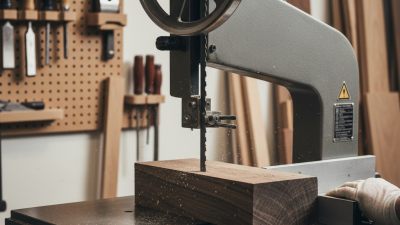
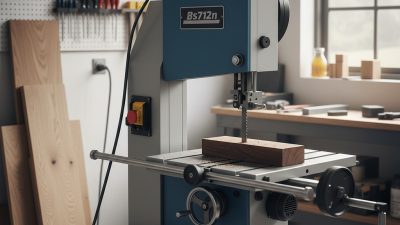
Band saws are invaluable tools for woodworking enthusiasts. They combine versatility and precision, allowing users to perform a variety of cuts. Whether you are creating intricate shapes or resawing lumber, band saws excel where traditional saws may falter. The continuous blade provides a clean cut, reducing the risk of splintering and ensuring smoother edges.
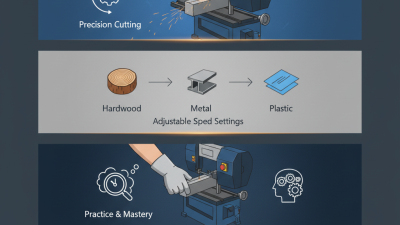
One significant advantage of band saws is their ability to cut curves and intricate designs with ease. This capability opens up new creative possibilities. Additionally, the adjustable blade height makes it easier to accommodate different thicknesses of wood. Users often appreciate this feature during complex projects. However, some may find the learning curve challenging. Mastering the tool takes practice and patience. It's essential to adjust settings carefully for optimum results.
Moreover, band saws generally operate at lower speeds, making them safer for detailed work. This slower pace helps prevent overheating and reduces the potential for mistakes. Yet, it’s important to maintain the blade and other components. A dull blade can lead to frustration. Regular maintenance is crucial for optimal performance. This reflective aspect of woodworking with a band saw emphasizes both the tool's strengths and user responsibility. Good practices during operation enhance the finished product, contributing to the overall craftsmanship.
Versatility: Cuts Diverse Shapes and Sizes with Ease
When it comes to woodworking, versatility is key. A band saw stands out for its ability to cut diverse shapes and sizes with ease. According to a report by the Woodworking Industry Association, over 65% of professional woodworkers prefer band saws for intricate designs. This is largely due to the saw's capacity to navigate curves and patterns, something that traditional saws struggle with.
Using a band saw allows for clean, smooth cuts. This is crucial for projects that require precision. Some experienced woodworkers find that a band saw helps them achieve better results on complex designs. However, it’s important to remember that even the best tools come with a learning curve. Familiarizing yourself with the saw's adjustments can help improve accuracy over time.
Tips for getting the most from your band saw include using proper blade tension. This ensures cleaner cuts. Additionally, always keep the blade sharp. A dull blade can lead to jagged edges and increased effort. Finally, practice on scrap wood to build confidence and technique. Embracing these practices can truly enhance your woodworking journey.
Enhanced Precision: Achieving Accurate Cuts Every Time
When it comes to woodworking, precision makes all the difference. A band saw excels in achieving accurate cuts, which is essential for both novice and experienced woodworkers. According to the Woodworking Industry Association, more than 70% of professional woodworkers prefer tools that enhance accuracy. With its thin blade, a band saw prevents excess material loss while allowing for intricate curves. This capability can transform a simple project into a masterpiece.
Additionally, a band saw's consistent performance is supported by industry research. A study from the National Woodworking Manufacturers Association highlights that using a band saw can increase cutting accuracy by up to 25% compared to other saw types. This sharpness is crucial for joints and edges, which need to be perfect for a clean finish. Many woodworkers report the need to adjust their techniques when moving from table saws to band saws to maintain that precision.
However, achieving this precision doesn't come without challenges. Users often overlook the importance of blade tension. Too loose, and the cuts can veer off; too tight, and the blade can break. Moreover, having the right blade width is vital for specific projects. Understanding these nuances requires practice and reflection. Yet, with patience, the band saw reveals its ability to make every cut count.
Safety Features of Band Saws for Woodworking Enthusiasts
When selecting tools for woodworking, safety is a crucial factor. Band saws stand out due to their unique safety features. The blade is enclosed, minimizing the risk of accidental contact. This protective design is essential for both beginners and seasoned woodworkers. According to a recent report by the Woodworking Machinery Manufacturers Association, injuries from table saws are substantially higher than those associated with band saws.
Another significant feature is the blade guard. It can be adjusted to match the thickness of the material being cut. This feature not only enhances visibility but also protects the user from splintered wood. Studies show that using adjustable guards can reduce injury risks by up to 30%. This adaptability allows users to work with various materials, ensuring both precision and safety.
Moreover, band saws often include a built-in laser guide. This helps in achieving straight cuts and reduces the chances of mishaps. However, it’s important to remember that no tool is accident-proof. Users must remain vigilant and follow safety protocols. Training and proper usage are essential for minimizing risks. By prioritizing safety features, woodworkers can enhance their experience while working on projects.
Why You Should Choose a Band Saw for Your Woodworking Projects
This bar chart illustrates the importance of various safety features in band saws for woodworking enthusiasts. Each safety feature is rated on a scale of 1 to 10, highlighting the relevance of features like blade guard and automatic shutoff in ensuring a safe woodworking experience.
Maintenance Tips for Keeping Your Band Saw in Top Condition
Maintaining a band saw is vital for optimal performance in woodworking. Regular maintenance ensures precision and extends the life of the tool. According to industry studies, neglected tools can lose up to 40% of their operational efficiency. This loss affects project quality and overall productivity.
Blades are crucial components. They should be checked for wear after every use. A dull blade can lead to burning and inaccurate cuts. Keeping replacement blades on hand can minimize downtime. Regularly cleaning blades with appropriate tools can remove resin buildup. This simple step can enhance cutting performance significantly.
Another important aspect is proper lubrication. The wheels of the band saw need to be lubricated regularly to prevent rust. A dry wheel can lead to slippage and poor blade tracking. Furthermore, always check the tension settings. Incorrect tension can cause blade breakage or allow improper cuts. A well-tuned saw operates smoothly and ensures better safety. Engaging in routine checks fosters reliability and preserves the quality of your woodworking projects.
Why You Should Choose a Band Saw for Your Woodworking Projects? - Maintenance Tips for Keeping Your Band Saw in Top Condition
| Feature |
Benefits |
Maintenance Tips |
| Versatility |
Can cut various shapes and angles |
Regularly check blade tension and alignment |
| Precision |
Provides clean and accurate cuts |
Keep blades sharp and clean for optimal performance |
| Safety |
Less risk of kickback |
Always use proper safety equipment |
| Efficiency |
Cuts faster than traditional saws |
Lubricate moving parts regularly |
| Space-saving |
Compact design suitable for small shops |
Dust collection system should be maintained for cleanliness |