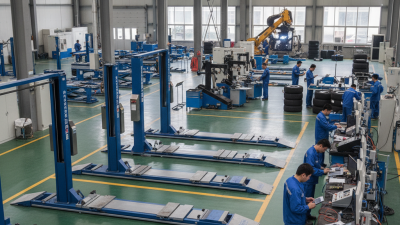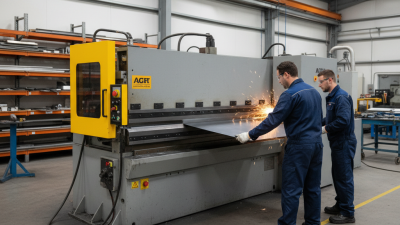
Choosing the right garage equipment is crucial for any business. The equipment you select can greatly influence efficiency and productivity. It’s essential to invest wisely. Good garage equipment enhances operations and improves customer satisfaction. Each tool or machine must align with your specific needs.
Consider the type of services you offer. For instance, a mechanic shop requires automotive lifts, air compressors, and diagnostic tools. Quality matters. Cheap equipment often fails, leading to costly downtime. Analyze potential purchases carefully. Research various brands and seek reviews from trusted professionals. Experience shows that reputable brands typically offer better warranties and support.
Reflect on your space constraints. Not all equipment fits neatly into every garage. Some businesses underestimate storage needs, causing clutter and inefficiency. Plan your layout before making purchases. The right garage equipment can transform your workspace. It deserves thoughtful consideration and detailed planning.
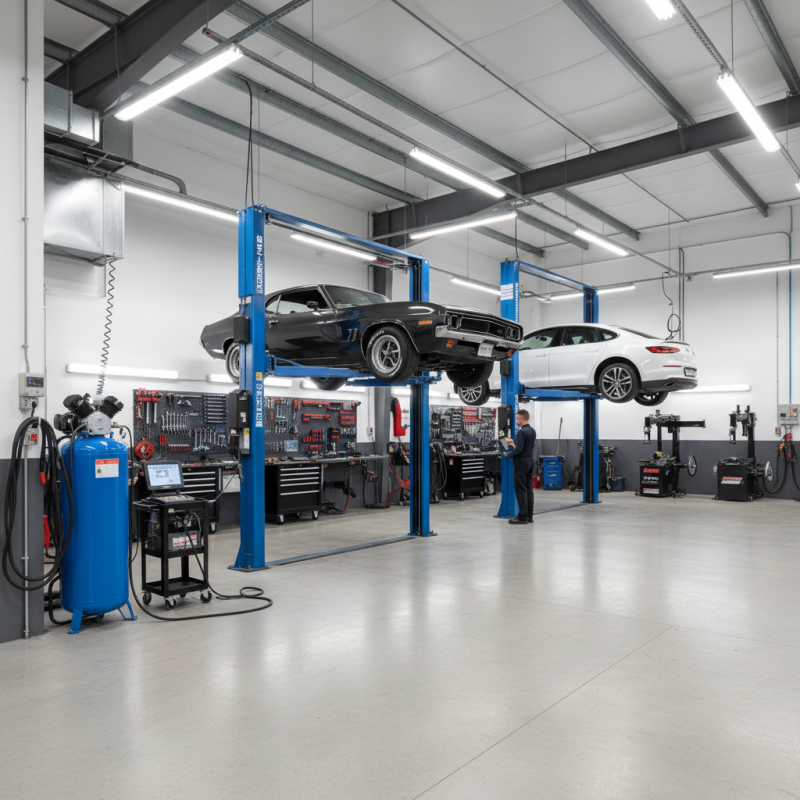
Choosing the right garage equipment is essential for any business. Understanding your specific needs and available space can guide this decision. According to a recent industry report, optimizing your workspace can increase efficiency by up to 30%. Start by assessing the type of services you offer and the equipment required. Will you focus on automotive repairs, or perhaps storage solutions? Each function demands different tools.
When evaluating your garage space, consider its dimensions and layout. A congested area can hinder work processes. A well-organized space enhances productivity. Measurements should inform your equipment choices. For instance, hydraulic lifts require ceiling height for optimal use. It’s crucial to avoid oversizing equipment that may not fit.
Tip: Create a floor plan before purchasing. This visual guide helps in mapping out equipment placement. It's also wise to factor in future growth. Your garage can evolve in response to changing business landscapes. Even small adjustments to your layout can lead to better workflow.
Tip: Regularly reassess your setup. How is your current equipment serving you? Small changes can make a big impact. Be open to the idea that what worked before may no longer be efficient. Regular evaluations can identify areas needing improvement.
| Equipment Type | Purpose | Space Requirements (sq ft) | Estimated Cost ($) | Maintenance Frequency |
|---|---|---|---|---|
| Car Lift | Vehicle maintenance and repairs | 100 | 2,500 | Monthly |
| Tire Changer | Changing and balancing tires | 50 | 1,200 | Bi-Monthly |
| Air Compressor | Powering pneumatic tools | 30 | 800 | Quarterly |
| Diagnostic Scanner | Vehicle diagnostics and troubleshooting | 20 | 1,000 | Annually |
| Tool Cabinet | Storing tools and equipment | 25 | 500 | As needed |
Selecting the right garage equipment is crucial for your business’s efficiency. Begin by identifying your specific needs. Different operations, like auto repair or maintenance, require varied tools. Consider essential equipment types, such as lifts, compressors, and diagnostic tools. Each tool plays a unique role in your workflow.
While lifts enhance vehicle access, ensure they fit the types of vehicles you service. Inspect their capacity and safety features. Compressors are vital for pneumatic tools. Choose one that meets your daily demands without excessive noise. Diagnostic tools help identify vehicle issues accurately. Invest in reputable models for reliable readings.
However, not every piece of equipment may fit your budget or space. Reflect on your operational layout to optimize space usage. Sometimes, prioritizing tools can lead to gaps in performance. Evaluate used equipment options critically. While they may save money, ensure they meet safety and efficiency standards. Your choices should balance cost with functional needs.
This chart illustrates the importance of various types of garage equipment for optimal business performance. The data is based on the efficiency and utility ratings of essential garage equipment types.
When selecting garage equipment for your business, quality and durability are crucial. High-quality equipment often translates into better performance and longer lifespan. Look for materials that withstand daily wear and tear. Steel components, for instance, tend to offer more durability compared to plastic. Investigate warranty options, as reputable manufacturers often back their products with solid guarantees.
Tips: Always read user reviews. They provide insights on durability over time. Consider equipment that requires less frequent repairs. This prevents workflow disruptions. Select tools that come with maintenance guides. Regular care extends your equipment’s life.
Another aspect to assess is usability. Equipment should meet your specific needs without compromise. A tool that looks robust but is complicated can lead to inefficiencies. Ensure it can be operated by your team without extensive training. Simplicity often correlates with reliability, as overly complex machinery can break down more easily.
Tips: Test equipment before purchase. Check for comfort during use. Hand feel can indicate how it will hold up in the long run. Ensure you can source replacement parts easily. This saves time if repairs become necessary.
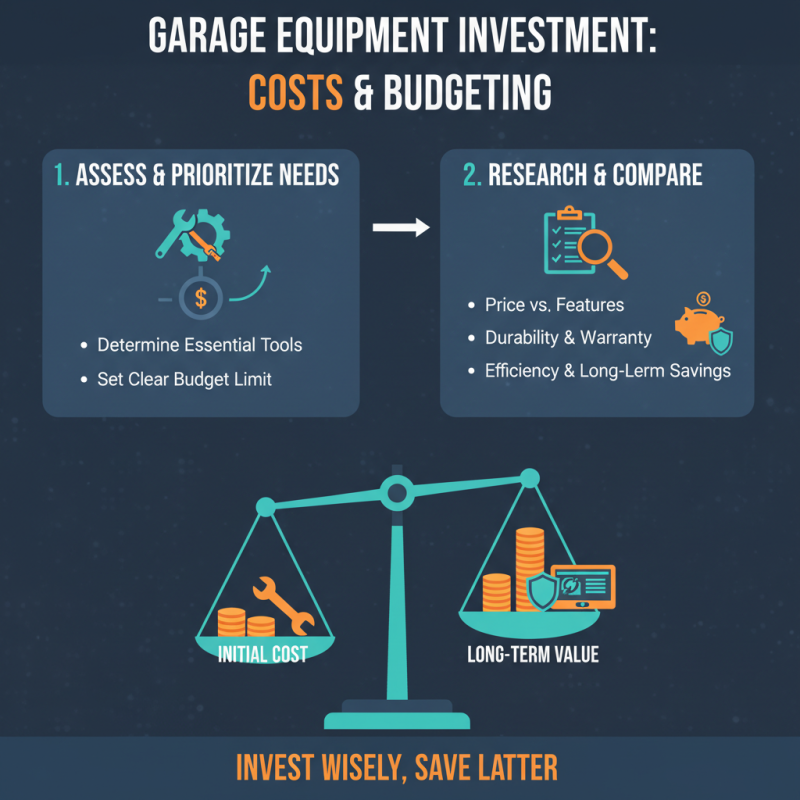
When planning to invest in garage equipment, understanding costs is crucial. Start by assessing your needs and priorities. This will establish a clear budget. Specific tools and equipment vary in price, so research thoroughly. Compare features, durability, and efficiency against their costs. A high initial investment may save on repairs later.
Don’t overlook hidden expenses. Installation, maintenance, and training are often overlooked. These can add up significantly to your total investment. Also, consider financing options or second-hand equipment. Balancing quality and cost is essential.
Set realistic expectations. A tight budget might tempt you to compromise on quality. This could lead to costly repairs or replacements. Reflect on past purchases; did you choose based on costs alone? This time, learn from those experiences. Investing wisely means valuing reliability over a lower price.
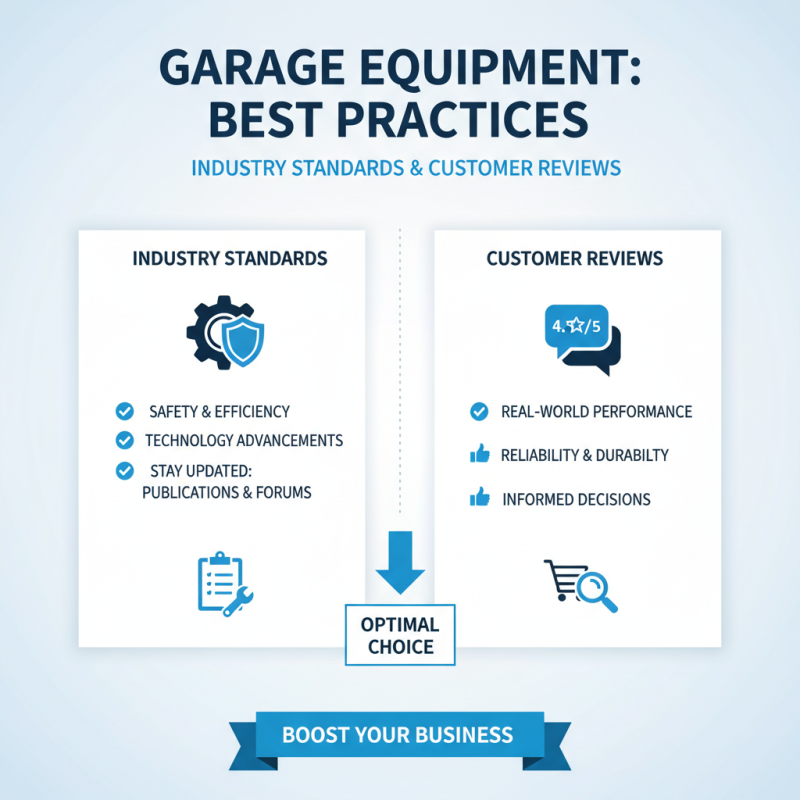
When choosing garage equipment, it's vital to consider industry standards. These standards ensure safety and efficiency. As technology advances, equipment offerings evolve. Staying updated on these standards can help your business thrive. Industry publications and online forums often provide insights into the latest advancements and best practices.
Customer reviews are another essential element. They can reveal common issues and benefits that may not be apparent in specifications. Pay attention to reviews from professionals in your field. A few negative reviews can signal potential problems with durability or functionality. Balance these with positive feedback before making decisions.
Tips:
- Always verify reviews from multiple sources. This adds credibility to the feedback.
- Look for equipment that has passed rigorous safety tests. It reflects reliability and quality.
- Don't overlook user manuals and safety guidelines. They can provide critical insights into equipment usage.
Remember, investing in the right garage equipment is crucial for productivity. Reflect on your specific needs and how different equipment can meet them. The more informed you are, the better choices you will make for your business.