How to Choose the Best Milling Machine for Your Business?
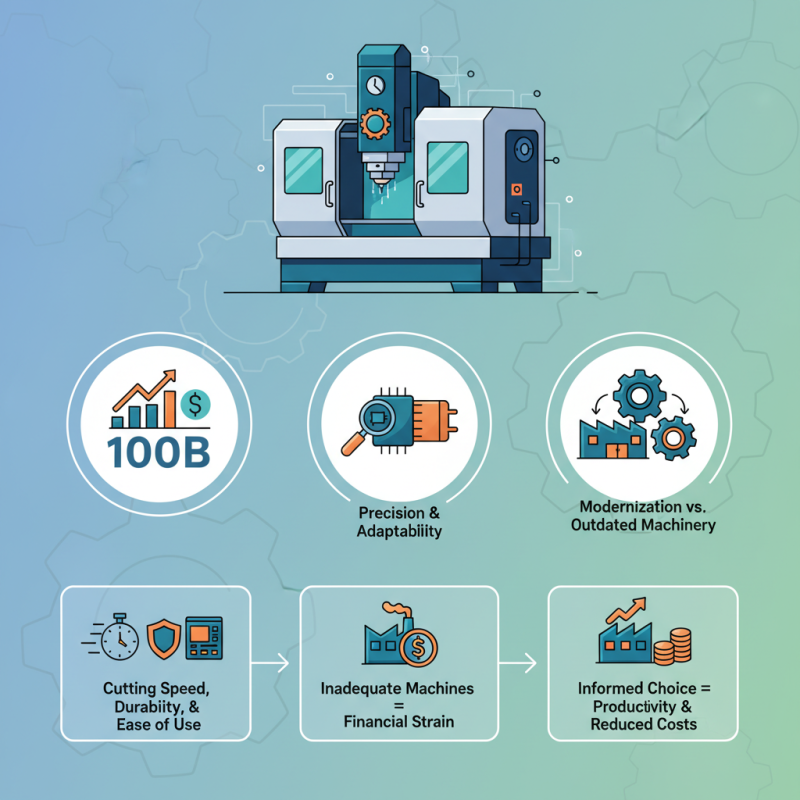
Choosing the right Milling Machine is crucial for business success. The global milling machine market is expected to reach $100 billion by 2025, highlighting its importance in various industries. Selecting the best milling machine can transform production efficiency and product quality.
Industry reports indicate that precision and adaptability are key factors in today’s market. Companies often struggle with outdated machinery that cannot meet demands. Investing in modern Milling Machines ensures companies stay competitive. However, not all machines are alike. Variability in features and specifications can be overwhelming for decision-makers.
Evaluating machine capabilities requires thorough understanding. Considerations like cutting speed, durability, and ease of use are vital. Many small businesses risk financial strain by choosing inadequate machines. A well-informed choice can enhance productivity and reduce operational costs in the long run.
Understanding Your Business Needs for a Milling Machine
Choosing the right milling machine for your business requires a clear understanding of your specific needs. Start by assessing the types of materials you will be working with. Is your focus on metals, plastics, or something else? This determines the machine's specifications and capability. You should also consider the volume of production. High demand may require a machine with greater speed and efficiency.
**Tips**: Always evaluate your workspace. The size and weight of the milling machine matter. Ensure that your facility can accommodate the machinery and has the proper utilities. Effective ventilation and power supply are crucial for smooth operations.
Understanding the skill level of your operators is another vital aspect. If your team has limited experience, simpler models might be more effective. Conversely, advanced operators can handle complex machines, which offer greater versatility. This alone can influence your final choice.
**Tips**: Consider maintenance requirements. Machines that demand excessive upkeep can disrupt operations. Regular training for staff can help avoid mistakes and enhance productivity. Reflect on these factors thoroughly; they can significantly impact your business's efficiency and success.
Factors to Consider When Choosing a Milling Machine
The chart above displays the importance ratings of various factors to consider when choosing a milling machine. Each factor is rated on a scale of 1 to 10, indicating how critical they are for business needs.
Key Features to Consider When Selecting a Milling Machine
When selecting a milling machine, it's crucial to identify key features that meet your business needs. One primary aspect is the type of milling machine. Vertical and horizontal machines serve different purposes. According to a 2022 industry report by Grand View Research, the global milling machine market is expected to grow at a compound annual growth rate (CAGR) of 5.2% from 2023 to 2030. This data underscores the importance of making informed decisions.
Another essential feature is the spindle speed. A higher spindle speed allows for versatility in cutting materials. For instance, machines with a speed of 10,000 RPM or more are suitable for intricate designs and finer cuts. Still, insufficient speed might limit your operations, warranting a careful evaluation. Not all projects will benefit from the fastest speed, so understanding your production needs is vital.
Additionally, consider the machine's size and weight. A heavier milling machine provides stability but reduces flexibility. Conversely, lighter machines are easier to move and reconfigure, yet may not withstand heavy use. Balancing these factors ensures you invest wisely. Always think critically about how each feature aligns with your production goals. The right combination is key to maximizing efficiency and output.
How to Choose the Best Milling Machine for Your Business? - Key Features to Consider When Selecting a Milling Machine
| Feature |
Description |
Importance |
| Spindle Speed |
The maximum speed at which the spindle can rotate. |
High spindle speeds are essential for improving machining efficiency. |
| Table Size |
The dimensions of the milling table, which determine the size of workpieces that can be accommodated. |
Larger tables allow for bigger projects and more versatility. |
| Power Rating |
The power output of the machine, usually measured in horsepower. |
Higher power ensures the machine can handle tougher materials. |
| Control System |
The interface and software used to operate the milling machine. |
User-friendly controls reduce training time and increase productivity. |
| Feed Rate |
The speed at which the workpiece is fed into the cutter. |
A suitable feed rate is crucial for surface finish and tool life. |
| Weight |
The total weight of the milling machine, affecting stability. |
Heavy machines provide better stability, especially during high-speed operations. |
| Tool Compatibility |
Types of cutting tools that the milling machine can use. |
Compatibility with various tools enhances flexibility in operations. |
Types of Milling Machines and Their Applications
When selecting a milling machine for your business, understanding the different types and their applications is crucial. There are three main categories:
vertical milling machines,
horizontal milling machines, and
CNC milling machines. Each serves specific purposes in manufacturing processes.
Vertical milling machines offer versatility for various tasks, from cutting to drilling. Reports indicate that over 40% of manufacturers favor these machines for their ease of use and precision. Meanwhile,
horizontal milling machines are designed for heavier and more efficient cutting operations. These machines are often preferred for large batch productions due to their ability to handle multiple cuts simultaneously.
CNC milling machines are taking the industry by storm. They provide automation, improving accuracy and reducing labor costs. Recent studies show a 30% increase in production efficiency with CNC technology.
Tips: Consider your production volume and material types when choosing a machine. Evaluate the technological advancement of CNC options versus traditional methods. Reflect on the unique needs of your operations, as this will guide you to the best choice. Not all machines fit every application; understanding the nuances can lead to better decision-making.
Budgeting for Your Milling Machine Investment
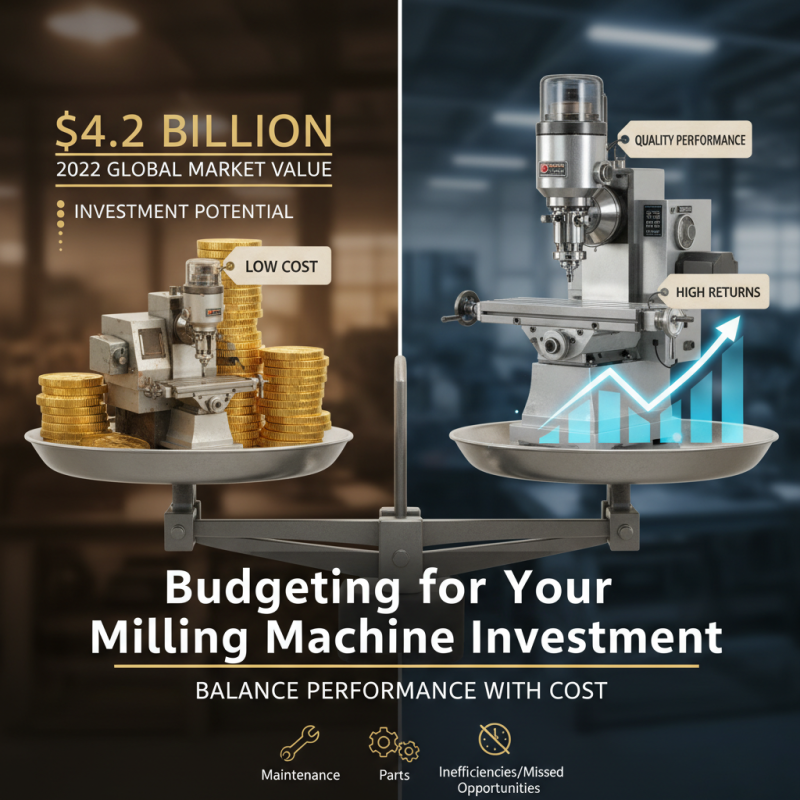
When budgeting for a milling machine, understanding the market is crucial. In 2022, the global milling machine market was valued at approximately $4.2 billion, indicating robust growth potential. This growth suggests that investment in quality machines can yield high returns. It’s essential to balance performance with cost. A less expensive option may seem appealing now, but hidden costs often arise. Maintenance, parts, and missed opportunities from inefficiencies can add up.
Consider operating costs beyond the initial purchase price. According to industry reports, energy consumption can be a significant expense. Machines with good energy ratings have lower ongoing costs. Data shows that operation and maintenance can account for nearly 40% of total lifetime expenses. Assess how long you plan to use the machine. A short-term solution can mean higher expenses in the long run if frequent replacements are necessary.
Research is key to knowing what features matter for your specific business needs. Not all features will provide value for every application. Evaluate your production demands before making a decision. Spending too much on unnecessary features can lead to regret. Consult industry benchmarks to ensure you’re making a well-informed choice. Balancing budget, efficiency, and performance is a meticulous process.
Maintenance and Support Considerations for Milling Machines
When selecting a milling machine, maintenance and support must play a crucial role in your decision-making process. According to industry reports, nearly 30% of machinery downtime occurs due to inadequate maintenance. Regular and thorough upkeep significantly boosts the longevity and performance of milling machines. Operators should familiarize themselves with what routine checks are necessary. These can include monitoring spindle bearings, coolant levels, and regular cleaning to prevent chip accumulation.
Furthermore, access to reliable support enhances machine productivity. A significant 75% of manufacturers reported that efficient technical support helps minimize operational delays. Consider the availability of service technicians and the quality of customer support when choosing a machine. Ask potential suppliers about their training programs, warranties, and response times to service requests. These factors can impact your overall operation efficiency and lead to more informed decisions when issues arise.
It’s also worth reflecting on your team’s skillset. A skilled technician can significantly improve maintenance practices. Investing in employee training increases their capability to identify problems early. This proactive approach can reduce costs associated with unexpected repairs and extend the machine's service life, which is critical in today’s competitive landscape.