How to Choose the Right Milling Machine for Your Business?
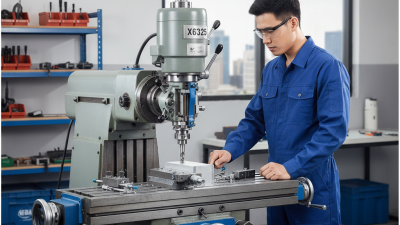
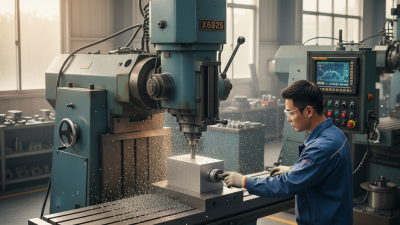
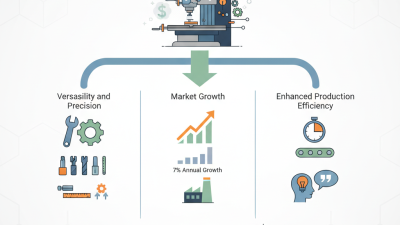
Choosing the right milling machine can shape the future of your business. In 2021, the global milling machine market was valued at approximately $60 billion, with a projected growth rate of 5% annually. This impressive figure underscores the significance of selecting an efficient machine that meets specific manufacturing needs. A well-chosen milling machine can enhance productivity and reduce operational costs.
Milling machines come in various types, each designed for specific tasks. When considering your options, factors such as size, power, and precision must be evaluated. The demand for high-precision components has surged in industries like aerospace and automotive. With advances in technology, modern machines offer features like CNC capabilities, which can be a game-changer for businesses aiming for efficiency.
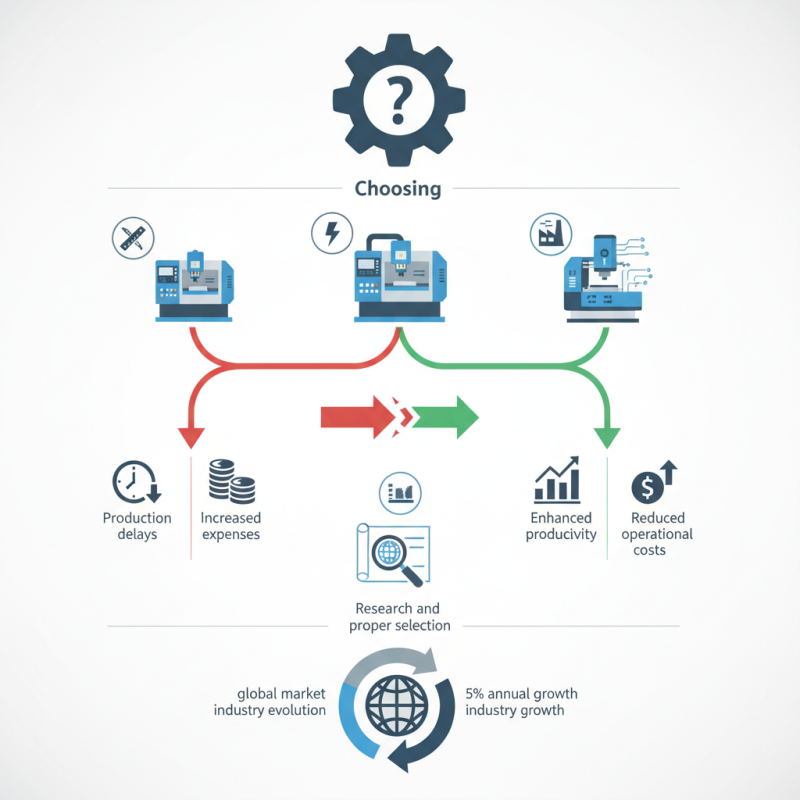
However, many businesses overlook the importance of proper selection. A mismatched machine can lead to production delays and increased expenses. Reflect on your current needs and future expectations carefully. Don’t rush the decision-making process. Investing time in research can provide a significant return on investment. As the industry evolves, staying informed will ensure your choice aligns with emerging trends.
Factors to Consider When Selecting a Milling Machine for Production
Choosing the right milling machine for your business is crucial. There are several factors to consider. A critical aspect is the material you will be machining. Different materials require different types of milling machines. For example, softer metals may need a different setup than harder materials. Evaluate your typical workload and machine requirements carefully.
Another important factor is the machine's size and versatility. A machine that is too large may limit your workspace. Conversely, a smaller machine might not handle larger projects. Think about future growth too. Will your business expand? If so, invest in a more versatile machine now, rather than facing limitations later.
Tips: Always examine the machine's precision levels. Small variations can affect overall production quality. Check user reviews and seek expert opinions; they often highlight real-world performance.
Consider your budget but don’t compromise on quality. A cheap option may seem appealing, yet it could lead to higher maintenance costs. In the long run, a reliable machine saves money and time. Understand that every milling machine has a learning curve. Take time to train your staff. Investing in proper training can maximize the machine's potential, leading to better results.
How to Choose the Right Milling Machine for Your Business? - Factors to Consider When Selecting a Milling Machine for Production
| Factor |
Description |
Importance |
Recommended Machine Type |
| Material Type |
What materials will be milled (metal, wood, plastic)? |
High |
CNC Milling Machine |
| Production Volume |
How many units will be produced daily or weekly? |
High |
Vertical Milling Machine |
| Budget |
What is the financial capacity for purchasing a machine? |
Medium |
Manual Milling Machine |
| Space Availability |
How much space is available for the machine setup? |
Medium |
Compact Milling Machine |
| Ease of Use |
How user-friendly is the machine for operators? |
High |
CNC Milling Machine |
| Precision Requirements |
What level of accuracy is required for the finished products? |
High |
High Precision Milling Machine |
Understanding Different Types of Milling Machines and Their Applications
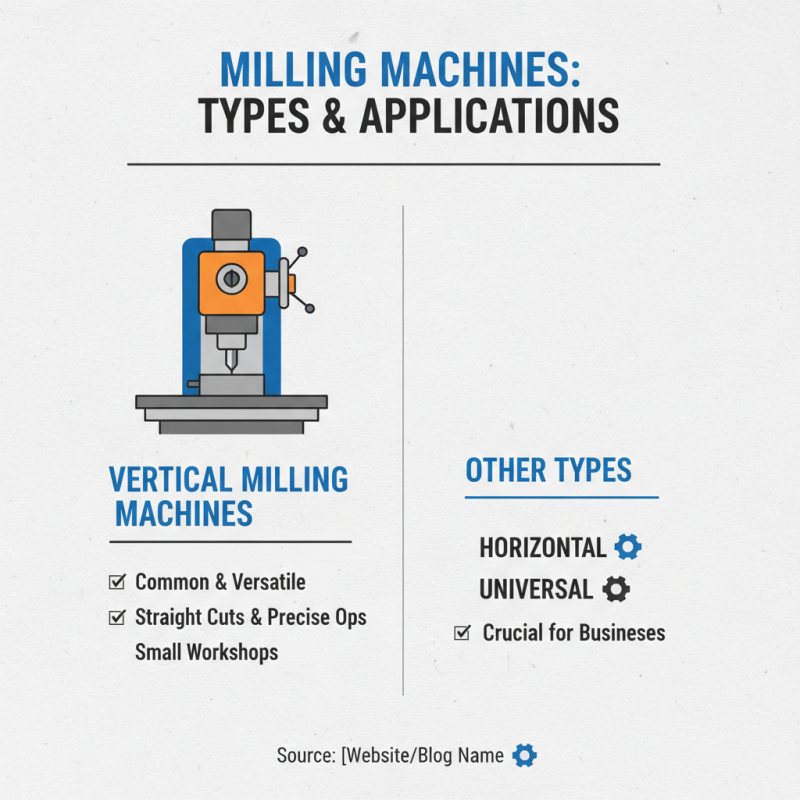
Milling machines come in various types, each serving unique applications. Understanding these differences is crucial for businesses. Vertical milling machines are common and versatile. They work best for straight cuts and precise operations. Ideal for small workshops, they offer ease of use and maintenance.
Horizontal milling machines are larger and better suited for heavy-duty tasks. Their design allows for greater stability and efficiency with larger workpieces. These machines excel in high-volume production settings. However, they require more space and can be more complex to operate.
CNC milling machines bring automation into play. They enhance precision and reduce manual labor, but initial setup can be challenging. Businesses must weigh the benefits against the learning curve involved. Ultimately, the right choice depends on specific project needs, budget, and available space. Reflecting on these factors can lead to a more informed decision.
Evaluating Milling Machine Specifications: Power, Speed, and Controls
Choosing a milling machine involves understanding its specifications, particularly power, speed, and controls. Power is a critical factor. Machines with higher horsepower can handle tougher materials, which is crucial for demanding tasks. According to industry research, a machine with 10-15 HP can efficiently process steel, while machines with 20 HP or more are suitable for larger operations.
Speed, another vital specification, affects the milling process. High-speed machining (HSM) is gaining traction in the industry. It allows for faster production and improved surface finishes. Many machines operate at speeds exceeding 10,000 RPM, which can significantly reduce machining time. However, operators must be cautious; excessive speeds can lead to tool wear or material integrity issues.
Controls and user interface play a significant role in the usability of a milling machine. Advanced CNC controls enhance precision and ease of operation. They allow for intricate designs and adjustments, but they also require proper training. Misunderstanding the controls can lead to errors and waste. Industry reports indicate that nearly 20% of operational downtime stems from improper settings. Regular training and updates help mitigate these risks.
Cost-Benefit Analysis: Initial Investment vs. Long-term Operational Savings
When selecting a milling machine, a cost-benefit analysis is crucial. Consider the initial investment against long-term operational savings. A high-quality machine may seem expensive upfront but can provide significant savings over time. Lower maintenance costs and higher efficiency can lead to reduced operational expenses.
Breakdowns and repairs can be costly. A cheaper machine might save money initially but could lead to more frequent issues. This results in lost productivity and higher repair costs. Think about the machine’s longevity and parts availability. Investing in a reliable model can enhance productivity.
Analyze energy efficiency, too. A machine that consumes less energy can reduce utility bills. Small changes in energy consumption can add up over years. Additionally, consider the technology involved. Modern machines offer software that optimizes performance. Are you ready to invest in training? Sometimes, the extra effort can lead to even more savings. Keep all these factors in mind to ensure a wise investment.
Assessing the Impact of Milling Machines on Production Efficiency and Quality
Choosing the right milling machine is crucial for enhancing production efficiency and ensuring quality output. The right machine can significantly reduce waste and rework. A poorly chosen machine may lead to lower precision. This impacts both the final product and operational costs. Assessing specific production needs is vital. Consider material types and production volumes.
Tips: Evaluate the features for compatibility with your materials. A machine with adjustable speed settings may improve results. Take maintenance into account. Regular upkeep ensures longevity and efficiency.
Milling machines that excel in precision often come with advanced technology. This can include automated settings that help in reducing human error. However, investing in high-tech machines requires careful budget considerations. A balance between cost and capability is important. On the other hand, older models may lack efficiency despite lower initial costs.
Tips: Always test machines before making a decision. Run samples to compare performance. Gathering feedback from operators can uncover hidden challenges. Quality should never be compromised for speed, which may lead to issues later.
Production Efficiency and Quality Comparison of Different Milling Machine Types