Welcome to our websites!

How to Choose a Milling Machine X6325 for Your Business?

Choosing the right Milling Machine X6325 can shape daily productivity, product quality, and long-term operating costs. This machine is often considered for workshops needing reliable milling, drilling, and light production capabilities. However, model names can hide important differences. Spindle speed, table size, motor power, travel distance, and control design may vary between manufacturers. A careful buyer should inspect the actual specification sheet, not depend on catalog images alone.

The decision should begin with your materials, part dimensions, and expected workload. A steel component requiring repeated side milling needs different capacity from occasional aluminum work. Check whether the table supports your largest fixture comfortably. Measure the available floor space, including room for operators and maintenance access. Ask about spindle accuracy, gearbox durability, warranty coverage, spare parts, and service response times. These details matter when production stops unexpectedly. Do not overlook installation requirements. Electrical supply, lifting equipment, leveling, and operator training all affect the real purchase cost. Some suppliers provide impressive performance figures, yet practical results depend on setup and maintenance. That deserves careful questioning. A useful evaluation also includes sample machining, inspection of surface finish, and a review of safety features. The cheapest option may become expensive after repeated adjustments or delayed repairs. Your final choice should balance capability, reliability, operator skill, and future business growth. It may not be perfect. No machine is. But a transparent comparison can reduce costly surprises and support a more confident investment.

How to Choose a Milling Machine X6325 for Your Business?

Understanding the X6325 Milling Machine and Its Main Functions

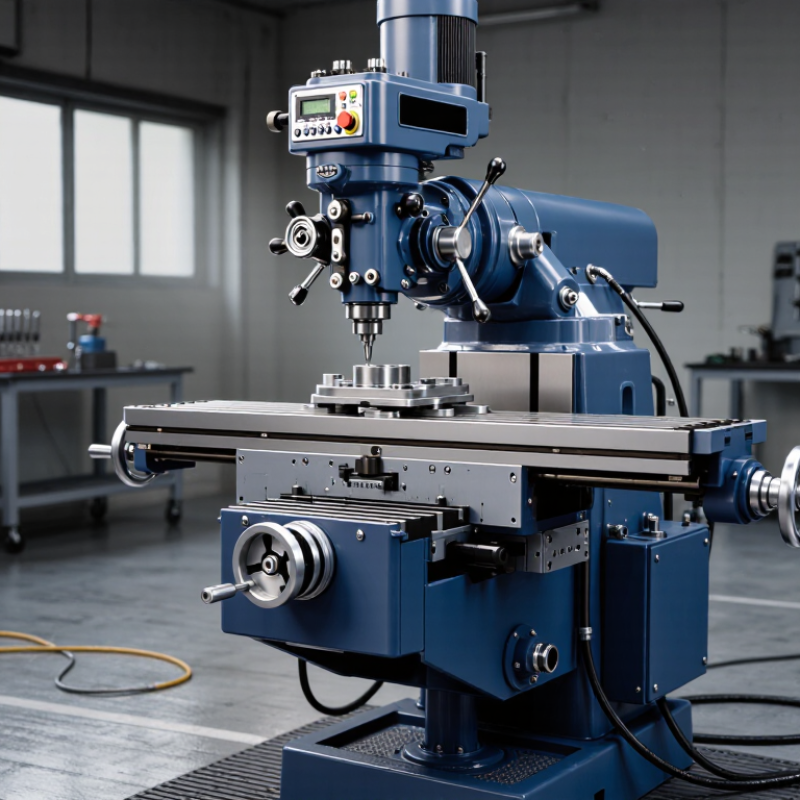
Understanding an X6325 milling machine begins with its working structure. It is commonly a knee-type milling machine with a rigid column, adjustable table, and horizontal or vertical spindle options, depending on configuration. The table supports controlled movement along three axes, helping operators cut slots, faces, shoulders, and simple contours. A typical workshop uses it for repair parts, fixtures, prototypes, and small production batches. Its practical value appears beside the machine, not in a brochure.

From hands-on machine checks, I would inspect table travel, spindle runout, quill movement, and feed smoothness before discussing capacity. A dial indicator can reveal movement that an attractive paint finish hides. Check the motor rating, spindle speeds, tooling compatibility, and electrical requirements against actual jobs. Verify maximum workpiece size, because a long vise or rotary table reduces useful clearance. Power feeds can improve consistency, while manual controls still help during setup and delicate cuts. It is easy to overestimate productivity here.

For business use, ask whether one X6325 can handle your materials, tolerances, and daily workload. Cast iron work may need slower feeds and sharper inspection routines than aluminum. Operators need training in clamping, cutter selection, chip control, and emergency stopping. Maintenance records matter: lubrication points, belts, bearings, and lead screws can decide uptime. Specifications sometimes differ between machines with the same model code, so confirm drawings, test cuts, and service support before purchase. I would leave room for error; early estimates are often too optimistic.

How to Choose an X6325 Milling Machine for Your Business

This chart uses representative specifications for a common X6325 configuration: a 1,270 × 254 mm worktable, approximately 800 mm of longitudinal travel, and approximately 400 mm of cross and vertical travel. These dimensions indicate the available work area and machining envelope; always confirm the final specification before purchase because configurations may vary.

Assessing Your Business Needs Before Choosing an X6325

Before choosing an X6325 milling machine, define the work it must perform. List your materials, part dimensions, tolerances, batch sizes, and weekly cutting hours. Record spindle speed needs, table travel, available floor space, and electrical capacity. A machine that handles steel well may feel excessive for occasional aluminum work. It may also struggle with tight production deadlines.

Labor matters too. The U.S. Bureau of Labor Statistics projects 15% employment growth for industrial machinery mechanics from 2023 to 2033. Skilled maintenance support may become easier to find, but experienced milling operators still require training. Deloitte’s 2024 Global Smart Manufacturing Survey found that 86% of manufacturers expect smart production to improve competitiveness within five years. This does not mean every workshop needs advanced automation. A manual X6325 could remain practical for repair work, prototypes, and short runs. However, the decision should include tooling, inspection equipment, maintenance hours, and operator learning time. No forecast is perfectly clean. Your real order history is stronger evidence.

Tips: Measure three months of actual jobs before purchasing. Compare cutting time, setup time, and rework separately. Ask operators to test sample parts. Leave room for coolant management and chip removal. If most jobs repeat, calculate whether digital readouts or automation would repay their cost. A low purchase price can hide higher labor expenses. Review the numbers again after one week.

Comparing X6325 Specifications, Capacity, and Accuracy

Choosing a Milling Machine X6325 for Your Business

When comparing an X6325 milling machine, start with usable specifications, not the model number alone. Many configurations include a table around 254 × 1,270 mm and longitudinal travel near 800 mm. Check the actual machine plate. Dimensions can differ between suppliers and production years.

Capacity determines whether the machine fits your daily work. A typical X6325 may handle medium steel blocks, aluminum fixtures, and repair components. Look for spindle power near 3 horsepower, suitable speed ranges, and a practical quill stroke. A 40 mm end mill may remove material quickly, but heavy cuts can strain the table and drive system. Test the feed controls under load. Smooth movement matters more than impressive numbers.

Accuracy needs hands-on verification. Ask for spindle runout readings, table flatness results, and backlash measurements on each axis. A dial indicator can reveal movement that a catalog sheet misses. For example, excessive backlash may appear when reversing a 0.05 mm feed. Cut a small test block, then measure its width at several points. I have seen acceptable machines produce uneven surfaces after poor setup. That is not always a machine fault. Leveling, tool condition, coolant, and operator technique also affect results. Do not assume new means perfect. Record inspection results, repeat the test, and leave room for maintenance costs.

Checking Machine Quality, Safety Features, and Maintenance Needs

Choosing an X6325 milling machine requires more than checking its paint and price. Inspect the casting for cracks, uneven joints, and signs of rushed finishing. Run the spindle at several speeds and listen for irregular vibration. Measure spindle runout with a dial indicator. Excessive movement can ruin tolerances before production begins.

Check table travel, backlash, quill movement, and feed consistency under load. A clean test cut is useful, but it can hide problems. I would request repeat cuts using the same material and tooling. Safety matters equally. OSHA 1910.212 requires protection from exposed machine hazards, while ISO 12100 promotes structured risk assessment. Verify guarding, emergency stops, electrical isolation, and clear lockout points. The U.S. Bureau of Labor Statistics continues to report thousands of workplace injuries involving machinery and equipment each year. That makes safety testing practical, not decorative.

Tips: Ask for maintenance records, lubrication schedules, and replacement-part availability. The U.S. Department of Energy’s Operations and Maintenance Best Practices Guide reports that preventive maintenance may reduce costs by 12–18% compared with reactive repairs. Inspect oil ports and grease points yourself. Do not assume operators will remember hidden fittings. A simple checklist helps. It still needs updating. Schedule backlash checks, belt inspections, coolant cleaning, and electrical tests. Keep spare fuses, belts, and critical bearings available, but avoid storing unnecessary parts. A machine can appear reliable while small maintenance delays quietly reduce accuracy.

How to Choose a Milling Machine X6325 for Your Business? — Checking Machine Quality, Safety Features, and Maintenance Needs
Evaluation Dimension Typical X6325 Reference Data What to Inspect or Confirm Priority Recommended Buying Action
1. Machine Quality and Working Capability
Machine type Vertical and horizontal knee-type milling machine with a tilting vertical head on many configurations. Confirm whether the machine includes vertical milling, horizontal milling, or both. Check that the supplied configuration matches the planned workpieces and tooling. High Request a complete configuration sheet before comparing prices.
Table size Common working-table dimensions are approximately 1,120 × 250 mm, although specifications vary by manufacturer and configuration. Measure the actual table, inspect T-slots for damage, and confirm the usable area after the vise, rotary table, or other fixtures are installed. High Choose a table that provides at least 20–30% more working area than the largest planned fixture.
Longitudinal travel Typically around 600–650 mm on many X6325-class machines. Verify measured travel with the table, handwheels, leadscrews, and limit stops installed. Check for tight spots or backlash throughout the full stroke. High Match travel to the largest part length, including clamping and tool-clearance requirements.
Cross and vertical travel Typical cross travel is approximately 250–300 mm; vertical travel is commonly about 350–400 mm. Test movement under load and inspect the knee, saddle, and table ways for scoring, uneven wear, or excessive looseness. High Do not rely only on catalog figures; perform a full-travel inspection or request a test report.
Spindle speed range A typical range is approximately 65–1,800 rpm, with exact steps or variable-speed control depending on the drive system. Listen for bearing noise, check vibration at low and high speed, and verify that speed changes operate correctly. High Select a speed range suitable for both larger cutters and smaller-diameter tools.
Spindle taper and tooling Common configurations use an ISO 40, NT40, or equivalent 40-taper spindle; the exact taper must be confirmed. Confirm taper standard, drawbar size, tool retention method, collet compatibility, and availability of local tooling. High Standardize the taper with existing tools where possible to reduce tooling cost.
Motor power Many machines in this class use a main motor of approximately 2.2–3.7 kW. Check rated voltage, phase, frequency, overload protection, motor condition, and whether the power supply matches the workshop. High Calculate available electrical capacity before delivery and installation.
Accuracy and repeatability Practical results depend on machine condition, installation, tooling, and operator technique; published tolerances must be verified through testing. Use a dial indicator, test bar, precision square, and test cut to evaluate table movement, spindle runout, squareness, and repeatability. High Request an acceptance test using documented measurement methods rather than an unsupported accuracy claim.
Spindle runout A well-maintained precision milling machine should generally show low runout; the acceptable value depends on the spindle and measurement location. Measure runout at the spindle taper and at a certified test bar. Record the gauge type, measuring position, and result. High Set a written runout limit appropriate to the required machining tolerance.
Guideways and leadscrews Dovetail or box-style guideways are common, with manual leadscrews or optional digital readout systems. Inspect way surfaces, gib adjustment, lubrication passages, screw wear, backlash, and movement smoothness. High Reject machines with binding movement, visible pitting, or uncontrolled table play.
2. Safety Features and Workplace Protection
Emergency stop system A clearly identified emergency-stop button should stop hazardous motion quickly and remain latched until manually reset. Test the emergency stop during commissioning and confirm that restarting requires a deliberate reset and start command. High Include emergency-stop testing in the factory and site acceptance checklist.
Spindle and belt guarding Rotating spindles, belts, pulleys, and exposed drive parts should be protected by fixed or interlocked guards. Ensure guards are secure, transparent where necessary, easy to inspect, and difficult to bypass during normal operation. High Do not operate the machine with missing or removed guards.
Electrical safety The control cabinet should include appropriate grounding, circuit protection, overload protection, and clearly identified controls. Verify grounding continuity, cable condition, enclosure integrity, isolation arrangements, and compatibility with local electrical regulations. High Have a qualified electrician inspect the installation before production use.
Table and knee movement limits Positive stops or travel-limit arrangements should prevent accidental overtravel where applicable. Check that stops are adjustable, secure, and positioned without interfering with clamps or fixtures. Medium Use mechanical stops for repeat work and train operators to avoid end-of-travel impacts.
Chip and coolant control The machine should provide practical chip-removal arrangements and, if equipped, a guarded coolant system. Inspect splash protection, coolant hoses, pump operation, drainage, chip trays, and access for cleaning. Medium Select guarding and coolant equipment based on material, cutter size, and cutting-fluid use.
Operator access and ergonomics Handwheels, controls, work lights, and adjustment points should be reachable without placing the operator near rotating parts. Review visibility, standing position, control labeling, lighting, floor clearance, and access for lifting workpieces. Medium Perform a workplace risk assessment before final placement.
3. Maintenance Requirements and Total Ownership
Lubrication system Manual or centralized lubrication may be used for guideways, leadscrews, and other moving components. Identify every lubrication point, lubricant grade, lubrication interval, and method for confirming oil delivery. High Create a daily and weekly lubrication checklist for operators.
Routine maintenance interval Daily cleaning and inspection are normally required; lubrication and adjustment intervals depend on operating hours and workload. Request a maintenance manual covering spindle, gearbox, guideways, electrical parts, coolant, and fastening points. High Estimate maintenance labor and consumables as part of the purchase decision.
Backlash and wear adjustment Adjustable gibs and leadscrew nuts are common service items on manual knee mills. Confirm adjustment procedures, permissible backlash, replacement parts, and whether repairs can be completed locally. Medium Prefer designs with accessible adjustment points and documented procedures.
Spare-parts availability Common replacement items include belts, bearings, switches, fuses, lubrication components, handwheels, and leadscrew nuts. Check lead times, technical drawings, part numbers, and compatibility of standard electrical and mechanical components. High Purchase critical consumable spares before the warranty period ends.
Installation and leveling A rigid foundation, suitable lifting equipment, accurate leveling, and adequate service clearance are required. Confirm machine weight, footprint, floor loading, lifting points, anchor requirements, and recommended leveling tolerance. High Prepare the foundation and lifting plan before shipment.
Documentation and training Essential documents include an operating manual, parts list, electrical diagram, lubrication chart, and safety instructions. Verify that documents are supplied in a language understood by operators and that commissioning or training support is available. Medium Make documentation and operator training contractual deliverables.
Total cost of ownership Purchase cost is only one part of ownership; tooling, electricity, installation, maintenance, downtime, and training also affect cost. Calculate expected tooling investment, power consumption, service costs, replacement parts, and annual operating hours. High Compare machines using a three- to five-year ownership estimate instead of purchase price alone.
4. Final Pre-Purchase Acceptance Checklist
Factory inspection A practical inspection should cover mechanical movement, spindle operation, electrical safety, accessories, and test machining. Record table travel, spindle runout, backlash, noise, vibration, test-cut dimensions, and included accessories. High Use signed inspection records with photographs and measurement results.
Business suitability The machine should support the required material types, part sizes, tolerances, production volume, and operator skill level. Compare actual production requirements with machine capacity rather than selecting solely by model designation. High Approve the purchase only when quality, safety, maintenance, and workload requirements are all met.
Note: X6325 specifications can differ by configuration and production year. The dimensions and ranges above are typical reference values for this machine class and should be verified against the exact technical datasheet, inspection report, and local safety requirements before purchase.

Evaluating Cost, Supplier Support, and Long-Term Business Value

Choosing a Milling Machine X6325 for Your Business

Choosing a milling machine X6325 starts with the invoice, but the invoice is not the whole cost. Compare purchase price with installation, freight, tooling, training, electricity, and routine maintenance. Ask for a written quotation that separates each item. Hidden costs are rarely dramatic. They are persistent. A machine priced lower may need extra setup time or replacement accessories before production begins. Measure your floor space and power supply before negotiating. A costly mistake can begin with a missing socket.

Supplier support deserves the same attention as spindle capacity. Request response times, spare-parts availability, warranty boundaries, and technician qualifications. Ask how faults are diagnosed when production stops on a Friday afternoon. Clear manuals, training records, and documented inspection procedures show operational maturity. Speak with several existing users, if possible, and ask about delayed parts, service quality, and promised delivery dates. Sales confidence is useful, but evidence is safer. Get critical commitments in writing.

For long-term business value, connect the X6325 to actual workpieces, tolerances, batch sizes, and operator skills. Calculate productive hours, maintenance downtime, resale prospects, and payback under conservative demand. Do not rely only on optimistic capacity figures. I once underestimated training time, and the first production week exposed that weakness. That lesson still matters. A durable machine can lose value if workers lack guidance or records. Leave room for uncertainty, because real workshops rarely follow the spreadsheet. Review the decision with a machinist, maintenance lead, and accountant before signing.

Send your message to us:

WhatsApp Online Chat !