What is a Universal Milling Machine and How to Choose One?
In the world of precision machining, a Universal Milling Machine stands out for its versatility. Industry expert John Schmid, a renowned mechanical engineer, emphasizes, "Choosing the right milling machine can make or break your production efficiency." This statement resonates deeply with many manufacturers today.
A Universal Milling Machine offers a multifunctional approach. It allows for diverse operations, such as drilling and shaping. This adaptability is vital in a competitive market. Yet, selecting the correct model requires careful consideration. Not all machines are created equal. Each model has its strengths and potential limitations that need to be evaluated.
Many businesses overlook crucial factors when choosing a Universal Milling Machine. Size, power, and additional features can significantly impact workflow. It's essential to assess your specific needs. Rushing this decision could lead to costly mistakes. Understanding your operational requirements is key to making informed choices.
What is a Universal Milling Machine?
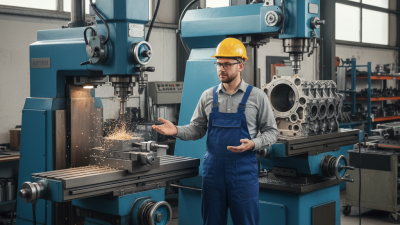
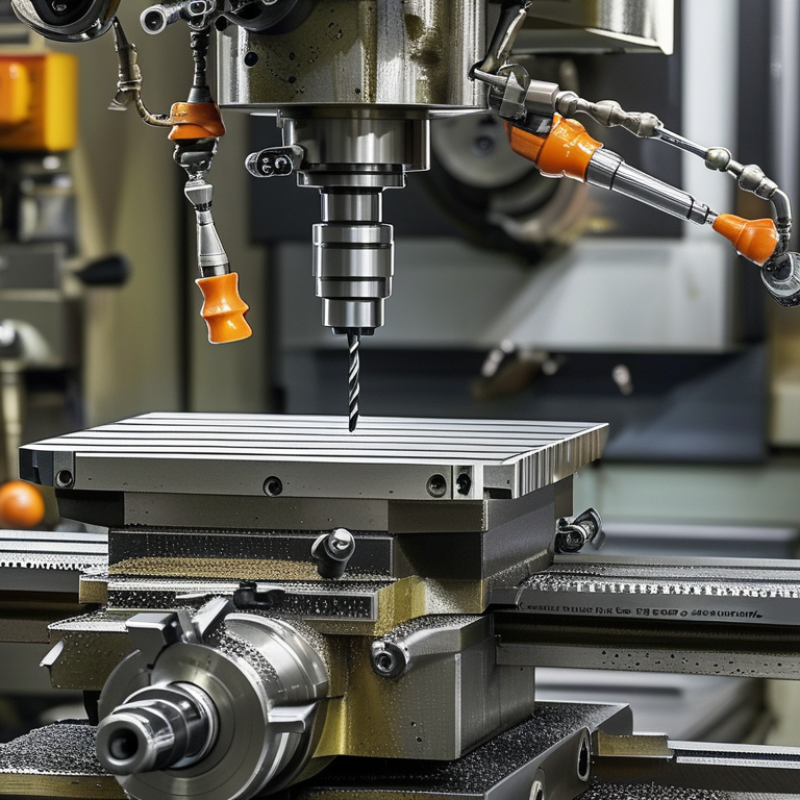
A universal milling machine is an essential tool in various machining applications. This machine can perform multiple functions, making it versatile for different types of work. It typically features an adjustable table and a rotating spindle. This allows for intricate operations like angular cuts, face milling, and slotting. Operators appreciate its ability to switch between tasks easily.
Choosing the right universal milling machine requires careful consideration. Look for specific features that match your needs. Consider the machine's size, power, and speed settings. Inspect the construction quality and ease of operation. Some machines may appear robust but may lack the precision needed for finer tasks.
Moreover, one must evaluate the available accessories. Different attachments can enhance functionality. However, they can also complicate usage. Therefore, reflecting on your specific requirements can save time and prevent frustration. Balancing features and usability is crucial in making the right choice.
Key Components of a Universal Milling Machine
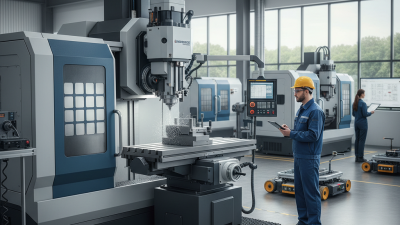
Universal milling machines are essential in modern manufacturing. These machines feature key components that enable versatility and precision in various machining tasks. The primary elements include the milling head, worktable, saddle, and ram. Each part plays a crucial role in the machine's functionality and efficiency.
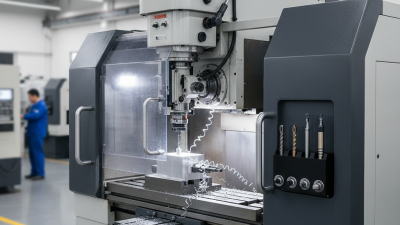
The milling head is responsible for holding and rotating the cutting tool. It allows for angular adjustments, providing flexibility for different milling operations. The worktable securely holds the material being machined. Its size and travel distance affect the size of the workpiece it can accommodate. The saddle provides support and contains the drive mechanisms for the table's motion. Finally, the ram enables vertical movement, enhancing the machine’s versatility.
Tips: Consider the cutting tool options available for the milling head. Evaluate the worktable size based on your typical projects. Don’t overlook the machine's rigidity; it impacts accuracy. Research indicates that nearly 40% of machine operation time is attributed to setup and adjustments. Prioritize machines that allow quick changeovers to maximize productivity.
In contemplating your choice, think about durability and maintenance. An overlooked aspect could lead to increased downtime. Industry reports show maintenance costs can account for up to 15% of operational expenditures. Therefore, selecting a machine with accessible components and reliable support is vital for long-term success.
Advantages of Using a Universal Milling Machine
Universal milling machines are versatile tools in manufacturing. They offer various advantages that enhance productivity and precision. One significant benefit is their ability to perform multiple operations. With adjustable settings, these machines can handle tasks like drilling, boring, and milling. This versatility reduces the need for multiple machines. Consequently, it saves both space and investment.
Another advantage is the ability to work with different materials. Whether it's metal, plastic, or wood, universal milling machines can adapt to various projects. This adaptability makes them ideal for workshops that handle diverse manufacturing tasks. Operators can achieve intricate designs with high accuracy. Additionally, these machines often feature advanced controls, which enhance user experience.
However, there are challenges to consider. The initial investment can be substantial. Maintenance requires skilled personnel, which adds to operational costs. Not all workshops may require the capabilities of a universal milling machine. It's essential to evaluate specific needs before making a purchase. This reflection ensures that the choice aligns with production goals, optimizing efficiency and output.
Factors to Consider When Choosing a Universal Milling Machine
When choosing a universal milling machine, several factors come into play. The machine's capacity, size, and power are critical. For instance, larger projects might require machines with higher horsepower and torque. According to an industry report by **XYZ Machinery Insights**, 70% of manufacturers emphasize the importance of power in their selection process.
The machine's construction and material quality also matter. Steel frameworks often provide better stability than aluminum models. However, they may come at a higher initial cost. Data shows that machines with solid construction can last up to 30% longer than their lighter counterparts. This longevity can translate into cost savings over time.
Precision is another key factor. A universal milling machine’s tolerances can significantly affect production quality. A survey from **ABC Manufacturing Statistics** revealed that over 60% of operators reported issues with precision affecting output. Additionally, ease of use is essential. If operators struggle with controls or setup, productivity drops. Continuous training and familiarization can mitigate these challenges. Thus, selecting the right model should involve a balance between these aspects based on your specific needs.
Universal Milling Machine Comparison
This chart displays a comparison of various universal milling machines based on their cutting speed and maximum table load capacity. The data represents hypothetical values to help you understand the metrics to consider when choosing a milling machine.
Common Applications of Universal Milling Machines in Industry
Universal milling machines are widely used in various industries for their versatility and efficiency. They excel in tasks like producing complex parts, milling keyways, and creating contours. According to a report by Market Research Future, the global milling machine market is expected to grow significantly, driven by rising demands in manufacturing sectors. The ability to handle different materials, including metals and plastics, makes these machines invaluable.
In aerospace and automotive industries, universal milling machines play a critical role. They are essential for creating precision components, which must meet strict industry standards. Reports indicate that about 40% of machining processes in these sectors involve milling operations. Such machinery helps reduce cycle times and improve product accuracy. However, operators must ensure proper tools are selected for specific materials, or inefficiencies may arise.
Additionally, the availability of advanced features in modern universal milling machines, such as computerized controls, enhances productivity. Nevertheless, operators often face a steep learning curve. Adaptation to new technologies is necessary for optimal performance. It's important to conduct thorough research and training before making significant investments in equipment. This approach helps companies maximize their returns while avoiding potential pitfalls in production processes.