Top Hydraulic Press Brake Buying Guide for Global Buyers?
As global industries advance, the demand for high-quality Hydraulic Press Brakes continues to rise. According to a market research report by Allied Market Research, the hydraulic press brake market is projected to reach USD 5.1 billion by 2025, growing at a CAGR of 5.7%. This growth reflects the essential role these machines play in metal fabrication and manufacturing processes worldwide.
James Anderson, a renowned expert in manufacturing technology, emphasizes the importance of investing in efficient machinery. He states, "Choosing the right Hydraulic Press Brake is critical for maximizing production efficiency and quality." This highlights the necessity for buyers to understand their specific needs before selecting equipment.
With various options available, buyers must navigate the complexities of features and specifications. Inadequate knowledge can lead to costly mistakes. Therefore, it’s vital to consider aspects such as tonnage, tooling, and safety features. It’s a challenge that many newcomers face. Ensuring the right investment can significantly enhance overall operational capability.
Understanding Hydraulic Press Brakes: Types and Applications
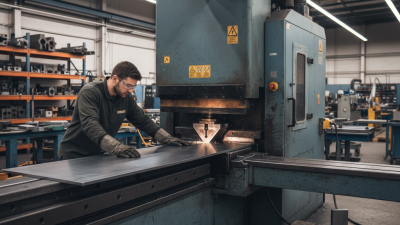
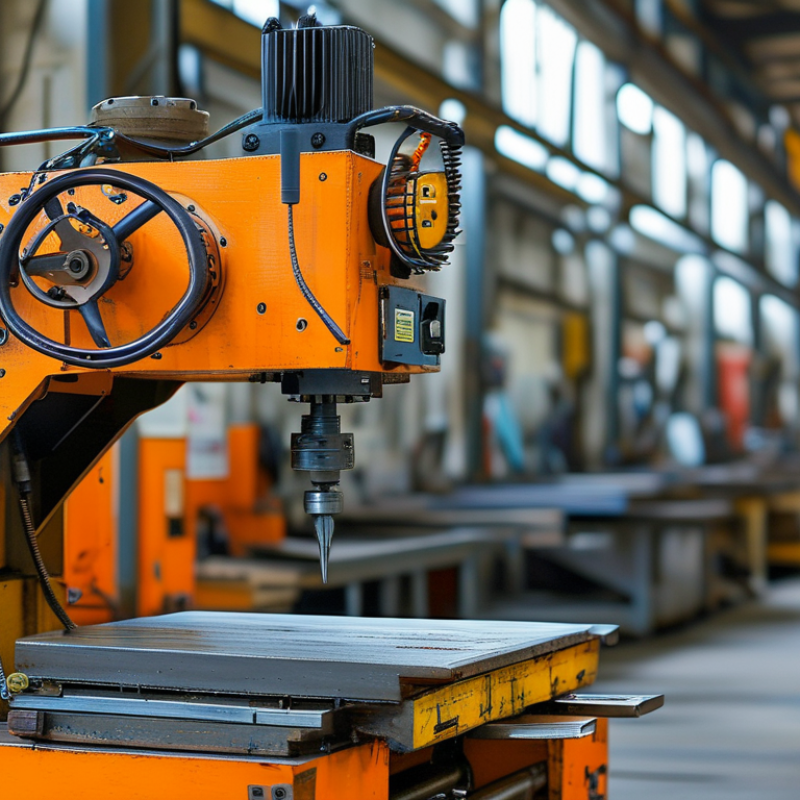
Hydraulic press brakes are essential in metal forming. These machines bend and shape sheets of metal with precision. Understanding the types of hydraulic press brakes can help buyers make informed decisions. Common types include standard, tandem, and CNC press brakes. Each serves unique applications, from simple bends to complex shapes.
Expert knowledge is crucial for selecting the right machine. For example, consider the maximum bending length and capacity needed. This choice affects production efficiency and quality. Pay attention to structural design, which impacts durability. A well-designed press brake lasts longer and requires less maintenance.
When exploring options, reflect on your specific needs. Assess the workpieces you handle daily. Do you require high speed, or is precision paramount? Analyze your workspace limitations, like power supply or floor space. Proper evaluation makes a significant difference in productivity. Choose a hydraulic press brake that aligns with your operations.
Key Features to Consider When Buying a Hydraulic Press Brake
When purchasing a hydraulic press brake, several key features warrant close attention. Capacity is paramount; it refers to the maximum bending strength. A report by Grand View Research states that the global press brake market is projected to reach $4 billion by 2027, showing growing demand. A properly chosen capacity ensures efficiency and longevity in various manufacturing processes.
Accuracy is another critical factor. Precision engineering is essential for components that fit together seamlessly. A hydraulic press brake should have an accuracy level of at least ±0.01 mm. In industries where detail matters, even slight deviations can lead to costly redoing.
Consider the control system too. Modern hydraulic press brakes often utilize CNC controls, enabling automated adjustments and better repeatability. However, relying solely on automation can lead to oversight. Regular manual checks are vital to maintaining quality.
Lastly, evaluate safety features carefully. Many hydraulic press brakes incorporate emergency stop functions and anti-tie-down systems. Yet, a machine's safety is only as good as its usage. Training operators thoroughly can greatly reduce workplace accidents.
Comparative Analysis of Popular Hydraulic Press Brake Brands
When selecting a hydraulic press brake, it’s crucial to understand the strengths and weaknesses of various brands. Different manufacturers offer diverse features that cater to specific needs. For instance, some brands excel in precision, while others focus on durability and ease of use. Every user's priority will vary based on their operational demands.
Performance is essential, but don't overlook service and support aspects. Some brands may have excellent machining capabilities but lack responsive customer service. This gap can lead to challenges when equipment malfunctions. Users should investigate the warranty options and after-sales service before making a purchase. Real-world experiences shared by past buyers can reveal the true reliability of a brand.
Consider the operational costs involved with each option. Often, the cheapest initial price can lead to higher long-term expenses in maintenance and repairs. Reflect on how these machines fit within your production demands. Are you investing in a machine that aligns with your future needs? Balancing cost, performance, and support will help you make a more informed decision.
Tips for Assessing Hydraulic Press Brake Performance and Reliability
When selecting a hydraulic press brake, performance and reliability are paramount. According to industry reports, equipment failure can lead to significant downtimes, costing manufacturers approximately $250,000 annually. Therefore, evaluating key performance indicators is essential for informed decisions.
Consider the tonnage capacity of the press brake. Ensure it aligns with the material specifications. A mismatched capacity can lead to inefficiencies and potential damage. Moreover, check the machine's speed. Faster operation often increases productivity, but balance this with precision.
Regular maintenance records can offer insights into reliability. A machine with a history of frequent repairs may not be the best investment. Inspect the design and construction materials used. Those built with quality steel typically offer longer lifespans. User feedback can also be informative; anecdotes from other buyers often highlight strengths and weaknesses not found in specifications.
Assessing the hydraulic system is crucial. Look for modern hydraulic components that enhance performance. Furthermore, think about energy efficiency. Reports suggest energy-efficient models can reduce operational costs by 20%. Conduct thorough research to avoid the pitfalls of hasty purchases. A methodical approach ensures you choose a press brake that meets your production needs reliably.
Top Hydraulic Press Brake Buying Guide for Global Buyers
| Dimension |
Description |
Performance Metric |
Reliability Rating |
| Working Length |
The maximum length of the material that can be bent. |
Up to 4000 mm |
High |
| Bending Force |
Total force applied to bend the material. |
50 to 300 tons |
Medium |
| Control System |
Type of control system used to operate the press brake. |
CNC and manual options |
High |
| Frame Material |
Material used to fabricate the press frame. |
Steel, Cast Iron |
Very High |
| Angle Accuracy |
Precision of bending angles achieved. |
± 0.5° to ± 1.0° |
High |
| Power Consumption |
Energy efficiency of machine usage. |
5 to 15 kW |
Medium |
Maintenance Best Practices for Maximal Hydraulic Press Brake Longevity
Hydraulic press brakes are essential tools in metal bending and shaping. Proper maintenance is crucial for maximizing their longevity. Frequent inspections are vital. Check for leaks, wear, and lubrication. According to industry reports, regular maintenance can extend equipment life by 30%. It's surprising how often minor adjustments can prevent major failures.
Cleanliness is another overlooked aspect. Dust and metal shavings can accumulate, affecting performance. A clean machine runs smoother and more efficiently. In fact, up to 15% of total downtime in manufacturing can be attributed to dirty equipment. Operators should be trained to perform routine cleaning.
Interestingly, many facilities neglect to document maintenance activities. This oversight can lead to repeated mistakes or missed opportunities for improvement. A maintenance log offers insights into recurring issues. This proactive approach helps identify patterns. Adopting these simple practices can make a significant difference in operational efficiency and equipment lifespan.
Hydraulic Press Brake Maintenance Best Practices