Top Lathe Machine Suppliers in China for Global Buyers?
The global demand for Lathe Machines has surged in recent years. As manufacturers seek precision and efficiency, the best suppliers have become crucial partners. "Quality is the foundation of success in the Lathe Machine industry," says Dr. Emily Chen, a leading expert in manufacturing technology. Her insight highlights the importance of selecting reliable suppliers.
China stands out as a key player in the Lathe Machine market. Its range of suppliers offers diverse options for international buyers. Many companies prioritize innovation and quality. However, not all suppliers meet the high standards expected. In a competitive landscape, it is vital to choose wisely.
Many global buyers face challenges in this selection process. There is a mix of established brands and newer entrants. Evaluating their experience and credibility can be daunting. With careful consideration, buyers can find reputable partners that align with their operational needs. The Lathe Machine sector constantly evolves, and so must the strategies of global buyers.
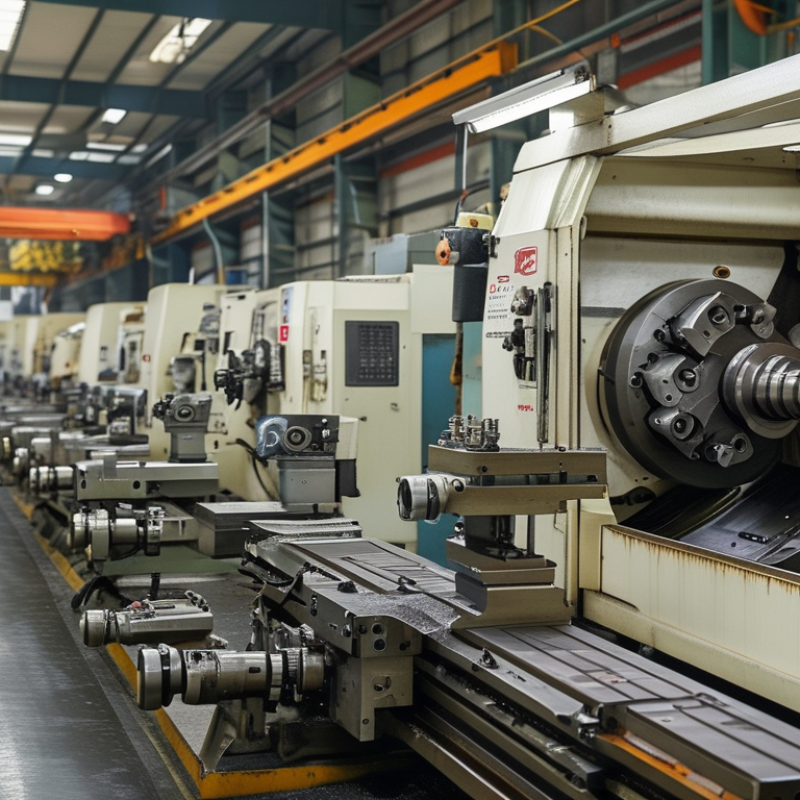
Overview of the Lathe Machine Industry in China
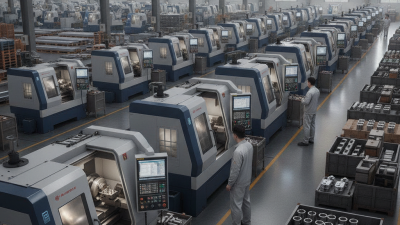
The lathe machine industry in China has seen remarkable growth in recent years. In 2022, China produced over 350,000 lathe machines, marking a 15% increase from the previous year. This surge reflects a rising demand for precision tools in various sectors, including automotive and aerospace engineering. Skilled labor and advanced technology contribute significantly to this production increase.
China's lathe machine exports have also expanded. In 2023, exports were valued at approximately $1.5 billion. This showcases the country's role as a key player in global manufacturing. Despite these achievements, challenges persist. Quality control has been a concern, with some machines lacking durability and precision. Addressing these issues is crucial for maintaining competitiveness in international markets.
The industry is increasingly focusing on automation and smart manufacturing. According to a recent report, nearly 40% of manufacturers are investing in CNC lathe machines. This shift emphasizes efficiency and productivity. However, small and medium-sized enterprises often struggle to adapt to these advanced technologies. Continuous innovation and investment in talent development will be essential for sustaining growth in this dynamic sector.
Key Features and Advantages of Chinese Lathe Machines
Chinese lathe machines stand out in the global market due to their impressive features. Many models offer high precision and reliability. They can achieve tight tolerances, making them suitable for various industries. Additionally, these machines are designed for ease of use, with user-friendly interfaces. Operators often appreciate the straightforward controls and clear displays.
Another advantage of Chinese lathe machines is their cost-effectiveness. They typically present competitive pricing compared to similar machines from other countries. This affordability makes them accessible to startups and small businesses. However, some users report variability in service quality post-purchase. Ensuring proper vendor selection is crucial.
Durability is another key characteristic. Many machines are built with robust materials designed to withstand rigorous use. Despite this, buyers might encounter occasional issues with parts longevity. It’s essential to consider maintenance plans before committing to a purchase. Overall, while there are challenges, the advantages of Chinese lathe machines are significant. They provide value, precision, and flexibility for global buyers.
Top 5 Leading Lathe Machine Manufacturers in China
China is home to many leading lathe machine manufacturers, catering to a vast global market. With the machine tool industry recognized as a key driver of economic growth, the demand for precision and efficiency in lathe technology has surged. According to a report by the China Machinery Industry Federation, the country accounted for over 40% of the global machine tool output in 2022.
Among these manufacturers, several stand out in terms of technology and innovation. They focus on producing high-quality CNC lathes, which enhance productivity while reducing waste. However, the industry faces challenges like fluctuating raw material costs and stringent environmental regulations. These factors can impact the pricing and availability of machines.
While many suppliers offer a wide range of products, buyers must evaluate their specifications carefully. Some manufacturers may lack robust after-sales support, leading to potential difficulties in maintenance. As you explore the options, understanding the specific needs of your projects will ensure a better fit and help avoid overspending on features that do not align with your requirements.
Quality Standards and Certifications for Lathe Machines in China
When sourcing lathe machines from China, it is essential to evaluate the quality standards and certifications that suppliers adhere to. Manufacturers often comply with international norms such as ISO 9001, which indicates a commitment to quality management systems. A factory's certification can speak volumes about their production processes. It's crucial to examine these documents before making any purchasing decisions.
Beyond certifications, the materials and technology used in making lathe machines are equally significant. High-quality steel and precision tools lead to better functionality and durability. Inspection processes should be rigorous. Look for details on how manufacturers test their machines for performance and reliability. This information can provide insight into how well a machine will perform in real-world applications.
Another aspect to consider is after-sales support. Some suppliers may offer technical assistance or training on operating their machines. However, not all provide adequate support. Reading reviews and customer feedback can help identify reliable suppliers. Understanding this can make a significant difference in ensuring a satisfactory purchasing experience.
Top Lathe Machine Suppliers in China for Global Buyers
| Supplier Type |
Quality Standards |
Certifications |
Main Export Markets |
Typical Lead Time |
| Manufacturer |
ISO 9001, CE |
ISO 14001 |
North America, Europe, Asia |
30-45 days |
| Distributor |
ISO 9001 |
CE, RoHS |
South America, Middle East |
60 days |
| Trading Company |
ISO 9001 |
UL |
Australia, Africa |
45-60 days |
| OEM Supplier |
ISO 9001, TS16949 |
ISO 13485 |
Asia, Europe |
30-60 days |
Tips for Global Buyers to Source Lathe Machines from China
Sourcing lathe machines from China can be a complex process. Buyers must understand both the market and the production capabilities. According to recent industry reports, China dominates the global lathe machine market, accounting for approximately 60% of total production. This insight highlights the significance of considering Chinese suppliers for quality and variety.
When searching for lathe machines, consider engaging with reputable manufacturers. Verifying certifications and quality standards is crucial. Research shows that machines from accredited suppliers often meet international performance benchmarks. It’s vital to examine machine specifications and ensure they align with production needs.
Communication plays a key role. Language barriers can lead to misunderstandings. Utilize translation services if necessary. Establish clear guidelines for pricing and delivery timelines to avoid potential frustrations. Many buyers have faced delays due to vague agreements. Detailed contracts can mitigate these risks, fostering a transparent relationship.