What is a Surface Grinder Machine and How Does it Work?
The Surface Grinder Machine is an essential tool in manufacturing. This machine plays a crucial role in achieving precision finishes on metal surfaces. Renowned expert, John Wilson, a veteran in machining technology, states, “A great surface grinder ensures perfect flatness and smooth finishes.”
Surface grinders come in various types, each designed to meet specific requirements. The key to their effectiveness lies in the grinding wheel's ability to remove material with high accuracy. Operators must pay close attention to settings, as even minor adjustments can impact results. Improper use can lead to costly errors and wasted materials.
Understanding how to maximize the capabilities of a Surface Grinder Machine requires both experience and skill. The process is not always straightforward; challenges frequently arise. However, with dedicated practice, operators can master the intricacies of this vital equipment.
What is a Surface Grinder Machine?
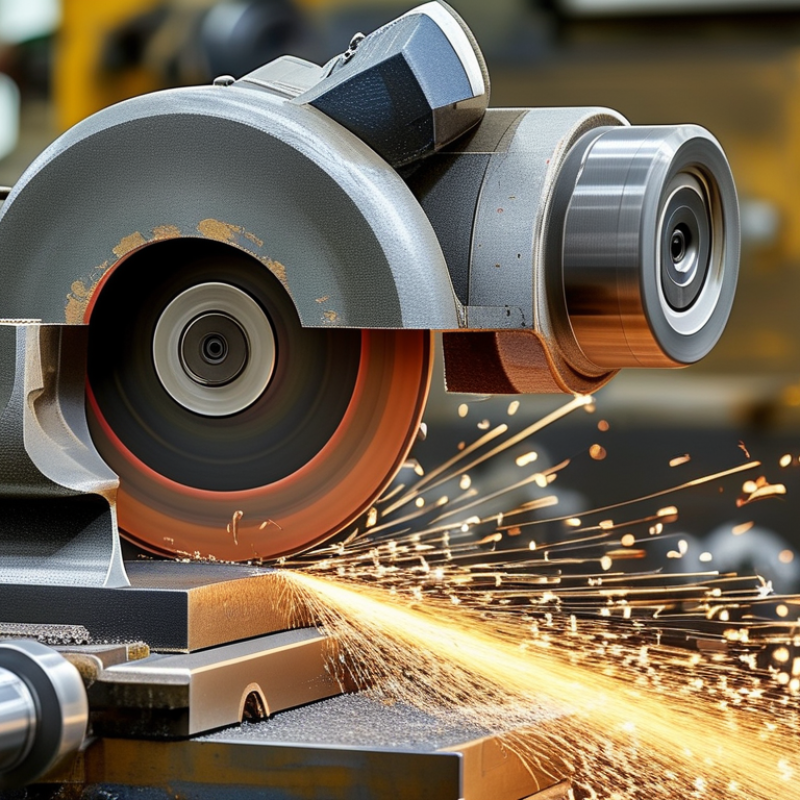
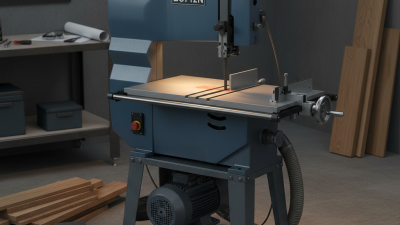
A surface grinder machine is a vital tool in machining operations. It allows for precision grinding of flat surfaces, making it essential in manufacturing. With this machine, operators can achieve a smooth finish on various materials, including metals and ceramics. Typically, a surface grinder uses a rotating grinding wheel to remove material from the workpiece. This process ensures accuracy in thickness and flatness.
The design of a surface grinder includes a table where the workpiece is secured. This table moves in various directions, contributing to the grinding process. The grinding wheel itself spins at high speeds, creating friction that removes material. Users must regularly check the grinder's setup to maintain precision. Overlooking these adjustments may lead to less-than-perfect finishes. In essence, understanding the machine's mechanics is crucial for successful operation.
Operators often face challenges when using a surface grinder. They must manage the wheel's wear and ensure it is properly aligned. Inadequate attention to detail may result in undesirable outcomes. Knowledge of these pitfalls can improve efficiency and product quality. Ultimately, mastering surface grinding requires experience and an eye for detail.
What is a Surface Grinder Machine and How Does it Work?
| Dimension |
Description |
Applications |
| Type |
Horizontal or Vertical |
Metalworking, Tool sharpening |
| Size Range |
From small benchtop to large industrial |
Automotive, Aerospace |
| Grinding Wheel |
Various materials (Diamond, CBN) |
Precision parts, Finishing |
| Power Consumption |
Varies widely based on size |
Manufacturing efficiency |
| Working Principle |
Removes material with a rotating grinding wheel |
Creating flat surfaces |
Key Components of a Surface Grinder Machine
A surface grinder machine is essential in metalworking. Its primary function is to create a flat surface on workpieces. The machine consists of several key components that play a crucial role in its operation.
The table is where the workpiece sits during grinding. It is equipped with precise movement controls to adjust the position. The grinding wheel is another vital component. It shapes the workpiece by removing material using sharp particles attached to its surface. The spindle drives the grinding wheel. Effective spindle operation is critical for achieving desired surface finishes.
Tips: Always check the alignment of the table. Misalignment can lead to uneven surfaces. Regular maintenance of the grinding wheel is crucial. A worn-out wheel can result in poor performance.
The coolant system reduces heat during grinding. This is important to prevent damage to both the workpiece and the grinding wheel. A common mistake is neglecting coolant levels. This can affect the quality of the grind. Proper visibility of the grinding area helps in monitoring the process. Operators should maintain a clear view to ensure safety and precision.
Surface Grinder Machine Key Components
This chart represents the key components of a surface grinder machine and their importance levels. Each component plays a crucial role in the functioning of the machine, with the grinding wheel and motor being the most critical.
How Does a Surface Grinder Machine Operate?
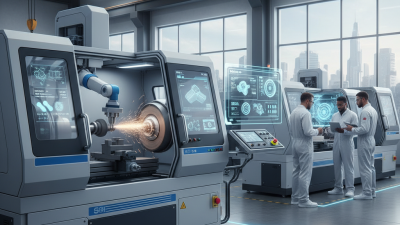
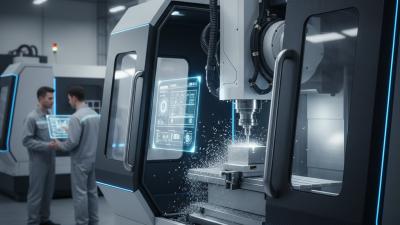
A surface grinder machine is essential for metalworking industries. It operates by using a rotating wheel to grind flat surfaces on a workpiece. The wheel moves horizontally across the piece, removing material and creating a smooth finish. The depth of the cut can be adjusted for precision. This machine often uses coolant to reduce heat build-up during the grinding process.
During operation, the surface grinder requires careful setup. Operators must ensure that the workpiece is securely clamped. An unstable setup can lead to inaccurate results and potential accidents. Monitoring the grinding wheel is also crucial. If it becomes worn unevenly, it can affect the quality of the grind. Regular maintenance of the machine extends its life but requires diligent attention from operators.
While surface grinders are powerful tools, they can be intimidating for newcomers. Mistakes are common, and understanding the nuances takes time. Learning to read the indicators and adjust settings properly is vital. With practice, operators gain confidence, but it’s easy to overlook small details. Each grinding session presents a chance for improvement and reflection.
Applications and Benefits of Surface Grinding
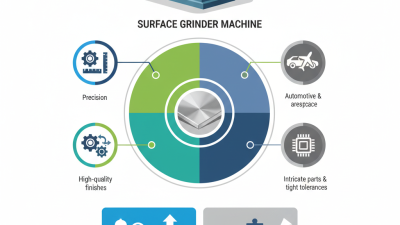
Surface grinding is a vital process in manufacturing. It ensures a fine finish and precise dimensions on various materials, like metals. Data from industry reports reveal that the surface grinding market is projected to grow at a compound annual growth rate (CAGR) of 4.5% from 2021 to 2026. This growth highlights the machine's increasing relevance in diverse applications, such as automotive, aerospace, and even electronics. Industries are adopting surface grinders for their accuracy and efficiency.
These machines excel in producing flat surfaces with consistent dimensions. Among the key benefits, they reduce production time and enhance the quality of parts. Surface grinders are also essential in maintaining tight tolerances while minimizing waste. However, the process can produce surface imperfections if not closely monitored. Regular maintenance of the grinding wheel and machine settings is crucial.
Tip: Regularly check the alignment of the workpiece. Misalignment can lead to uneven surfaces. Also, choose the right grinding wheel. It significantly impacts the finish quality. Be aware that environmental factors can affect grinding performance, so adjustments may be necessary. Understanding these variables can lead to improved outcomes in surface grinding.
Maintenance and Safety Tips for Surface Grinder Machines
Surface grinder machines are essential tools in metalworking, but they require careful upkeep. Regular maintenance ensures they operate smoothly and safely. First, check the grinding wheel for any signs of wear or damage. A cracked wheel can lead to dangerous situations. Always replace it if it shows any defects.
Another key aspect of maintenance is keeping the machine clean. Dust and metal shavings can accumulate, affecting machine performance. Regularly clean the work area and machine surfaces. Lubricate moving parts according to manufacturer guidelines. This reduces friction and extends the machine's lifespan. Regular inspections are crucial to catch issues early.
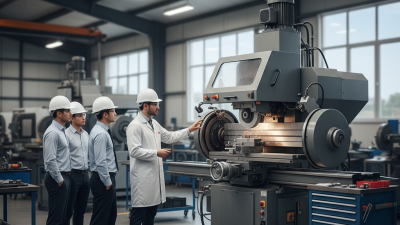
Safety is paramount when using surface grinders. Always wear appropriate personal protective equipment (PPE), including safety goggles and gloves. Ensure the workpiece is securely fastened before starting the machine. Workers should avoid loose clothing. These precautions help prevent accidents. Establish a safety checklist to follow each time the machine is used. Even small oversights can lead to injuries. Regular training sessions for operators can reinforce safe practices.