Top Tips for Choosing a Surface Grinding Machine for Your Needs?
Choosing the right surface grinding machine can be daunting. Industry expert John Smith emphasizes, “The right machine can make a significant difference in productivity.” His insight sheds light on the importance of selecting a suitable machine for specific needs.
A surface grinding machine is vital for achieving precision in metalworking. Various factors influence your choice, such as size, power, and intended use. Each application demands a customized approach, and there isn't a one-size-fits-all machine. Reflecting on past mistakes can guide you toward better decisions.
Consider the specifications closely. Some machines excel in speed but may lack precision. Others might be more reliable but slower. It’s essential to weigh these features against your requirements. Every choice has its trade-offs, demanding careful thought and review. The right surface grinding machine ultimately boosts efficiency and quality, ensuring you meet your production goals.
Understanding the Basics of Surface Grinding Machines
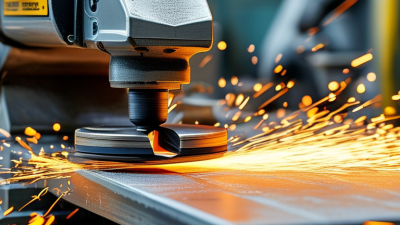
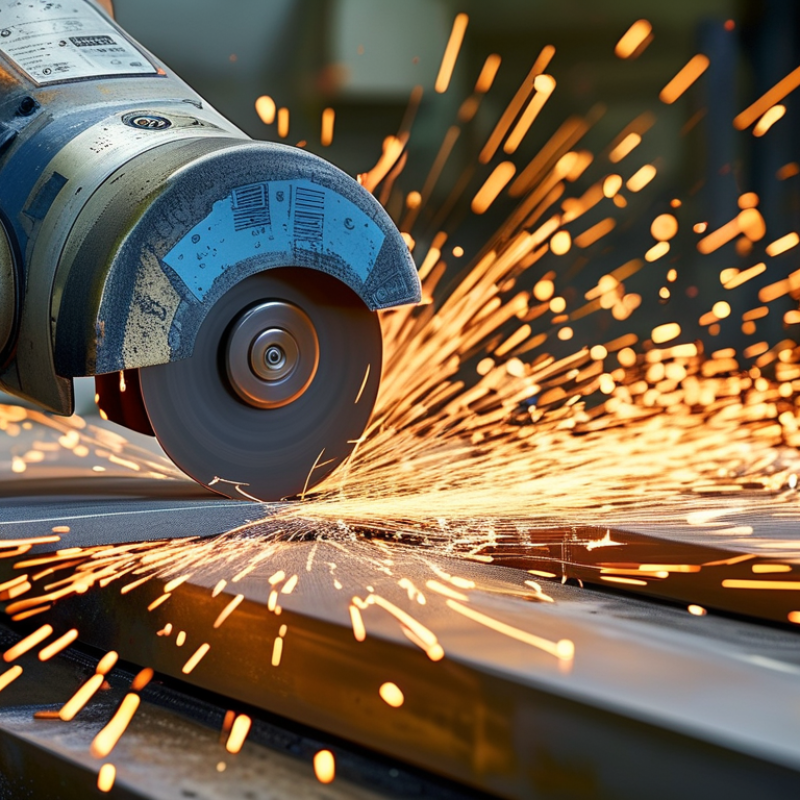
When selecting a surface grinding machine, understanding the basic functions and features is crucial. Surface grinding machines are primarily designed to produce a smooth finish on flat surfaces. They use an abrasive wheel to remove material from the workpiece, resulting in precision and accuracy. This process is essential for various applications, including tool making and manufacturing components.
It's important to consider the machine's specifications. Look for grinding capacity, horsepower, and the type of grinding wheel. A larger machine may be necessary for bigger parts, but it requires more space and resources. Additionally, pay attention to the machine's stability and ease of operation. Vibration can affect the quality of the surface, so a sturdy base is vital. Operators should feel comfortable and confident while using the machine.
Moreover, the maintenance of the equipment should not be overlooked. Regular upkeep ensures longevity and reliability. Operators should routinely check for wear and tear on the grinding wheel and other components. Reflecting on these aspects helps make an informed decision. Your choice should align with specific needs and capabilities. This balance between quality and practicality leads to better productivity in the long run.
Key Factors to Consider When Choosing a Surface Grinding Machine
When selecting a surface grinding machine, several crucial factors must be considered. The machine's size and capabilities should align with the workspace and the volume of work. It's essential to assess the maximum part size you will grind. According to industry reports, approximately 70% of buyers overlook this aspect, which can lead to inefficiency. Precision is key, as higher tolerances translate into better quality output.
One significant factor is the grinding wheel type. Different materials require specific wheels to perform optimally. For instance, silicon carbide wheels work well with hard materials, while aluminum oxide is preferred for softer metals. Maintaining the right wheel to match your grinding needs is critical to achieving the desired surface finish. It is worth noting that around 30% of machining issues stem from improper wheel selection.
Another point to consider is machine maintenance. Regular checks ensure longevity and consistent performance. Neglecting this aspect might lead to unexpected downtimes. In 2022, nearly 25% of companies reported reduced productivity due to ignored maintenance routines. Understanding the maintenance needs can prevent significant issues later. Assess your requirements thoroughly before making the purchase.
Types of Surface Grinding Machines and Their Applications
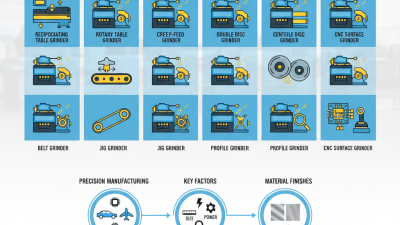
When selecting a surface grinding machine, it's essential to understand the different types available. Vertical grinding machines are ideal for precision operations. They can achieve tight tolerances on components such as guideways and molds. According to a recent industry report, vertical machines account for nearly 40% of the market share. They are favored in tool and die industries due to their precision.
Horizontal surface grinders are another popular option. They excel in removing material efficiently and are suitable for large workpieces. This type can operate at faster speeds, enhancing productivity. However, users must maintain a balance between speed and the quality of the finish. Studies indicate that improper use can lead to increased wear on machinery, which could impact long-term performance.
Additionally, both types can be equipped with various attachments and wheel types for specific applications. Companies need to evaluate their requirements carefully, as the wrong choice can lead to inefficiencies. Training operators on machine capabilities is crucial. Even a simple misunderstanding of settings can lead to costly mistakes. Investing time in education about the machines ensures better outcomes.
Top Tips for Choosing a Surface Grinding Machine for Your Needs
| Type of Surface Grinding Machine |
Applications |
Key Features |
Suitable Materials |
| Horizontal Spindle Surface Grinder |
Used for large surface areas and heavy workpieces. |
High stability, efficient for flat surfaces. |
Steel, aluminum, and non-ferrous materials. |
| Vertical Spindle Surface Grinder |
Ideal for smaller workpieces and precision grinding. |
Compact design, good for detailed work. |
Ceramics, composite materials, and soft metals. |
| CNC Surface Grinder |
Highly automated grinding for complex shapes. |
Precision and consistency with computer control. |
Alloys, hardened materials, and intricate parts. |
| Doublesided Grinder |
Used for thin materials with minimum tolerance. |
Maximizes efficiency with dual-sided grinding. |
Plastics, thin sheets, and micromachined components. |
Assessing Machine Specifications for Your Grinding Needs
When selecting a surface grinding machine, understanding machine specifications is crucial. Each specification impacts performance and quality. Look closely at the wheel size, spindle speed, and maximum workpiece dimensions. These factors determine how efficiently the machine can process material. Not every machine suits every project. Ensure that your choice aligns with your specific grinding tasks. A mismatch can lead to subpar results.
Consider the machine's power requirements too. High power can improve grinding speed, but it may increase energy usage. The weight and stability of the machine also matter. Heavier machines often provide better accuracy. However, they may be less versatile in smaller workspaces. Pay attention to the table feed rate as well. A slow feed rate can enhance precision but may be less efficient for larger jobs.
Finally, assess the available features like coolant systems and automatic controls. While these can enhance functionality, they may not be necessary for every application. Identifying your needs is essential. Regular reviews of your processes can help refine your choice. Finding the right balance in specifications will enhance your grinding operations.
Top Tips for Choosing a Surface Grinding Machine for Your Needs
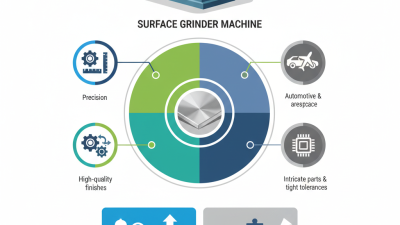
This chart visualizes the key specifications to consider when selecting a surface grinding machine. Each aspect is rated on a scale of 1 to 10 based on its importance for effective grinding operations. Precision is the highest priority followed by durability, speed, ease of use, and cost.
Maintenance and Support Considerations for Surface Grinding Machines
Maintenance is crucial for surface grinding machines. Regular checks ensure optimal performance and longevity. Each machine has specific needs. Consulting the manual is a good starting point. This document often contains detailed maintenance schedules and procedures.
Lubrication is a key aspect. Machines require regular oiling to keep parts moving smoothly. Neglected maintenance can lead to breakdowns, which may incur high repair costs. Operators should also inspect belts, wheels, and coolant systems routinely. A worn wheel affects grinding quality; replacing it in time is essential.
Support from manufacturers or service providers matters too. Having access to a skilled technician is vital for troubleshooting. Training for operators increases machine lifespan and enhances productivity. Consider a service package that includes regular inspections. This can prevent unexpected failures and ensure your machine runs efficiently. Regular communication with suppliers also ensures you stay updated on best practices and new techniques.