Top Cylinder Boring Honing Machine Manufacturers
A Cylinder Boring Honing Machine must do more than remove material. It must restore cylinder geometry with repeatable accuracy, controlled surface finish, and dependable process settings. For engine rebuilders, a few microns can matter. Small errors matter. So do spindle stability, fixture design, operator training, and service access.
The market context is substantial, but it needs careful interpretation. Grand View Research’s Automotive Aftermarket Size, Share & Trends Analysis Report estimated the global automotive aftermarket at USD 428.51 billion in 2023 and projected a 4.0% compound annual growth rate from 2024 to 2030. This broad market figure does not measure demand for boring and honing machines directly. It does show why repair and remanufacturing equipment deserves close evaluation. Buyers comparing manufacturers should examine published tolerances, real-world test procedures, tooling availability, and documented after-sales support—not just headline specifications.
This guide compares leading manufacturers through those practical criteria. Heat changes dimensions. Results should be measurable. No source articles or verifiable, attributable quotation from a named Cylinder Boring Honing Machine industry expert were provided. Rather than invent an expert or quote, this introduction relies on the cited market report and measurable purchasing considerations. The manufacturer names that follow should be assessed against their own technical documentation, customer evidence, and service commitments.
What Cylinder Boring and Honing Machines Do
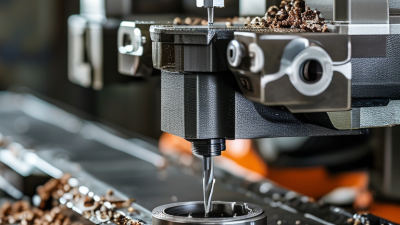
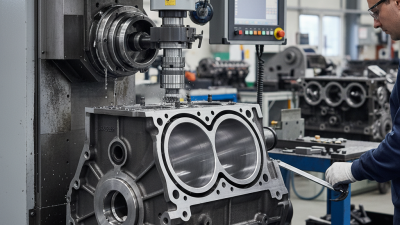
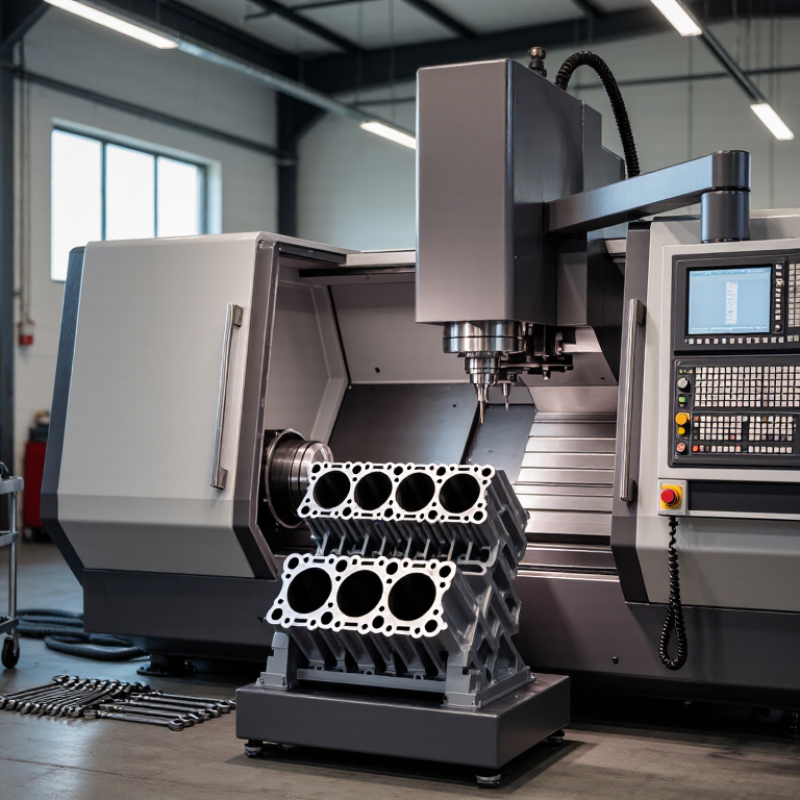
Cylinder boring and honing machines prepare engine cylinders for accurate piston movement. Boring removes material with a rotating cutting tool, correcting wear or bringing an undersized bore closer to its target diameter. The cylinder block is secured firmly, and the operator checks alignment before cutting. Small setup errors matter. A bore can look smooth yet still be out of round.
Honing uses abrasive stones to refine the bore after machining. The tool moves up and down while rotating, creating a fine crosshatch pattern on the cylinder wall. That texture helps retain a thin film of oil between the wall and piston rings. It is not decoration. Operators select abrasives and pressure based on the material and required finish, then verify dimensions with suitable measuring tools. Results depend on careful setup, clean work surfaces, and steady inspection. In practice, even a well-planned pass may need adjustment; measurements, not appearance alone, should guide the next step.
Types of Cylinder Boring and Honing Machine Manufacturers
Types of Cylinder Boring and Honing Machine Manufacturers
Cylinder boring and honing machine manufacturers generally fall into several groups. Specialist builders focus on engine blocks, sleeves, and cylinder liners. Their machines may include rigid boring heads, adjustable fixtures, and honing spindles designed for repeatable surface finishes. Some serve repair workshops with compact, manually controlled equipment. Others build larger CNC systems for production facilities handling many parts per shift.
Broad machine-tool manufacturers may offer boring and honing equipment alongside other machining systems. Custom engineering firms take a different approach, adapting machine travel, clamping, or tooling to unusual workpieces. Automation-focused suppliers can integrate loading systems and measurement stations, though these additions may not suit a small shop. The categories overlap.
Check the details. Ask how the machine controls bore alignment, taper, and surface finish, and whether test cuts are available on comparable parts. A specification sheet can look convincing, yet real results depend on tooling, setup, and operator skill. Service access matters too: a precise machine is less useful when replacement parts or technical support are difficult to obtain. It is worth admitting that no manufacturer type is best for every job. A clear production need should guide the choice.
Types of Cylinder Boring and Honing Machines
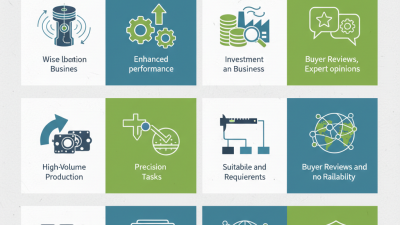
The chart shows the typical progression from general cylinder boring to precision boring and honing. The vertical scale represents process order only, not machine capacity, market share, or measured performance. Actual capabilities vary by machine and application.
How to Evaluate Cylinder Boring and Honing Machine Manufacturers
Evaluating a cylinder boring and honing machine manufacturer starts with the work the machine must perform. Compare bore diameter range, stroke, spindle speed, and fixture capacity against your actual engine blocks. Ask how the machine controls alignment and maintains repeatable geometry across multiple cylinders. Request sample inspection data, such as bore taper, roundness, and surface-finish readings. Ask for evidence. Clear records are more useful than broad claims about precision.
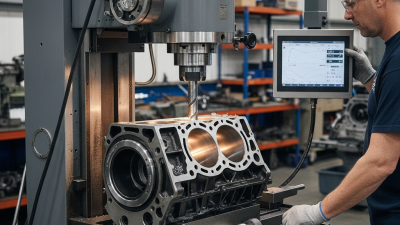
Look beyond the machine itself. Check whether the manufacturer provides installation guidance, operator training, spare-part availability, and responsive technical support. A practical demonstration should use a representative workpiece, not only an ideal test sample. Watch how settings are adjusted and how measurements are verified. Measure what matters. It is easy to overvalue a polished brochure; that judgment can be wrong. Ask current users about maintenance intervals, common setup issues, and service response times. No checklist catches everything. Still, specific answers and verifiable documentation can reveal whether a supplier understands real workshop conditions and can support the machine after delivery.
How Technology Is Shaping Machine Manufacturing
Technology is changing how cylinder boring and honing machines are designed, built, and checked. In modern workshops, CNC controls guide spindle speed, feed rate, and tool movement with repeatable precision. Sensors can track vibration, temperature, and load during a machining cycle. Small changes matter. If a bore warms unevenly, its final dimensions may shift after the part cools. Digital measurement systems help operators compare bore diameter, roundness, and surface finish against job requirements. Data helps, but it does not replace sound setup.
Manufacturers also use simulation tools to test machine layouts and cutting sequences before building or programming equipment. This can reduce setup time and reveal potential collisions early. During honing, controlled pressure and stone expansion support a consistent crosshatch pattern, while in-process gauges can flag tool wear. Yet sensors need calibration, and software predictions may miss real shop-floor variation. That gap matters. An experienced machinist may notice a change in tool sound or coolant flow that a dashboard cannot explain. Automation works best when it gives people clearer evidence, not when it hides the process. Some systems still require careful manual checks, which can be inconvenient but remains important. Buyers can ask how accuracy is verified, how maintenance data is stored, and whether operators receive practical training.