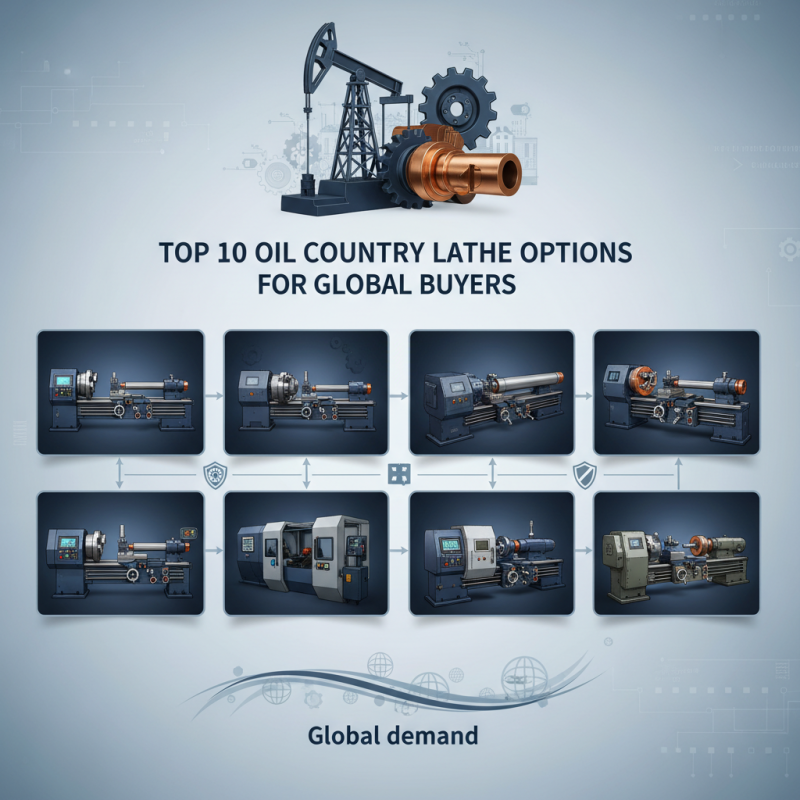
Top 10 Oil Country Lathe Options for Global Buyers?
The demand for Oil Country Lathes has surged in recent years. These machines are essential for the oil and gas industry. They help create and refine large components used in drilling and extraction processes. Given the global interest, knowing your options is crucial.
Selecting the right Oil Country Lathe can be overwhelming. Numerous manufacturers offer various features and specifications. It is vital to consider factors such as precision, durability, and ease of operation. Each machine has its pros and cons, which can impact production.
Understanding the specific needs of your operations is important. Not every lathe will serve every purpose. Buyers must reflect on their requirements and the desired outcomes. This guide presents ten top Oil Country Lathe options that can meet diverse demands in the industry. Each option brings something unique, catering to different budgets and preferences.
Overview of Oil Country Lathes and Their Applications
Oil country lathes are essential tools in the oil and gas industry. They are specifically designed for machining heavy components used in drilling and production. This includes items like casing, tubing, and various pipe fittings. According to recent industry reports, the demand for these lathes is projected to grow at a CAGR of 5.4% from 2023 to 2030. This increasing demand is driven by the ongoing investments in oil exploration and production.
These lathes are known for their unique features. They can handle large diameters and long lengths, which are common in oilfield applications. Machining capabilities must meet high standards for precision. The factors influencing this include the materials used in construction and the length of machining runs. Interestingly, many operators report challenges with maintenance and operational efficiency. Over time, this can lead to increased downtime, affecting overall productivity.
There is a notable variation in user experiences with different lathe options. Some users emphasize the importance of operator training and machine adaptability. The need for skilled professionals in this area is critical. Poorly managed operations can result in subpar output quality and higher operational costs. Continuous feedback loops for improvement are vital in addressing these challenges while maintaining high productivity standards.
Top 10 Oil Country Lathe Options for Global Buyers
This chart displays the top 10 oil country lathes based on their maximum swing over bed, maximum turning length, and production volume capabilities. The data provides insights into the popular choices for global buyers.
Key Features to Consider When Choosing an Oil Country Lathe
When selecting an oil country lathe, key features play a crucial role in ensuring efficiency and output quality. A lathe designed for oil country applications must handle large diameter pipes effectively. A study by the American Machining Association highlights the significance of precision in metalworking, noting that even small variances can lead to significant issues down the line.
Look for lathes with advanced CNC capabilities. These features enhance automation and precision. Automated systems reduce human error and increase production speed. According to industry reports, CNC lathes can operate 40% faster than manual lathes. This efficiency is vital in meeting tight production deadlines in competitive markets.
Tips: Always consider the rigidity of the lathe's construction. A more rigid machine will present fewer vibrations, leading to higher accuracy during machining. Also, assess the lathe’s tooling options; versatility in tooling can save costs over time. Keep maintenance commitments in mind as well. Regular upkeep prevents downtime, making it essential to choose a machine that allows for easy access to critical components.
Selecting the right oil country lathe requires balancing features with real operational needs.
Top 10 Oil Country Lathe Models for Global Buyers
Selecting the right oil country lathe is crucial for global manufacturers. Industry reports indicate that the demand for efficient and precise machining solutions has grown significantly over the past decade. Key players in the oil and gas sector require reliable equipment that can handle extensive operational stress. An effective lathe must exhibit durability, precision, and adaptability.
In recent studies, it was found that over 60% of machining errors stem from inadequate equipment. Many operators still face challenges with older models that lack modern technology. Today's oil country lathes incorporate advanced CNC capabilities. This enhances both efficiency and accuracy in production. Moreover, consistent maintenance is vital, as overlooked repairs can lead to costly downtime.
Data from market analysis suggests that a robust lathe should be able to manage various pipe sizes, which demands versatility. With the increasing complexity of pipeline projects, tools that can easily switch configurations will be more valuable. Investing in top models can ensure long-term reliability, yet operators often underestimate ongoing training for personnel. Such training is essential to maximize machine performance and minimize risks.
Comparison of Leading Brands in Oil Country Lathes
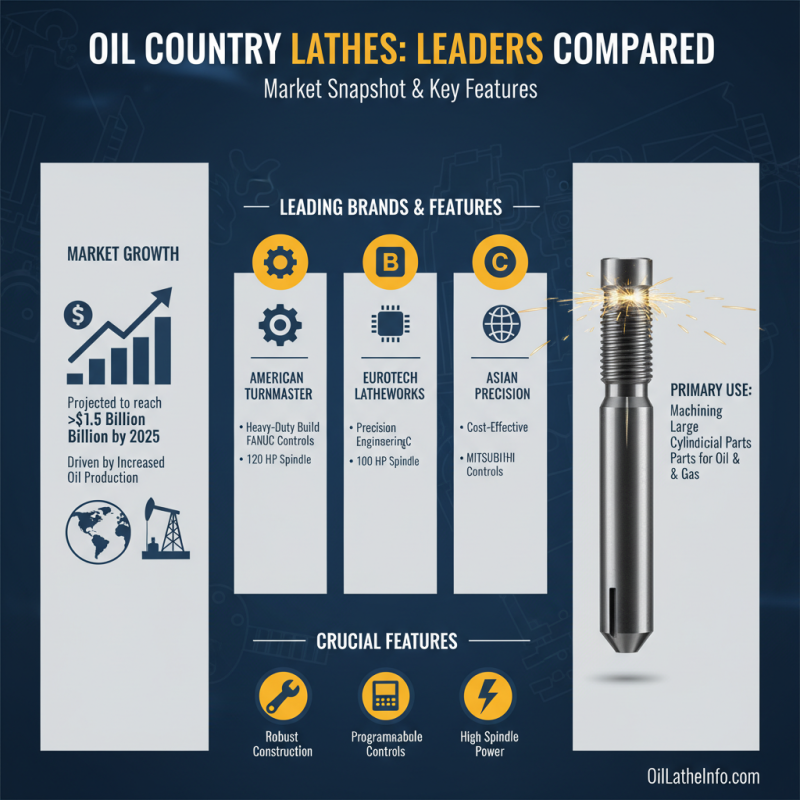
When it comes to oil country lathes, understanding the differences between leading models is crucial. The market has seen robust growth, projected to reach over $1.5 billion by 2025, driven by increasing oil production activities. This specialized equipment is vital for machining large, cylindrical parts used in the oil and gas industry. Key features include heavy-duty construction, programmable controls, and high spindle power.
Industry reports highlight the importance of accuracy and efficiency. For instance, modern oil country lathes have tolerances as tight as 0.001 inches. Reliability in harsh environments is critical; lathes must withstand high temperatures and corrosive substances. Many buyers seek machines that combine advanced technology with user-friendly interfaces, simplifying complex operations.
However, the selection process can be daunting. Different brands offer various specifications, and it’s often unclear which features best suit specific needs. Buyers should weigh options based on past performance and user feedback. A decade-long trend shows a shift towards automation in lathes, yet some operators still prefer traditional methods. This blend of modern and classic techniques can lead to enhanced productivity but requires careful consideration of each machine's capabilities.
Maintenance Tips for Optimal Performance of Oil Country Lathes
Oil country lathes demand regular maintenance for optimal performance. These machines play a crucial role in drilling and production. A well-maintained lathe ensures precision and longevity. One vital aspect of maintenance is keeping the machine clean. Dirt and debris can lead to wear over time. Regularly check for unexpected build-up. It’s essential to establish a cleaning schedule.
Lubrication is another cornerstone of maintenance. Oil country lathes require specific lubricants to function smoothly. Over time, lubricant can degrade. Inspect oil levels frequently. Fresh oil minimizes friction and damage. Pay close attention to seals and bearings. Worn parts can hinder performance.
Operators should also monitor vibration and noise levels. Unusual sounds may indicate issues needing immediate attention. Record any changes, even minor, to draw patterns. Regular inspections can uncover hidden problems. Tracking maintenance tasks ensures consistency. Reflection on practices helps create a proactive maintenance culture, enhancing overall productivity.
Top 10 Oil Country Lathe Options for Global Buyers
| Model |
Max Swing (inches) |
Swing Over Bed (inches) |
Max Turning Length (inches) |
Spindle Speed (RPM) |
Weight (lbs) |
| Model A |
24 |
18 |
120 |
600 |
3000 |
| Model B |
30 |
22 |
150 |
500 |
3500 |
| Model C |
36 |
28 |
180 |
700 |
4000 |
| Model D |
42 |
32 |
200 |
800 |
4500 |
| Model E |
48 |
40 |
250 |
600 |
5000 |
| Model F |
54 |
44 |
300 |
650 |
5500 |
| Model G |
60 |
48 |
350 |
700 |
6000 |
| Model H |
66 |
50 |
400 |
800 |
6500 |
| Model I |
72 |
52 |
450 |
750 |
7000 |
| Model J |
84 |
54 |
500 |
600 |
8000 |