Top Vertical Lathes in China for Global Buyers to Consider?
In the ever-evolving manufacturing landscape, vertical lathes play a crucial role. These machines are essential for precision machining in various industries, such as automotive and aerospace. According to a recent report by Market Research Future, the global vertical lathe market is expected to grow at a compound annual growth rate (CAGR) of 5.2% from 2021 to 2027. This growth reflects the increasing demand for high-performance equipment.
China stands out as a leading manufacturer of vertical lathes. Numerous local companies offer innovative technologies and competitive pricing. However, not all products meet the stringent quality standards required by international buyers. Selecting the right supplier is vital. Many global buyers often overlook the importance of comprehensive due diligence when sourcing equipment.
Investors should consider various factors, including machine specifications and after-sales support. Prioritizing vendors with a proven track record can mitigate risks. Despite the opportunities, the market can be overwhelming. A thoughtful approach is essential for navigating this complex landscape. By focusing on quality and reliability, buyers can make informed decisions that align with their strategic goals.
Overview of Vertical Lathes: Definition and Applications
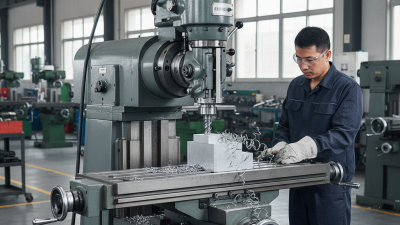
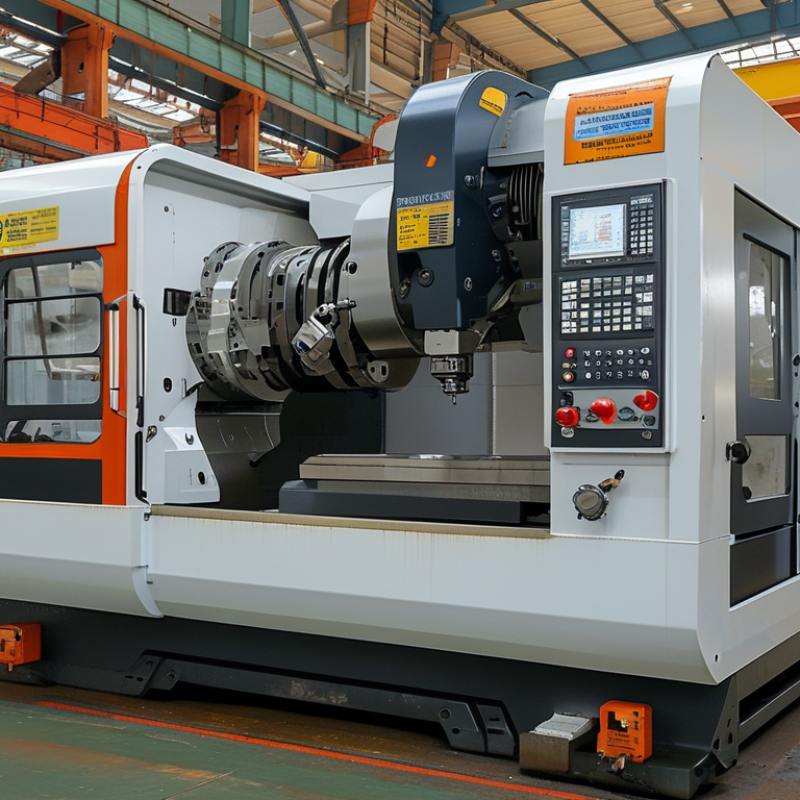
Vertical lathes are essential in various industries. They are designed for machining large, heavy parts with precision. These machines operate vertically, allowing gravity to assist in the machining process. This design can enhance efficiency and accuracy.
Applications range from aerospace to automotive manufacturing. In aerospace, vertical lathes handle large turbine casings. For automotive, they are crucial for producing heavy-duty parts. The vertical orientation offers better chip removal and reduces tool wear. This design can accommodate larger workpieces compared to traditional lathes.
However, some challenges exist. Aligning large components can be complex. Operators may need additional training to use these machines effectively. Each application may require adjustments to settings and tooling. It's vital to consider the specific needs and challenges for optimal performance. A thorough understanding of these factors can lead to successful outcomes.
Key Features to Consider When Selecting Vertical Lathes
When selecting vertical lathes, several key features are worth considering. The spindle power plays a vital role in determining how effectively the machine can handle various materials. Higher power means it can tackle tougher tasks. Keep in mind, though, that too much power can affect the overall machine balance and precision.
Another critical aspect is the machine's swing diameter. This influences the size of the workpieces you can process. A larger swing allows for more versatility, yet it may require a larger operational space. Think about your workshop layout before making a choice.
Precision and accuracy are paramount in vertical lathes. Look for features like digital readouts and advanced control systems that enhance user experience. However, relying too heavily on technology can sometimes lead to complacency. Regular calibration and maintenance are essential to ensure optimal performance. In the end, each feature should align with your specific needs and operational requirements.
Top Vertical Lathes in China for Global Buyers to Consider
| Model |
Max Swing Diameter (mm) |
Max Turning Height (mm) |
Spindle Speed (rpm) |
Power (kW) |
Weight (kg) |
| Model A |
800 |
600 |
2000 |
15 |
5000 |
| Model B |
1000 |
800 |
1800 |
18 |
6000 |
| Model C |
1200 |
900 |
1500 |
20 |
7000 |
| Model D |
1400 |
1000 |
1200 |
25 |
8000 |
Leading Manufacturers of Vertical Lathes in China
When looking for vertical lathes in China, buyers should consider the leading manufacturers that offer innovative solutions. These companies focus on precision and durability, ensuring high-quality machines that meet diverse industry needs. Many manufacturers feature advanced production processes, enabling them to create lathes that stand out globally.
Visiting a few key manufacturing hubs can provide deeper insights. Buyers may notice variations in technology and design approaches. Some companies emphasize automation, while others prioritize manual settings. This diversity provides options based on specific production requirements. Moreover, the ability to customize features is often a strong point highlighted by reputable suppliers.
However, not all manufacturers maintain the same standard. Some may lack rigorous quality control, leading to operational issues. It's crucial for buyers to conduct thorough research, focusing on manufacturer reviews and client testimonials. This can help mitigate risks and ensure a satisfactory investment. Keep in mind that the selection process should be informed and nuanced.
Top Vertical Lathes in China for Global Buyers
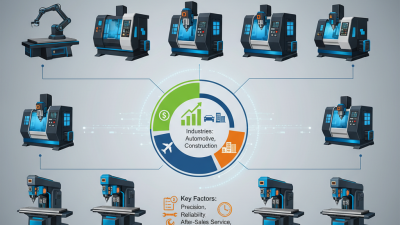
This chart illustrates the performance metrics of top vertical lathes available in China. The metrics include machining precision, production capacity, customization options, technological advancement, and after-sales service, highlighting important factors for global buyers to consider.
Comparative Analysis of Vertical Lathes for Global Buyers
When selecting vertical lathes, global buyers often face challenges. Evaluating various models requires a clear understanding of their specifications and capabilities. Key factors include spindle speed, weight capacity, and overall design. These elements can significantly impact machining efficiency and accuracy.
In China, a variety of vertical lathes are available featuring different technologies and designs. Some machines excel in precision, while others prioritize speed. For instance, the choice between servo and hydraulic drives can influence operational costs and performance. Buyers need to assess their specific needs; a machine that excels for one application may fall short in another.
It's crucial to focus on after-sales support and maintenance services from manufacturers. A machine's initial cost is just one consideration. Long-term reliability is paramount. Some buyers overlook potential issues that may arise after the purchase. Understanding local service availability can lead to more informed decisions and better outcomes. The importance of reliability in this field cannot be overstated, as it directly affects productivity and operational costs.
Future Trends in Vertical Lathe Technology and Market Demand
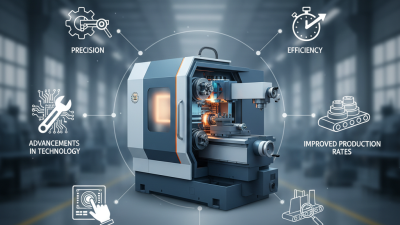
Vertical lathe technology has seen significant advancements recently. As manufacturers face increasing competition, they prioritize efficiency and precision. Enhanced automation is a key trend. It allows for faster production cycles and reduced labor costs. Buyers will notice a growing focus on user-friendly interfaces in machinery.
Demand for high-quality vertical lathes is rising. Industries such as aerospace and automotive require precise machining capabilities. The shift towards electric and hybrid vertical lathes is also noteworthy. These options are more energy-efficient and have lower maintenance needs. However, there are challenges. Adapting to new technologies sometimes incurs high initial costs. Not all buyers may see immediate benefits.
The global market is increasingly interconnected. This creates opportunities for cross-border purchasing. It’s essential for buyers to consider local support and training. They should also evaluate long-term service agreements. These factors can influence successful implementation. Finding reliable suppliers remains crucial. As the market evolves, so do the demands of the industry. Companies must stay informed and adaptable.