What is a Vertical Machine Center and How Does it Work?
In the fast-evolving landscape of manufacturing, the Vertical Machine Center (VMC) plays a pivotal role. Experts like John Smith, a seasoned machinist, emphasize, "The Vertical Machine Center is key for precision machining." This tool combines reliability with modern technology, enabling efficient production methods.
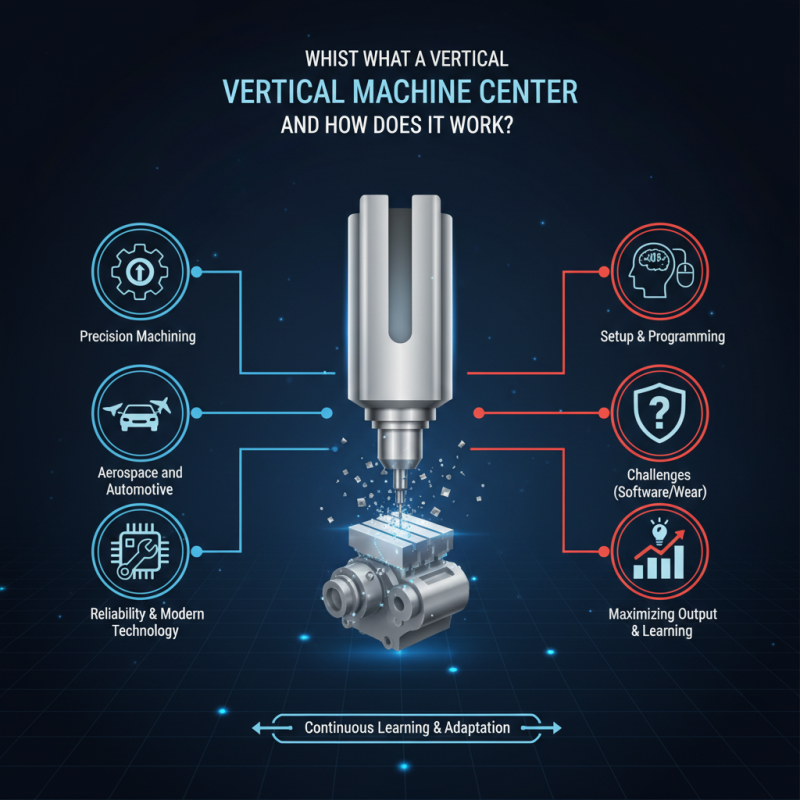
Vertical Machine Centers operate by utilizing vertically-aligned spindles. This configuration allows for optimal chip removal and efficient machining of complex parts. VMCs are essential in industries requiring high precision, like aerospace and automotive. However, their setup can be challenging. Proper calibration and programming are crucial for achieving desired outcomes.
While the VMC offers numerous advantages, it is not without its flaws. Users must navigate potential software glitches and mechanical wear. Understanding these complexities is vital for manufacturers seeking to maximize output and quality. Each machine presents unique challenges, demanding continuous learning and adaptation from operators.
What is a Vertical Machine Center? Definition and Key Features
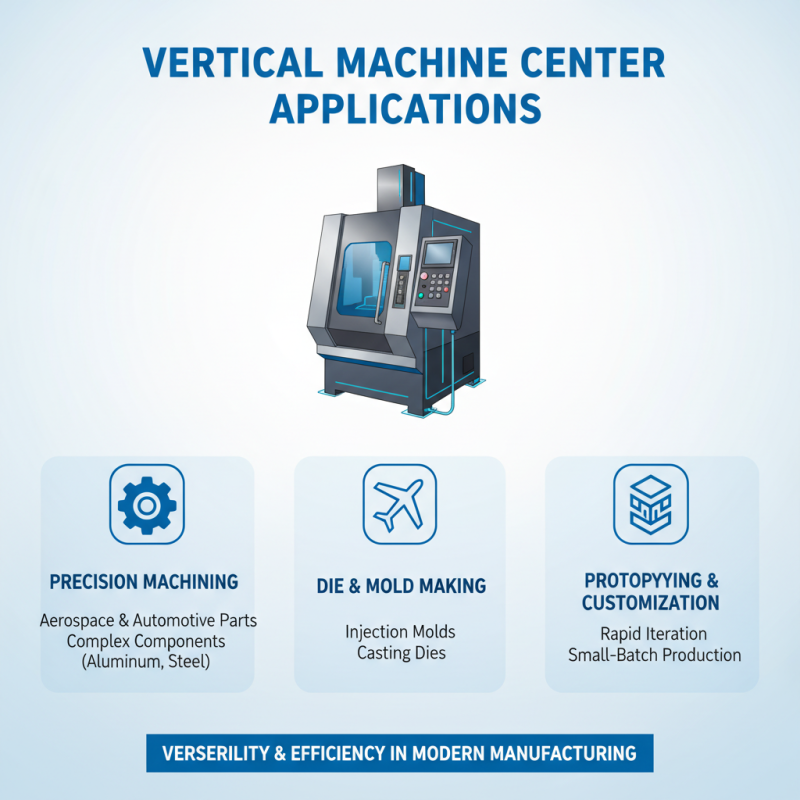
A vertical machine center (VMC) is a vital tool in modern manufacturing. It primarily features a vertical spindle arrangement. This setup allows for efficient machining of various materials. VMCs are known for their precision and versatility. They can perform multiple tasks like milling, drilling, and tapping.
Key features of VMCs include high-speed capabilities and advanced CNC technology. According to recent industry reports, these machines can achieve speeds exceeding 20,000 RPM. This speed enhances productivity and reduces cycle times. Additionally, VMCs often come with a tool magazine that can hold multiple tools. This function allows for quick tool changes, boosting operational efficiency.
Despite the benefits, there are limitations. For instance, VMCs may not be suitable for all workpieces. Large or heavy items can be challenging to position accurately. Moreover, while they offer high precision, setups can be time-consuming. User skill is essential for maximizing their potential. As technology evolves, continuous learning and adaptation remain critical for operators.
The Working Principle of Vertical Machining Centers Explained
Vertical machining centers (VMCs) are advanced tools extensively used in manufacturing. Understanding their working principle is crucial for optimizing production processes. A VMC typically features a vertical spindle that holds the cutting tool. This design allows for efficient material removal. The workpiece is fixed on a table, and the spindle moves up and down.
The cutting action occurs as the spindle rotates. It can carve complex shapes with precision. Tooling options vary, which means different materials can be machined effectively. A software-controlled system operates the VMC, allowing for repeatable accuracy. However, even with automation, human oversight remains essential for quality assurance.
While VMCs offer numerous advantages, they are not without limitations. For instance, they may face difficulties when working with large components. Additionally, maintenance is required to keep the machines running efficiently. Operators need to be trained, as improper use may lead to accidents or subpar work. Balancing technology with skilled labor ensures optimal output.
Key Specifications and Performance Metrics of Vertical Machine Centers
Vertical machine centers play a pivotal role in manufacturing. They provide precise machining capabilities for various materials. Key specifications include spindle speed, tool capacity, and worktable dimensions. These metrics define their efficiency and versatility in production environments.
Spindle speed is crucial for determining cutting efficiency. Higher speeds improve precision and reduce machining time. A typical spindle speed is around 10,000 RPM. Evaluate if your production needs justify this speed. The tool capacity also impacts the machine's adaptability. A center with a larger number of tool stations can automate various tasks effectively.
Tips: Regular maintenance is important. Check the tool wear regularly to maintain precision. Analyzing your machine's performance data helps identify potential problems early. It's beneficial to keep an eye on coolant levels. Insufficient coolant can lead to overheating and unnecessary wear.
Worktable dimensions affect the size of parts you can machine. A larger table allows for handling bigger workpieces but requires more space. Assess your workshop layout carefully. Not all worksites can accommodate a large machine center. Sustainability in machine operation is paramount. Make sure to optimize energy consumption for long-term cost efficiency.
What is a Vertical Machine Center and How Does it Work? - Key Specifications and Performance Metrics of Vertical Machine Centers
| Specification |
Value |
| Machine Type |
Vertical Machine Center |
| X-Axis Travel |
600 mm |
| Y-Axis Travel |
400 mm |
| Z-Axis Travel |
500 mm |
| Spindle Speed |
8000 RPM |
| Max Tool Diameter |
100 mm |
| Tool Magazine Capacity |
24 Tools |
| Weighted Power Consumption |
5 kW |
| Dimensions (L x W x H) |
1500 mm x 2000 mm x 2200 mm |
| Weight |
2200 kg |
Benefits of Using Vertical Machine Centers in Modern Industry
Vertical machine centers play a vital role in modern manufacturing. They offer precision and efficiency for various machining tasks, from milling to drilling. These machines are designed to handle multiple processes in one setup, reducing the need for equipment changes. This integration boosts productivity and minimizes downtime on the shop floor.
Using vertical machine centers comes with numerous benefits. They facilitate high-speed machining, enabling faster production rates. The vertical orientation allows for better tool accessibility and optimal chip removal, leading to improved surface finishes. This enhances product quality, an important factor in competitive industries. Time savings can lead to cost reductions as well.
Tips: Regular maintenance is critical for these machines. Scheduled checks can prevent unexpected breakdowns. Also, ensure proper tool selection for your specific tasks. This can significantly influence machining accuracy and efficiency. Don’t overlook the importance of training for operators. Skills can vary, and investing in education is worthwhile.
Even with these advantages, challenges can arise. Machine alignment and calibration might require attention. Operators must be vigilant about maintaining quality standards. A misstep can undermine the benefits of advanced technology.