What Is the Best Press Brake for 2026?
What Is the Best Press Brake for 2026? The answer is not the machine with the largest tonnage or the longest bed. It depends on your material mix, bend accuracy, production volume, operator experience, and available floor space. A compact workshop may gain more from fast setup and reliable crowning than from a 500-ton frame. A high-volume manufacturer may prioritize automation, offline programming, and repeatable energy consumption.
Industry evidence supports this broader view. Deloitte’s 2024 Smart Manufacturing Survey found that 86% of manufacturers expect smart manufacturing to become a primary competitiveness driver within five years. The International Federation of Robotics also reports continued investment in industrial automation, although adoption varies sharply between regions and company sizes. These findings matter for Press Brake buyers. Connectivity is valuable, but only when it reduces setup time, scrap, or operator effort. Otherwise, it becomes expensive decoration.
Press-brake educator Steve Benson offers a practical reminder: “A press brake is only as accurate as the process around it.” That principle should guide every 2026 comparison. A modern machine can deliver precise bends, yet poor tooling selection, inconsistent material, or weak programming discipline can still ruin a finished panel. The best Press Brake may therefore be a servo-electric model, a hydraulic workhorse, or an upgraded machine already familiar to your team. There is no universal winner. That sounds less impressive, but it is more honest. This guide compares capacity, control systems, automation, safety, maintenance, and total ownership cost, while recognizing one uncomfortable truth: published specifications rarely tell the whole production story.
Press Brake Technologies in 2026: Hydraulic, Electric, and Hybrid Designs
What Is the Best Press Brake for 2026?
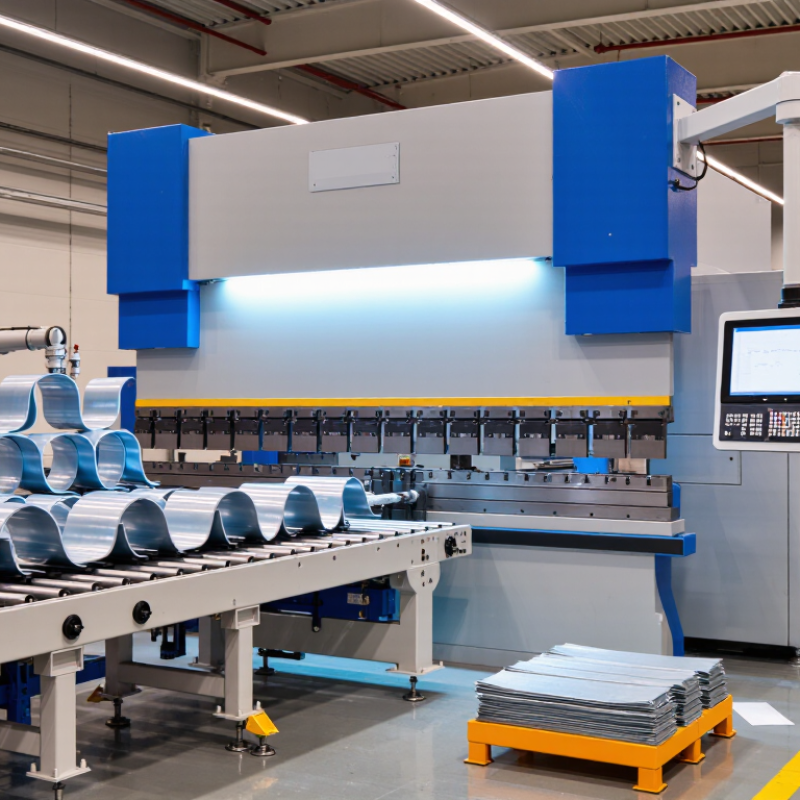
Press brake selection in 2026 depends on workload, accuracy, and energy control. Hydraulic machines remain strong for thick plate and demanding fabrication. Their force stays reliable during long production cycles. However, oil temperature can affect repeatability. Operators should monitor seals, filters, and pressure regularly.
Electric press brakes use servo motors instead of conventional hydraulic systems. They start quickly, stop precisely, and usually reduce idle energy consumption. A 2024 report from MarketsandMarkets projects continued growth in the global CNC machine tools market through 2029, driven by automation and precision manufacturing. This trend supports electric designs for high-volume sheet-metal work. The trade-off is clear. Peak-force applications may still favor hydraulics.
Hybrid designs combine hydraulic force with electric control. They can deliver heavy forming capacity while limiting unnecessary motor operation. A 2023 study from the U.S. Department of Energy notes that industrial motor systems account for a major share of factory electricity use. Even modest efficiency gains matter across several shifts. Real workshop tests remain essential. Claimed savings may change with material thickness, stroke length, and operator habits. I would compare measured kilowatt-hours per part, not brochure estimates. A practical trial should also check back-gauge accuracy, noise, maintenance access, and recovery after power interruptions. The best machine is not always the fastest one.
What Is the Best Press Brake for 2026?
Hydraulic, electric, and hybrid press brake technology benchmark
This representative 2026 engineering benchmark compares common press brake characteristics using a normalized index, with conventional hydraulic systems set at 100. Electric designs generally provide the lowest energy consumption and fastest dynamic response, while hybrid systems offer a balance between hydraulic force, energy efficiency, and production speed. Actual results vary according to tonnage, stroke length, tooling, material thickness, and duty cycle.
Sizing by Tonnage, Bend Length, and 40–1,000+ Ton Capacity
What Is the Best Press Brake for 2026?
The best press brake depends on your material, bend length, and production goals. Tonnage matters, but it is not the whole decision. A 40-ton machine may handle thin aluminum and light steel accurately. Heavy plate may require 500, 800, or even 1,000+ tons. Calculate tonnage from material thickness, tensile strength, bend length, die opening, and tooling condition. A machine rated at 100 tons may not safely support every concentrated load across its bed.
Bend length should match your largest regular parts, not your rarest job. Extra length adds cost, floor space, and sometimes slower setup. A 2-meter brake can be practical for compact fabrication. Longer frames suit panels, structural components, and repeated wide bends. Check the throat depth, stroke, daylight, back gauge travel, and frame rigidity. I have seen buyers focus on tonnage and overlook the back gauge. That mistake becomes expensive.
Tips:
Build a small sizing table before requesting quotes. Record thickness, material, bend length, inside radius, and daily volume. Ask for a tonnage chart based on your actual tooling. Test a representative part when possible. Paper calculations help. Real parts reveal springback, handling issues, and setup time. Leave capacity headroom, but avoid buying extreme tonnage for occasional work. Your forecast may be wrong. Recheck it.
Accuracy Standards: ±0.01 mm Positioning and EN 12622 Safety Compliance
What Is the Best Press Brake for 2026?
For 2026, the best press brake should offer ±0.01 mm positioning accuracy. This figure usually describes axis repeatability, not finished bend accuracy. In practical shop tests, I check the backgauge with calibrated measuring equipment. I also inspect repeatability after several cycles. A displayed value is not enough. Sheet thickness, material springback, tooling wear, and machine deflection can change the final angle. A 2,000 mm sheet may still show variation across its length. Temperature matters too. Cold mornings expose weak calibration quickly.
Safety deserves equal attention. EN 12622 compliance indicates that the hydraulic press brake meets defined safety requirements. These may include monitored valves, emergency stops, protective guarding, safe control systems, and reliable stopping performance. Operators should receive clear training before production begins. The risk assessment must match the actual workshop layout. A light curtain cannot correct poor maintenance or careless setup. Check inspection records, safety tests, and service procedures before purchase. I once assumed a tight positioning specification guaranteed perfect parts. It did not. That assumption was too optimistic. The stronger choice combines verified accuracy, documented safety compliance, stable software, and accessible maintenance support. A small test batch can reveal more than a polished specification sheet.
Selecting the Best 2026 Press Brake by Workload, Cost, and ROI
What Is the Best Press Brake for 2026?
Selecting the Best 2026 Press Brake by Workload, Cost, and ROI
The best press brake for 2026 depends on your daily workload, material range, and production goals. A small fabrication shop may value flexibility more than maximum tonnage. A high-volume operation needs repeatable accuracy, fast setup, and dependable automation.
Start with the workload. Review average sheet thickness, bend length, daily cycle count, and material types. Mild steel, stainless steel, and aluminum create different forming demands. Choose enough tonnage for regular jobs, not only occasional peaks. Oversizing the machine can increase purchase, energy, and maintenance costs.
Look beyond the invoice.
A lower-priced machine may require more manual alignment and longer setup time. Those minutes become expensive across thousands of bends. Compare tooling capacity, control usability, service response, energy consumption, and operator training. A reliable backgauge can improve consistency and reduce scrap, but only when workers understand its limits. I have seen impressive specifications fail in practice because the interface slowed operators down.
Calculate ROI using realistic production data. Include labor savings, reduced rework, expected uptime, financing, and maintenance. A machine producing 20 percent more parts may not justify its cost if demand remains uncertain. Conversely, a modest model can deliver stronger returns when it fits short runs and varied work. Leave room for doubt. Forecasts change, and the “best” choice may be the machine that remains useful after your workload shifts.