What Are the 2026 Top Types of Lathe Machines?
The 2026 machining market is becoming more automated, connected, and application-specific. A Lathe Machine remains essential for producing shafts, bushings, threads, tapers, and precision cylindrical parts. However, choosing the right type now requires more than comparing spindle speed or purchase price.
Recent industry reports support this shift. The Gardner Business Media World Machine Tool Survey continues to track strong demand for advanced metal-cutting equipment worldwide. Grand View Research also identifies computer numerical control adoption as a major growth factor in the global machine tools market. MarketsandMarkets highlights automation, digital monitoring, and high-precision production as important competitive priorities. These findings suggest that CNC turning centers, Swiss-type lathes, vertical lathes, and automatic lathes deserve close attention in 2026.
But no ranking fits every workshop. A CNC turning center may reduce setup time for repeated automotive components, while a Swiss-type machine can guide a slender medical pin with exceptional stability. A vertical lathe suits heavy, wide workpieces that would be difficult to support horizontally. Traditional engine lathes still provide valuable flexibility for repair shops, prototypes, and skilled manual work. The practical choice depends on material, tolerance, batch size, floor space, operator expertise, and maintenance support. This is where many buying guides become too confident. Real performance can differ between brands, tooling systems, and local service networks. The following overview examines the leading Lathe Machine types for 2026, using market evidence and workshop-level considerations rather than relying on popularity alone.
What Defines a Lathe Machine and Its Role in Modern Manufacturing
What Are the 2026 Top Types of Lathe Machines?
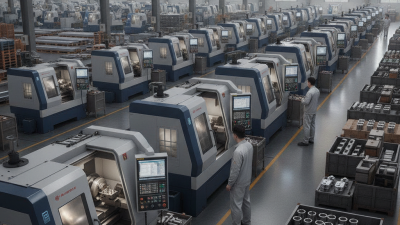
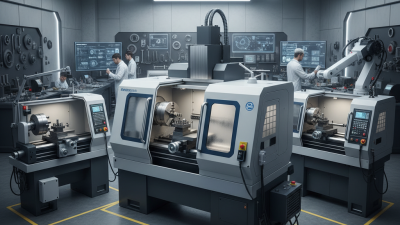
A lathe machine rotates a workpiece while a cutting tool removes material. This simple motion creates shafts, threads, bushings, and precise cylindrical surfaces. Its role now extends beyond basic turning. Modern lathes combine programmable controls, live tooling, automatic measurement, and connected production monitoring. CNC turning centers remain highly relevant in 2026. Swiss-type lathes suit small, slender medical and electronic components. Vertical lathes handle large, heavy workpieces. Multi-spindle machines support high-volume production, while conventional engine lathes still teach essential cutting skills.
The International Federation of Robotics reported 541,302 industrial robot installations worldwide in 2023. That figure shows manufacturing’s growing demand for automation, repeatability, and shorter cycle times. Lathes increasingly connect with robots, inspection systems, and digital production records. However, automation does not remove every difficulty. A poorly selected chuck, unstable fixture, or incorrect cutting speed can still ruin a valuable part. I have seen specifications look excellent on paper, yet vibration appeared during real cutting. That gap deserves honest testing.
Tips: Match the lathe to part diameter, length, material, tolerance, and batch size. Check spindle power, rigidity, tool capacity, and chip control. Request a cutting trial with your actual material. Measure surface finish afterward, not only cycle time. Review ISO 230-2 positioning tests when precision matters. A cheaper machine may become expensive through rework, setup delays, and operator fatigue.
The Main Types of Lathe Machines Available in 2026
What Are the 2026 Top Types of Lathe Machines?
The Main Types of Lathe Machines Available in 2026
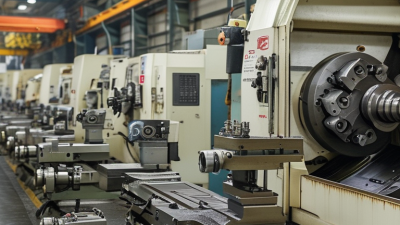
Lathe machines remain essential for turning shafts, bushings, threads, and precision components. In 2026, engine lathes are still widely used for repairs, training, and small production runs. They offer direct control, which helps machinists feel cutting pressure and adjust feed manually.
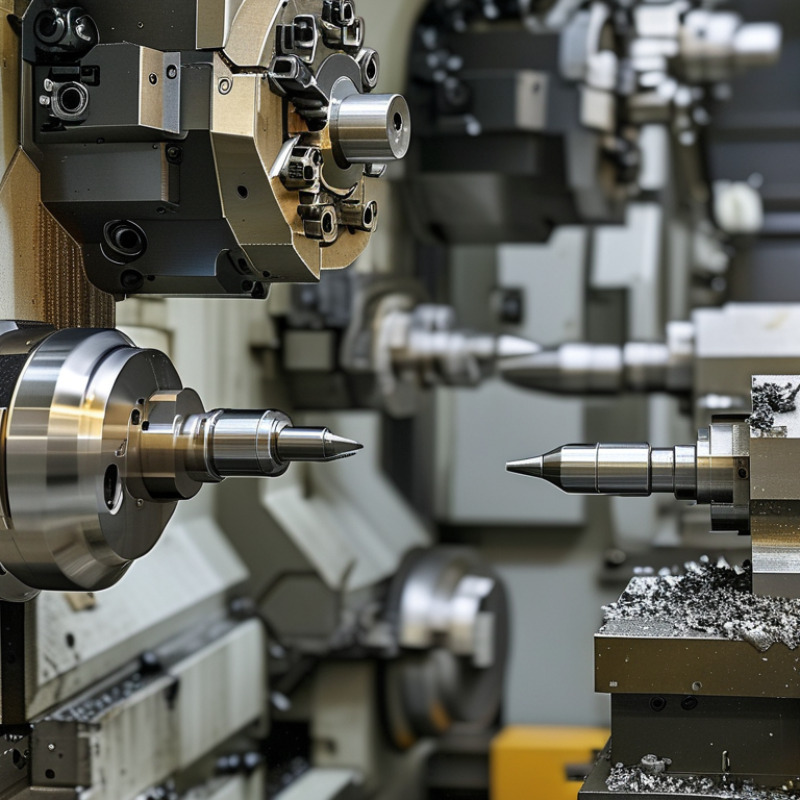
CNC lathes provide repeatable results for complex profiles and larger batches. Many models include live tooling, automatic tool changers, and digital measurement systems. Turret lathes suit repeated work because several tools can stay ready during one cycle. Swiss-type lathes handle slender, small-diameter parts with strong support near the cutting area. Vertical lathes are useful for heavy, wide components that are difficult to mount horizontally. Each type has limits. A CNC machine may improve consistency, but poor programming can repeat the same mistake quickly.
Tips: Match the lathe to workpiece size, tolerance, material, and production volume. Check spindle speed, swing diameter, chuck capacity, and control compatibility. For thin parts, support matters more than speed. Measure the first component carefully. I have found that ignoring setup time often makes an efficient machine less efficient overall. Safety guards, secure clamping, and proper training should remain basic requirements, not optional extras.
Key Features for Comparing 2026 Lathe Machine Types
What Are the 2026 Top Types of Lathe Machines?
Comparing 2026 lathe machine types requires more than checking spindle speed. CNC turning centers suit repeat production, complex profiles, and automatic tool changes. Swiss-type lathes excel with slender parts, guided close to the cutting zone. Vertical lathes handle large, heavy workpieces with stable chuck support. Conventional engine lathes remain useful for repair work, prototypes, and operator training. Each type solves a different production problem.
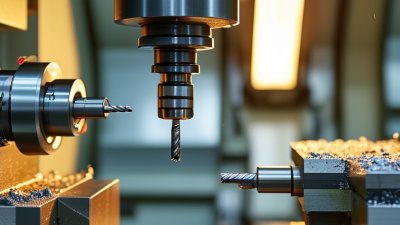
Look closely at measurable features. Compare maximum swing, turning diameter, bar capacity, spindle torque, and axis travel. A 12-inch chuck means little without motor power and rigidity. For small precision parts, examine guide-bushing design, live tooling, and thermal control. For batch production, check cycle time, tool capacity, chip evacuation, and loading automation. MarketsandMarkets reported that the global machine tools market could grow from about USD 102 billion in 2024 to USD 130 billion by 2029, near a 5% compound annual growth rate. That growth supports more automated turning systems, but automation is not always economical.
Energy use deserves attention. The U.S. Department of Energy notes that industrial motor systems can represent a major share of factory electricity consumption. Compare standby power, hydraulic demand, and coolant requirements. Ask for measured data, not only catalog claims. A faster machine may create more heat, noise, and maintenance. My practical view is imperfect: the highest specification can still be the wrong purchase. A stable, serviceable lathe often produces better results than an oversized machine. Reliability matters.