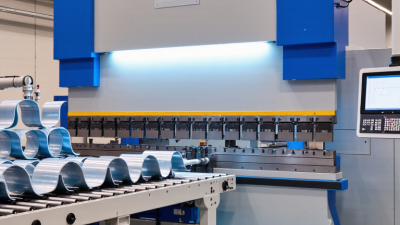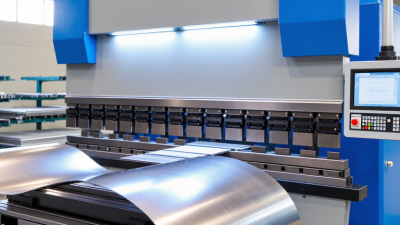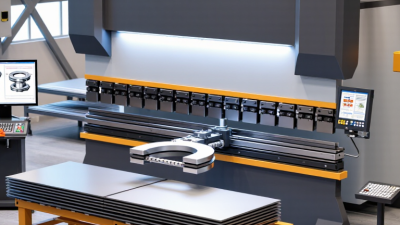
Choosing the best Hydraulic Press Brake in 2026 depends less on a single brand name than on the work it must perform. A shop forming thin stainless panels has different needs from one bending thick plate all day. Tonnage, bending length, frame rigidity, and available tooling all shape the result. So do control usability, repeatability, and access to maintenance support.
A convincing machine should make accurate bends across the materials and part sizes your shop actually handles. Ask for demonstrations using comparable jobs, and check how the supplier explains deflection compensation, backgauge setup, and operator safeguards. Look beyond the headline tonnage. A larger capacity does not automatically mean better results on every part. Not always. Production speed matters, but so do setup time, training, and the cost of keeping the machine running. Those details are easy to overlook when a specification sheet looks impressive.
This guide compares the features that matter when evaluating hydraulic models in 2026, from conventional controls to CNC systems. It also considers practical trade-offs between purchase price, flexibility, and long-term service needs. No shortlist can replace checking a machine against your own drawings, materials, and workflow. I would verify those details before treating any model as the best choice. A careful comparison may be less exciting, but it is more useful on the shop floor.
What Is the Best Hydraulic Press Brake in 2026?
How a Hydraulic Press Brake Works
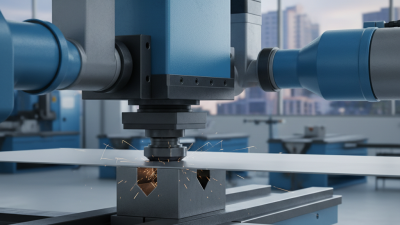
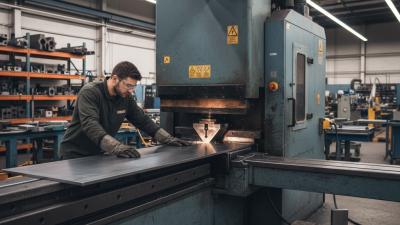
A hydraulic press brake bends sheet metal by driving a punch into a matching die. Its pump sends oil to cylinders, pushing the upper ram downward. The punch presses the sheet into the die opening and forms a bend. Pressure moves the ram. When it lifts, the part can be removed and measured.
The result depends on more than pressure. Material type, thickness, bend length, punch radius, and die width all affect the angle. A controller may coordinate ram depth with the back gauge, which positions the sheet. The operator sets the material against the gauge, then makes a test bend. Small changes matter. Steel often springs back slightly when pressure is released, so the ram may need to travel beyond the target angle.
An imperfect first bend can reveal a mistaken setup assumption. A small gauge shift, for example, may create a visible mismatch along a long flange. For repeat work, operators check angles and dimensions at intervals, since material variation or tool wear can alter results. Hands should stay clear of the punch and die while the ram moves. Guards and operating procedures matter, though setting up a complex part can still take longer than expected.
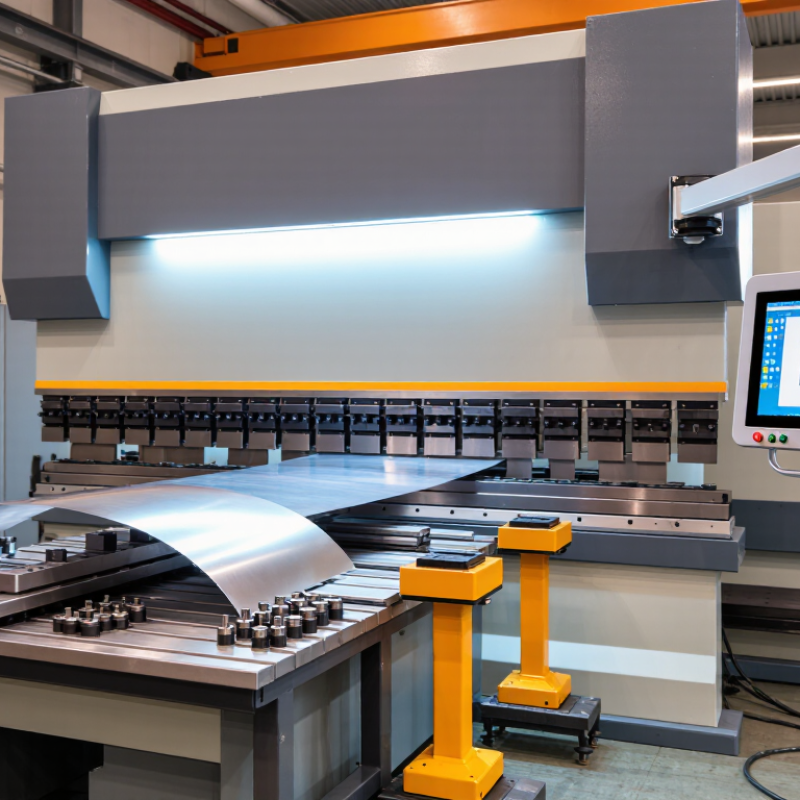
A hydraulic press brake’s rated tonnage is only a starting point. Match force to the material’s thickness, strength, bend length, and selected die opening; undersizing can cause poor angles, while excess capacity may add cost without improving the part. Bed length and throat depth matter too: a long sheet needs room to sit square, not just enough force. Frame stiffness and crowning help limit deflection across the bed. Small numbers matter. A slight angle change at one end can mean repeated setup adjustments.
Look beyond the headline specifications. Check ram parallelism, stroke, daylight, backgauge travel, and axis repeatability against the parts you actually make. ISO 230-2:2014 defines methods for evaluating positioning accuracy and repeatability of numerically controlled axes; its reported measures can help compare test results, but it does not set one universal tolerance for every press brake. Ask for acceptance-test data under realistic operating conditions. Then inspect a sample bend with a calibrated angle gauge. CNC controls can speed setup, though programming quality and operator skill still affect results. I would not judge a machine by speed alone; a fast cycle is less useful when the first bend needs correction.
Hydraulic press brakes are commonly classified by motion system and frame arrangement. A conventional down-acting machine lowers its upper beam; an up-acting design raises the lower table. Both can produce accurate bends, but tooling access, sightlines, and foundation requirements differ. For long panels, tandem presses synchronize two machines across one workpiece. Useful, but not simple. Synchronization and deflection compensation matter more as bending length increases.
Configuration matters as much as tonnage. Basic NC controls suit repeatable bends, while CNC systems can store sequences and coordinate backgauges. Synchronized twin-cylinder machines help keep the ram parallel; crowning compensates for beam and bed deflection across wide sheets. The World Steel Association’s World Steel in Figures 2024 reports 1,892.2 million tonnes of crude steel production in 2023. That figure shows the scale of steel use, not local press-brake demand. Avoid choosing by market size alone.
Tips: Match bed length and rated force to your thickest material, bend length, and V-die opening. Ask for a sample bend across the full bed, then check angle variation and repeatability. Small setup errors matter.
There is no single best configuration for every shop. The right choice depends on part complexity, production volume, and positioning requirements.
How to read this chart: Y1 and Y2 are independently controlled ram axes. Backgauge axes can include X, R, and Z positioning; additional axes support more complex setups. These are common configuration examples, not fixed industry standards.
What Is the Best Hydraulic Press Brake in 2026?
How to Compare Hydraulic Press Brakes for Different Applications
The best hydraulic press brake depends on the parts you make, not a single headline specification. A shop forming thin electrical enclosures needs different capacity from one bending thick structural plate. Compare working length, rated tonnage, stroke, and daylight against your largest routine job. Check material type and tensile strength too; the same thickness can require different force. In practice, a machine with excess capacity may still be a poor fit if its bed or tooling limits the part.
Tips: Ask for a sample bend using your material and tooling. Check angle consistency across the bed, backgauge repeatability, and how easily operators can set up common jobs. A neat spreadsheet can still miss awkward parts that are difficult to load. That detail matters.
For varied production, consider control features, programmable axes, and crowning, which helps maintain consistent angles along longer bends. For short runs, simple setup and clear operator controls may matter more than advanced automation. Review tooling availability, service access, and the machine’s stated accuracy under realistic conditions. Do not compare tonnage alone. Some specifications look impressive, but actual performance depends on material, tooling, and setup. Leave room for jobs you genuinely expect to run, without sizing around a rare edge case.
| Application | Typical press-brake configuration | Indicative capacity range | Useful features | Main trade-off |
|---|---|---|---|---|
| Small parts and light-gauge enclosures | Compact hydraulic machine; short bed; manual or basic CNC control | About 20–80 metric tons; 1–2 m bending length | Compact footprint, quick setup, backgauge suitable for simple parts | Limited capacity and working length restrict larger or thicker workpieces |
| General fabrication and job shops | General-purpose hydraulic machine with CNC backgauge and crowning provision | About 80–250 metric tons; 2–4 m bending length | Flexible tooling options, programmable bends, broad range of part sizes | A versatile setup may not be the fastest or most economical for highly repetitive work |
| Thicker plate and structural components | High-tonnage hydraulic machine; reinforced frame and tooling matched to the job | About 250–1,000+ metric tons; commonly 3–6 m bending length | High available force, suitable tooling, and frame designed for demanding loads | Higher purchase, installation, and tooling requirements; verify foundation and material handling needs |
| Long panels and large workpieces | Long-bed hydraulic machine with synchronized cylinders and workpiece support | About 150–600 metric tons; roughly 4–8 m bending length, with longer special-purpose models available | Long working length, synchronized motion, supports to help manage long sheets | Long parts can require more floor space, careful handling, and adequate crowning control |
| High-mix production with frequent changeovers | CNC hydraulic machine with programmable axes, angle measurement, and quick-change tooling | Often about 80–300 metric tons; bed length selected for the part mix | Stored programs, repeatable setups, multi-axis backgauge, optional automated angle correction | More advanced controls and options increase initial cost and require operator training |
| Repeated, consistent production runs | CNC hydraulic machine configured around the most common part family; robotic tending may be suitable | Capacity and length depend on the part; commonly 100–400 metric tons for general sheet-metal work | Programmable sequences, consistent tooling, optional automation and safety integration | Automation is most useful when part geometry, production volume, and material supply are predictable |
Selection note: Capacity ranges are indicative examples, not guaranteed bending limits. Required tonnage depends on material type and tensile strength, sheet thickness, bend length, die opening, bend method, and tooling. Confirm the manufacturer’s force charts and machine specifications for the exact job, and allow for suitable safety margins.
What Is the Best Hydraulic Press Brake in 2026?
Factors to Consider When Choosing a Press Brake in 2026
The best hydraulic press brake is the one that fits your actual work, not the one with the longest feature list. Start with material type, thickness, bend length, and expected production volume. A shop forming six-millimeter steel across long panels needs different capacity from one making short aluminum brackets. Check manufacturer tonnage charts for your tooling and material; estimates alone can leave little safety margin.
Accuracy depends on more than rated force. Look at frame rigidity, ram synchronization, crowning, and backgauge range. Ask how the machine handles repeat bends, then test a representative part if possible. A sharp flange can reveal alignment problems quickly. It matters. Controls should suit the operators who will use them, and setup screens should be clear under real shop-floor conditions. Advanced programming helps, but only when staff can use it confidently.
Consider guarding, maintenance access, training, and local service response alongside purchase price. Compare energy use and tooling costs over the machine’s expected workload. Request a clear explanation of warranty coverage and routine service needs. A polished demonstration is useful, but it may not reflect your materials or workflow. Bring drawings, sample parts, and honest production estimates to the discussion. Even then, the final choice involves trade-offs; I would not treat a single specification as decisive.