Why Choose an Oil Country Lathe for Your Machining Needs?
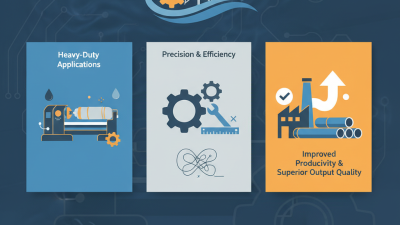
In the realm of precision machining, the choice of equipment significantly impacts production quality. The Oil Country Lathe stands out as an invaluable tool for industries dealing with large pipe and tubing. Its robust construction and specialized features cater to unique machining requirements.
Engineered for heavy-duty tasks, an Oil Country Lathe provides unparalleled stability. Many professionals highlight its effectiveness in handling tough materials. The lathe's design allows for easy alignment and setup, which is crucial for achieving optimal results. However, some users may find the learning curve steep. It demands a certain level of expertise to unlock its full potential.
Moreover, investment in an Oil Country Lathe represents a commitment to efficiency and durability. This equipment can significantly reduce cycle times and enhance productivity. Yet, it's essential to consider maintenance and operational costs. These factors can influence the overall return on investment. Balancing initial purchase price with long-term benefits is vital for decision-making.
The Role of Oil Country Lathes in the Oil and Gas Industry
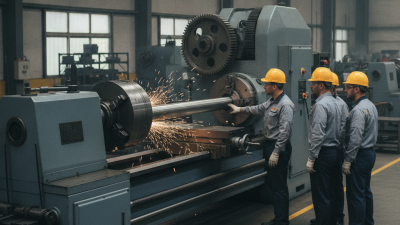
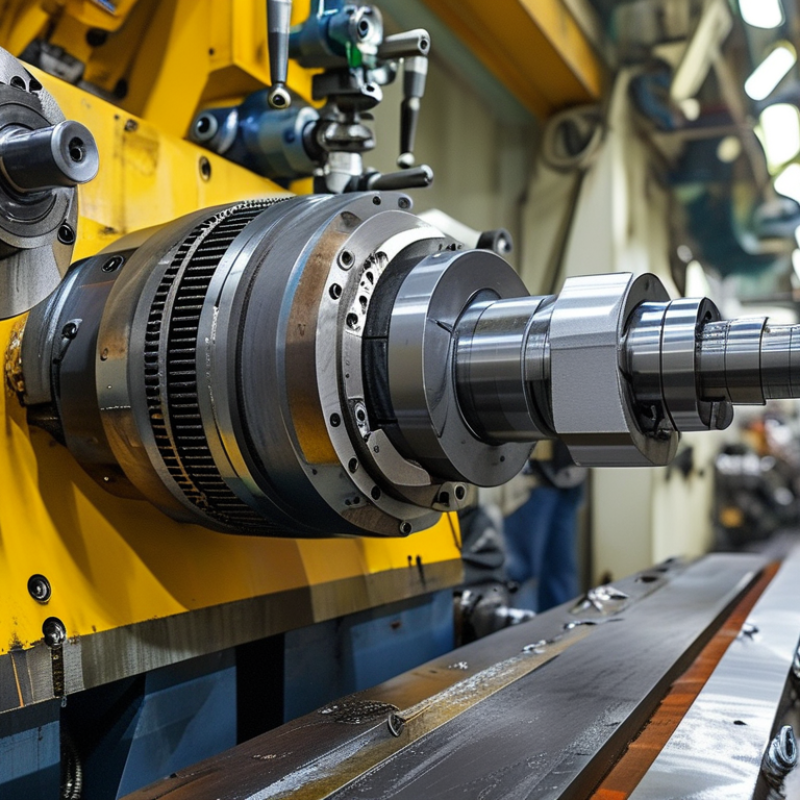
Oil Country Lathes play a vital role in the oil and gas industry. These machines are specifically designed to handle large, heavy materials. They produce essential components, such as drill pipes and casing. The need for precision in this field cannot be overstated. According to a recent industry report, approximately 30% of operational costs come from the machining of oilfield equipment.
Tips: Always choose a lathe with sufficient power and torque. This ensures the handling of tough materials effectively.
Furthermore, with the rise in demand for oil and gas, the production capacity of these lathes is critical. A survey highlighted that companies using oil country lathes report a 20% increase in productivity. This is significant for meeting the rapidly increasing global energy demand.
Tips: Regular maintenance can extend the life of your lathe. Schedule inspections to avoid unexpected downtimes.
However, the challenges are present. Some manufacturers struggle with the balancing act of speed and precision. Mistakes in machining can lead to costly errors, affecting project timelines. Learning from these challenges is essential for improvement in the long run.
Key Features of Oil Country Lathes: Precision and Durability
Oil country lathes are essential in the machining industry, especially for demanding applications. They excel in precision and durability, making them ideal for processing large workpieces commonly found in oil and gas sectors. Precision is achieved through advanced CNC technology. According to industry reports, these lathes can maintain tolerances as tight as ±0.005 inches, ensuring high-quality outputs.
The durability of oil country lathes is unmatched. Constructed from robust materials, they withstand heavy loads and extreme conditions. Analysis from machining experts indicates that these machines can operate for thousands of hours without significant wear. This durability leads to reduced maintenance costs, freeing resources for other operational needs.
However, not all oil country lathes are equal. Some may lack the necessary features, such as high torque and spindle rigidity. Operators should be cautious when selecting equipment. The inappropriate choice can lead to inefficiencies, affecting productivity and safety. Exploring multiple options is vital to find machines that truly meet industry standards. This thorough evaluation is crucial for long-term success in machining operations.
Comparative Analysis: Oil Country Lathes vs. Traditional Machining Equipment
When comparing oil country lathes to traditional machining equipment, several key factors emerge. Oil country lathes excel in handling large, heavy materials. They are specifically designed for high torque applications. This makes them ideal for oil and gas sectors. Traditional lathes may struggle with such demands.
Another significant difference is the stability offered by oil country lathes. Their robust construction minimizes vibrations during operations. This leads to improved accuracy. However, traditional lathes might not provide the same level of precision with larger workpieces. The time-consuming setup of regular equipment can also be a drawback.
While oil country lathes have clear advantages, they may not be suitable for all applications. Their complexity can lead to a steep learning curve. This can deter some operators. In some cases, traditional machinery remains preferred for lighter tasks. Each type of equipment has its strengths and weaknesses, making careful consideration essential based on specific needs.
Comparison of Oil Country Lathes and Traditional Machining Equipment
Market Trends: Growth of Oil Country Lathe Demand in Recent Years
The demand for oil country lathes has surged in recent years. According to a recent industry report, the market size is projected to grow from $2 billion in 2022 to approximately $3 billion by 2028. This growth reflects the increasing need for precision machining in the oil and gas industry. Companies are investing heavily in advanced manufacturing technologies to meet project requirements effectively.
A key driver for this expansion is the rise in exploration and drilling activities globally. The U.S. Energy Information Administration reports an increase in oil production by nearly 10% in the past year. As drilling operations expand, the need for durable and reliable machining equipment becomes critical. Many manufacturers are responding to the challenges of producing components for deepwater and offshore applications, emphasizing the role of oil country lathes in fulfilling these needs.
However, it is essential to consider the unpredictability in this sector. Fluctuations in crude oil prices can impact demand for machinery, devastating market confidence. For instance, a decline in oil prices can lead to postponed drilling projects, directly affecting orders for lathes. Producers must be agile to adapt to these market fluctuations while maintaining quality. Balancing innovation with operational efficiency remains a challenge for many manufacturers in the industry.
Technical Specifications: Understanding the Capabilities of Oil Country Lathes
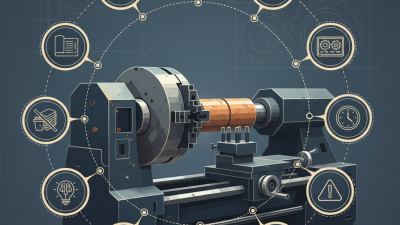
Oil country lathes are uniquely designed for large-scale machining tasks, especially for the oil and gas industry. Their technical specifications cater to robust applications. Typically, these lathes feature a heavy-duty construction that withstands extreme conditions. They support longer workpieces with large diameters, addressing the specific needs of drilling components.
The capabilities of oil country lathes include powerful spindle drives and variable speed settings. This flexibility allows for adjustable cutting speeds, which are essential for different materials. A high level of precision is maintained throughout the machining process. However, the complexity of these machines can lead to operational challenges. Users must understand both the machine’s capabilities and limitations to avoid potential complications.
Proper maintenance is crucial. Even with robust designs, neglect can lead to decreased performance. Operators need training to use these machines effectively. Experienced machinists can help minimize mistakes and ensure optimal operation. Understanding how to maximize these lathes’ features requires both skill and thoughtful practice.