How to Choose the Best Oil Country Lathe for Your Needs?
Selecting the right Oil Country Lathe can be overwhelming. With numerous options and specifications, it is crucial to understand your specific needs. According to industry expert John Smith, "A well-chosen lathe can significantly boost productivity and efficiency." Finding a machine that fits your requirements is essential.
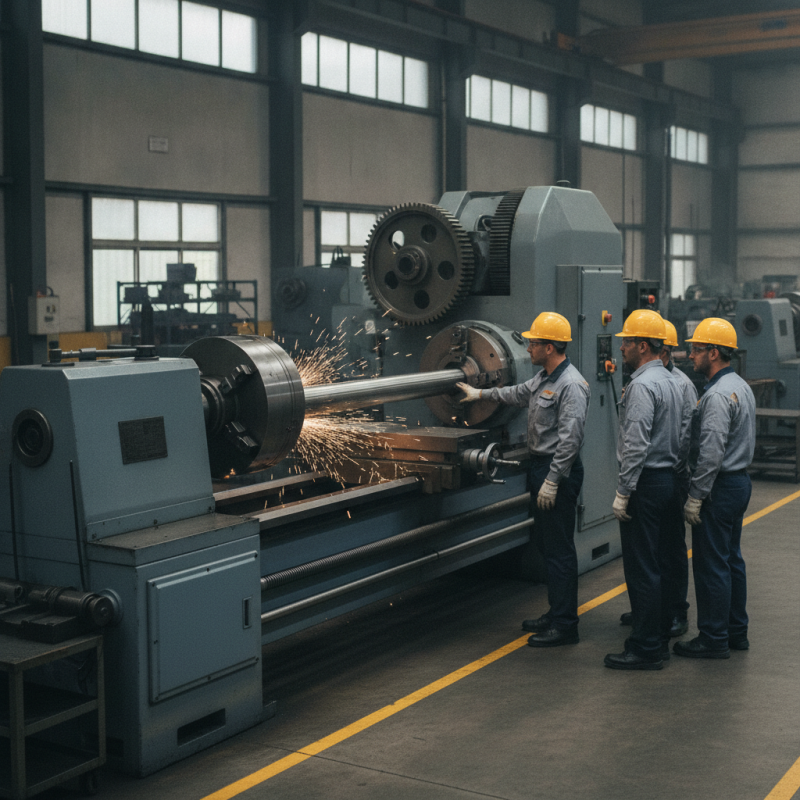
Oil Country Lathes are designed for heavy-duty applications in oil and gas industries. These lathes handle large and long workpieces, ensuring precision and durability. Understanding the features and capabilities of different models is vital for making an informed decision.
Potential buyers should consider factors like size, power, and control options. It is easy to get lost in technical jargon. Reflecting on your actual needs is necessary. Not all features will be useful for every project. Prioritize what truly matters for your operations.
Understanding Oil Country Lathes and Their Applications
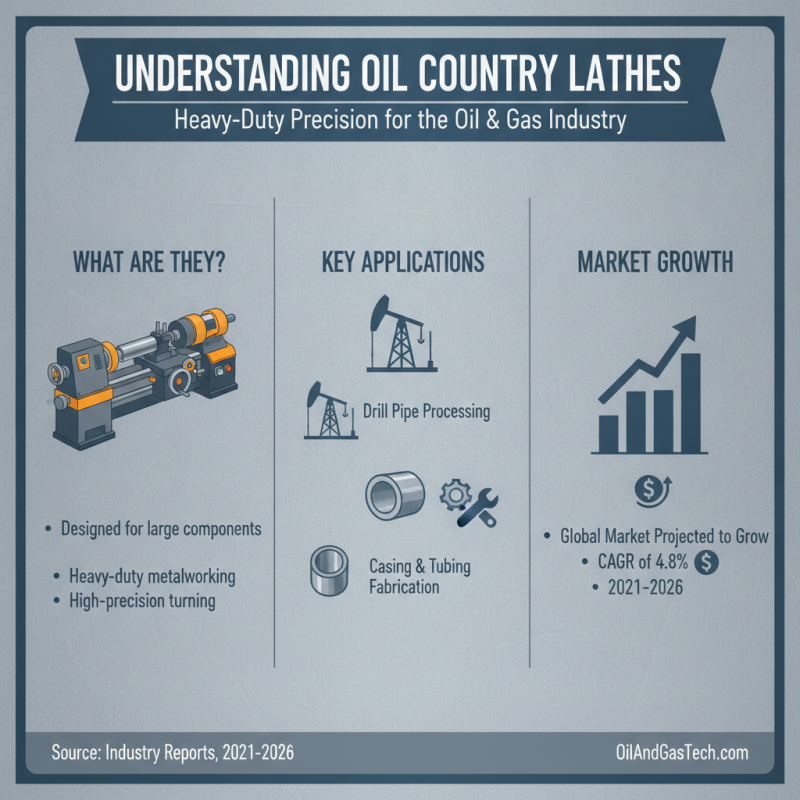
Oil country lathes play a vital role in the oil and gas industry. They are designed for heavy-duty work and will handle large components with precision. Applications range from processing drill pipes to fabricating casing. Industry reports suggest that the global oil country lathe market is projected to grow at a CAGR of 4.8% from 2021 to 2026.
When selecting an oil country lathe, consider the size of the parts you'll work with. Most lathes come with varying bed lengths and swing diameters. Evaluate their functionalities, such as threading capabilities and programmable controls. Some lathes focus on specific applications, like short-run or high-volume production. Choose wisely, as the right machine can impact efficiency and quality.
One tip is to assess the machine's maintenance needs. Regular upkeep is crucial for optimal performance. Look for units with accessible components for easy servicing. Another point is to consider operator training. A skilled operator maximizes the lathe's potential. Ignoring training can lead to mistakes and inefficiencies.
Key Features to Look for in an Oil Country Lathe
When selecting an oil country lathe, there are essential features that influence performance. Start by considering the swing diameter. This dimension defines the size of materials that can be processed. Different projects require different capacities. A lathe with a larger swing might be necessary for larger workpieces.
Think about the bed length as well; it determines the overall work area.
Next, focus on the control systems. CNC capabilities have revolutionized lathe operations. These systems allow for higher precision and repeatability. Operators with advanced programming skills can maximize efficiency. Consider ease of use too; a complicated interface can hinder productivity. Simplicity often enhances workflow.
Don't overlook the maintenance aspects. Some models require more upkeep than others. This could lead to increased downtime and costs. Assess the build quality and materials used. More durable components can provide longevity, but they might come at a higher price.
Balancing initial investment with long-term benefits is key. Finding the right oil country lathe involves thorough evaluation and reflection on specific needs.
Assessing Your Specific Needs and Workpiece Requirements
Choosing the right oil country lathe hinges on understanding your unique needs and workpiece requirements. Key factors to consider include the type of materials you will work with and the sizes of your workpieces. Industry reports indicate that over 40% of machinists encounter challenges when selecting lathes, often stemming from not fully assessing these critical factors. This oversight can lead to inefficiencies and increased costs.
When evaluating your needs, think about the primary materials you will be machining. For example, steel and aluminum require different approaches. The diameter and length of the workpieces are also crucial. Lathes with larger capacities can accommodate bigger jobs but might also take up more floor space.
Tip: Always measure your workpieces before making a decision.
A well-suited lathe enhances productivity but may require adjustments to fit your workshop. Not all lathes perform equally across various applications. It can be beneficial to consult with industry experts or review technical specifications to ensure compatibility with your projects.
Tip: Don't hesitate to test a lathe before purchasing.
The right choice can significantly impact your operations. Taking the time to assess your specific needs will lead to better outcomes and greater satisfaction in the long run.
Evaluating Manufacturer Reputation and Product Reviews
When selecting an oil country lathe, evaluating manufacturer reputation is crucial. This reputation often reflects product quality and customer satisfaction. According to industry reports, over 70% of users base their purchasing decisions on brand reputation. Look for manufacturers with a strong history in the field. Longevity often indicates reliability, as companies that have stood the test of time usually prioritize product excellence.
Product reviews provide additional insights. A recent survey indicated that around 65% of buyers trust online reviews as much as personal recommendations. Pay attention to both positive and critical feedback. Reviews often highlight specific performance aspects, such as precision, durability, and ease of use. Note that some reviews might be overly optimistic. This can lead potential buyers to overlook real issues like maintenance challenges.
Tips: Always cross-reference multiple sources. Check professional forums for unbiased opinions. Engaging with a community of users can reveal hidden strengths and weaknesses of specific models. Striking a balance between reputable brands and genuine user feedback is key in making an informed choice. Remember, even top manufacturers can produce occasional lemons. Stay vigilant in your search for the best lathe to suit your needs.
How to Choose the Best Oil Country Lathe for Your Needs?
This chart compares the features of various oil country lathes based on user reviews and evaluations. The metrics include Precision, Durability, Ease of Use, and Value for Money.
Comparing Costs and Budgeting for Your Oil Country Lathe Choices
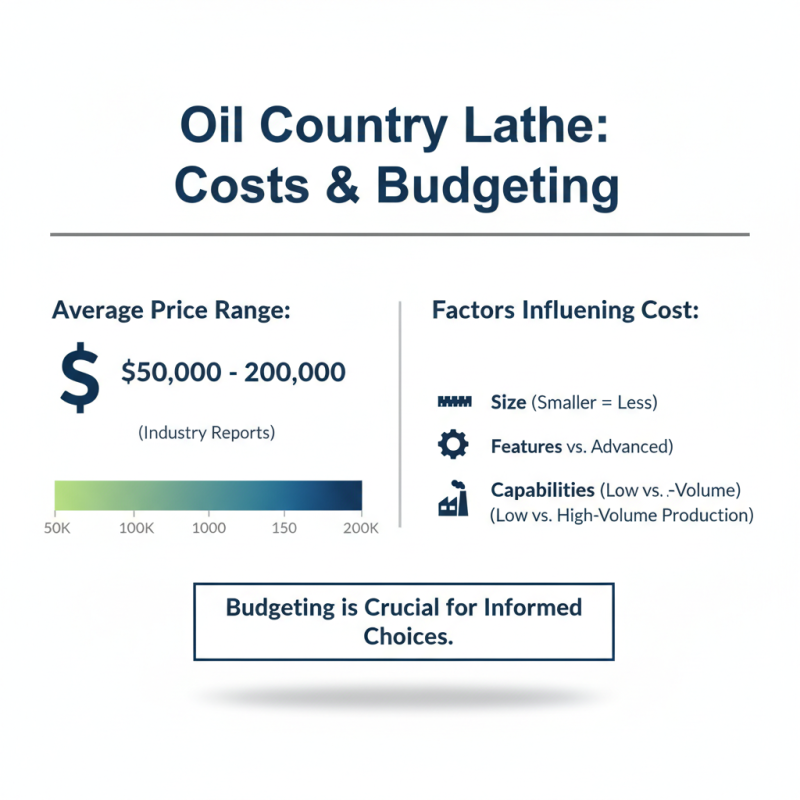
When considering the purchase of an oil country lathe, budgeting and costs are crucial. Recent industry reports indicate that the average price of these machines ranges from $50,000 to $200,000. This significant variance reflects factors like size, features, and specific capabilities. Smaller models typically cost less, while advanced machines designed for high-volume production will command higher prices.
When creating a budget, it's important to account for additional costs. These may include installation, operational training, and maintenance expenses. Industry statistics reveal that maintenance can add approximately 10-15% to the overall cost of ownership per year. Therefore, businesses should factor in these ongoing expenses when planning their investment. Many operators overlook these details, which can lead to financial strain down the line.
Not every lathe may fit your workflow seamlessly. Sometimes a less expensive model might be a better fit. Evaluate your specific needs regarding production capacity and material types. A machine with unnecessary features can lead to wasted resources. Understanding your operational requirements will ultimately guide you in making a wise financial choice.