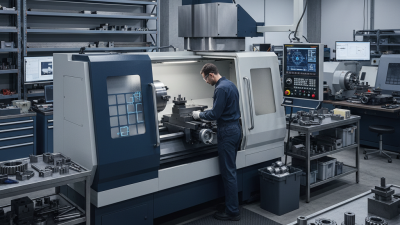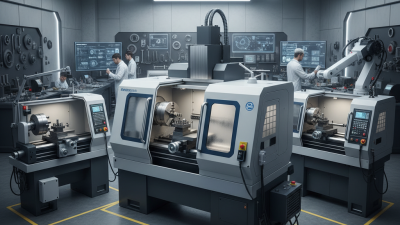
Choosing the right Ck6150 CNC lathe is crucial for any manufacturing business. CNC lathes are essential for precision machining. They enhance productivity and ensure quality in production processes. According to a recent report by Markets and Markets, the CNC machine market is projected to reach $100 billion by 2026, growing at a CAGR of 6.0%. This highlights the importance of selecting appropriate machines.
When considering a Ck6150 CNC lathe, evaluate your specific needs. Factors such as material type, production volume, and complexity of parts are key. Many businesses underestimate the importance of these parameters. A poorly chosen lathe can lead to increased costs and production delays. This could damage not only profits but also your reputation in the industry.
Investing in the right Ck6150 CNC lathe can increase your competitive edge. It may also reduce waste and improve efficiency. Yet, it is essential to weigh options carefully. Don't rush the decision-making process. Engage with industry experts and review user feedback to make an informed choice. Ultimately, the right CNC lathe is not just an expense but an investment in your business's future.
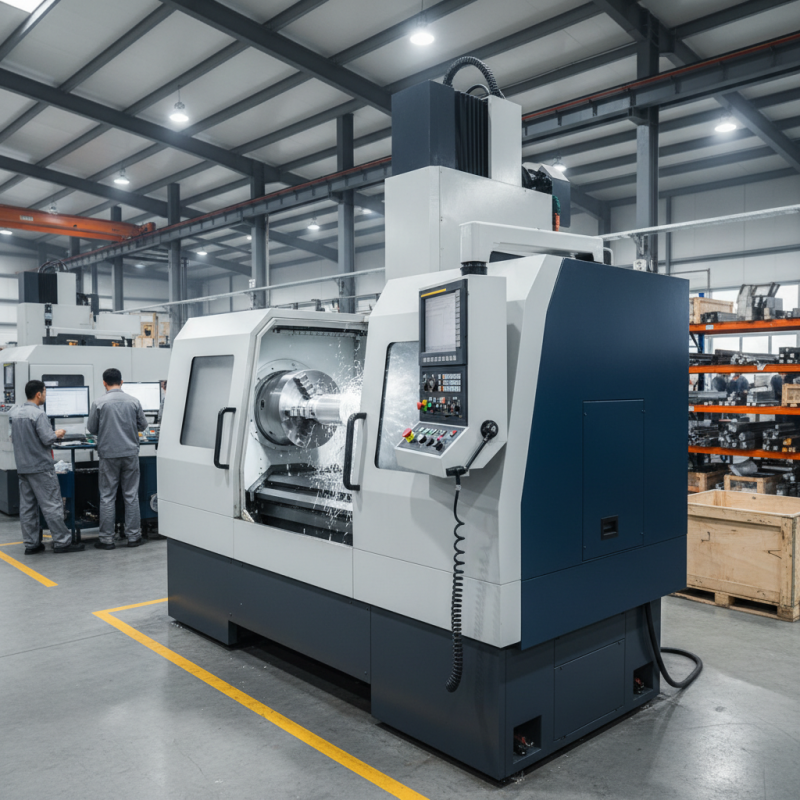
When selecting a Ck6150 CNC lathe, understanding its specifications and features is crucial. This machine is popular for its precision and versatility. The spindle speed ranges typically from 800 to 2500 RPM, catering to various materials including aluminum and steel. The maximum swing over the bed is usually around 500 mm, allowing for efficient machining of larger components. Consider how these dimensions fit your projects.
A strong focus should be on the control system. Many Ck6150 models use advanced CNC technology. This can improve accuracy and reduce production time. Look for models with user-friendly interfaces. They can reduce training time for operators. Additionally, the tool capacity is vital. Many lathes offer a turret with 8 to 12 positions. This arrangement increases productivity by minimizing downtime during tool changes.
Reflect on the overall build quality as well. A rigid structure can significantly enhance machining stability. This is essential for maintaining tight tolerances. However, some machines may sacrifice weight for mobility, leading to vibrations. Always weigh these trade-offs before making a decision. Regular maintenance and operator skill also influence performance. Investing time in operator training pays off in the long run.
| Specification | Details |
|---|---|
| Max Swing Over Bed | 500 mm |
| Max Machining Length | 1000 mm |
| Spindle Motor Power | 7.5 kW |
| Spindle Speed Range | 50 - 2000 RPM |
| Tool Post Type | Hydraulic Tool Post |
| Weight | 1200 kg |
| Control System | CNC Control System |
| Cooling System | Flood Cooling |
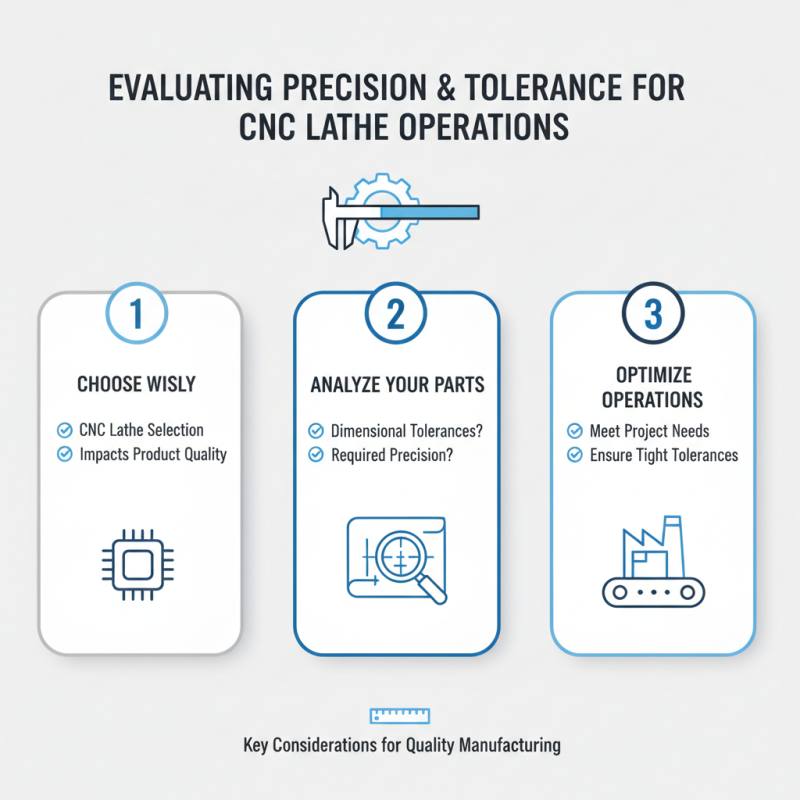
Choosing the right CNC lathe requires careful consideration of precision and tolerance. Your operations may demand tight tolerances that affect finished product quality. Assessing the specific needs of your projects is crucial. Analyze the parts you manufacture. What are their dimensional tolerances? How precise must they be?
Understanding the implications of tolerance levels will guide your lathe selection. A machine capable of handling high precision is essential if your components require close tolerances. However, this often comes with increased costs. Balance is key; sometimes, a higher tolerance may not enhance overall quality.
Evaluate your machining processes and the materials involved. Certain materials are unforgiving and may lead to errors if not properly managed. Identifying common challenges can provide insights. Each CNC lathe offers different feedback on tolerance issues. Note that not every machine will perform identically. If precision is inconsistent, you may need to adjust operational parameters or reassess your machine’s capabilities. It's a journey of continual improvement.
When selecting a Ck6150 CNC lathe, RPM and torque significantly influence machining efficiency. RPM determines the lathe's rotational speed, affecting how quickly material is removed. Higher RPM can lead to faster production speeds but might introduce challenges. Overheating and tool wear are common issues. Understanding the optimal RPM range based on the material and operation is crucial.
Torque plays a parallel role. It influences how much force is applied to the workpiece. Insufficient torque can lead to stalls or less precise cuts. Reports indicate that machines with higher torque ratings often achieve better surface finishes. For instance, a study revealed that lathe operations with ample torque could improve material removal rates by up to 30%.
Yet, users must reflect on each application. High RPM paired with less torque can destabilize the process. Operators need to balance both metrics to enhance efficiency. Constant monitoring during operations can mitigate unforeseen consequences. Understanding the interplay between RPM and torque ultimately leads to better decision-making in the lathe selection process.
When selecting a CNC lathe, automation capabilities and software compatibility are crucial factors. Automated systems enhance productivity and precision in machining tasks. Select a CNC lathe with robust automation options, such as tooling and indexing features. These can streamline operations and reduce manual intervention. However, consider the potential learning curve for your team. Training is essential to fully harness automation benefits.
Software compatibility is equally important. Many CNC lathes rely on specific software for operation. Ensure that the lathe you choose integrates seamlessly with your existing systems. Consider compatibility with CAD/CAM software. This integration can optimize the design-to-manufacture process. Evaluate feedback from users regarding software performance and common issues. These insights can shed light on possible challenges.
Invest time in researching options and user experiences. Not all CNC lathes offer equal support for automation and software. Recognizing the limits of your choice could save future headaches. Look for features that may seem good initially but could pose risks later. A well-informed decision can lead to a more efficient workflow and a better return on investment.
Investing in a Ck6150 CNC lathe requires careful consideration. Analyzing cost-benefit ratios can help inform your decision. Start by evaluating your business needs. How often will you use the lathe? What precision do you require? These questions shape your investment's potential return.
Understand the costs involved. Direct expenses include purchase price, installation, and maintenance. Indirect costs, like operator training or downtime, can add up. A higher initial cost may provide better efficiency and lower long-term expenses. However, it’s essential to assess the risks of outdated technology.
Moreover, evaluate the lathe’s capabilities against your production goals. Will it enhance productivity? Does the lathe offer features that can boost output quality? Reflect on your current equipment. Is it meeting your demands? If not, a new CNC lathe might justify the investment. Balancing these factors can lead to a more informed and beneficial decision.