Top Tips for Choosing the Right Oil Country Lathe?
Choosing the right Oil Country Lathe is crucial for success in the oil and gas industry. Renowned expert John Smith, a leading engineer in precision machining, once stated, "The right lathe can make or break your production efficiency." His insights highlight the importance of selecting the appropriate equipment for specific tasks.
When evaluating an Oil Country Lathe, consider features like size, speed, and capabilities. The lathe must accommodate the dimensions of the pipes and tubing you plan to work with. Insufficient machine capacity can lead to inefficiencies and costly errors. Additionally, durability is key. These machines face tough conditions in oil fields, so reliability is essential.
A less-than-ideal oil country lathe can lead to frustrating outcomes. Take time to assess your needs carefully. Understand that every detail matters. The investment in the right machinery can greatly enhance productivity. Reflect on your specific requirements, and choose wisely. Your decision will impact your operations significantly.
Understanding the Different Types of Oil Country Lathes Available
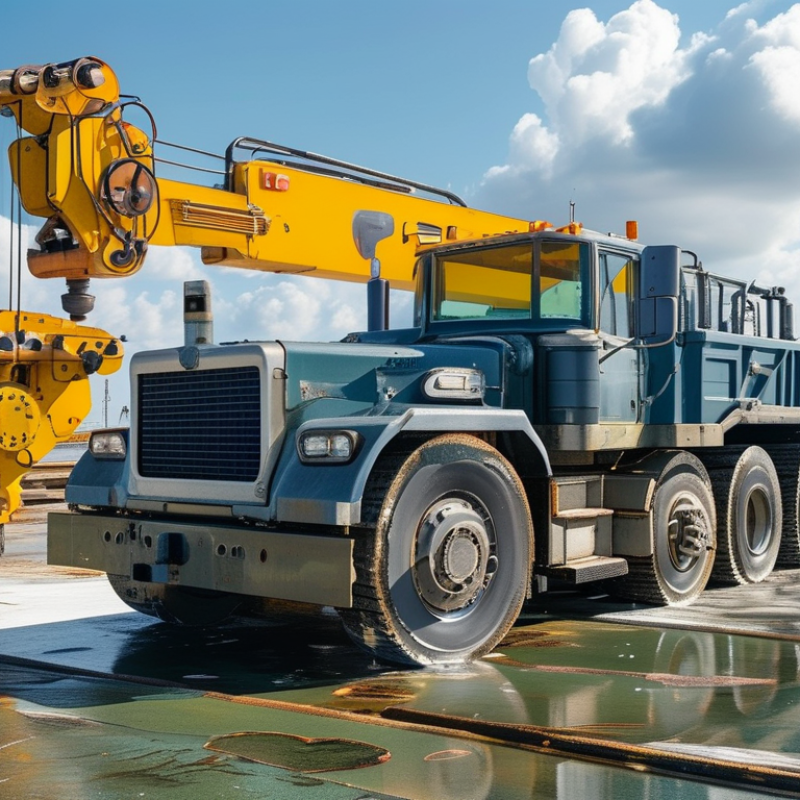
When exploring oil country lathes, understanding the types available is essential. Oil country lathes are specialized machines designed for large diameter workpieces, primarily used in the oil and gas industry. These lathes can vary significantly in terms of features and capabilities. The two main types are
horizontal and
vertical lathes. Horizontal lathes are common for turning large shafts, while vertical lathes handle heavier, tall components.
Data indicates that the oil and gas sector drives a substantial demand for these machines, with a projected growth of 5.4% annually through 2028 (Market Research Future). This trend highlights the need for manufacturers to choose the right lathe with precision.
Tips: Consider the size of the workpiece. A lathe must accommodate your largest components comfortably. Evaluate the power capacity as well; this affects how efficiently materials can be processed. Investing in a lathe with good torque will enhance productivity, especially when working with tough materials. Additionally, ensure that the lathe has adequate safety features, as accidents can lead to serious injuries, emphasizing the importance of reliable machines.
In conclusion, knowing these aspects helps in making an informed decision. Weight capacity and control features also influence performance. Understanding these factors ensures that your investment aligns with industry standards and operational needs.
Key Features to Consider When Selecting an Oil Country Lathe
When selecting an oil country lathe, it’s crucial to focus on key features that meet your specific needs. One important aspect is the machine's size. Make sure it can accommodate the largest workpieces you plan to handle. A lathe with a larger swing and longer bed will provide greater versatility. Think about whether you require a compact model or a more substantial unit for larger operations.
Another feature to evaluate is the spindle speed range. This affects how quickly and effectively you can perform various tasks. A broader speed range allows for flexibility when working with different materials and sizes. Consider how often you change speeds during operation. For some tasks, precision is vital. Ball screws and precision bearings can enhance accuracy, so factor these into your analysis.
Pay attention to the control systems as well. CNC capabilities can significantly increase efficiency but come with a learning curve. Ensure you have the right skill level for operation or training resources available. Sometimes, the latest technology might not be what you need. Reflecting on your actual requirements will guide you to a more suitable choice. Don’t overlook the importance of customer support and warranty terms as well. Reliability can be a decisive factor in your purchase, influencing long-term satisfaction.
Evaluating the Size and Capacity Requirements for Your Operations
When selecting an oil country lathe, size and capacity are crucial factors. Determine the maximum diameter and length of the workpieces you'll handle. Consider how often your current projects require larger or smaller capacities. This reflection helps align your needs with the lathe's specifications.
Tips for assessing size include measuring your largest workpiece. Keep these dimensions at the forefront of your decision-making. Think about your workshop space too. An oversized lathe can dominate your shop floor and restrict workflow. Space management matters just as much as machine power.
Additionally, consider future projects. If you anticipate scaling up operations, choosing a lathe with greater capacity might be wise. A slightly larger machine today could serve you better tomorrow. However, don’t overlook the balance between capability and practicality. Without thoughtful evaluation, you may end up with equipment that limits your potential rather than enhancing it.
Assessing the Material and Build Quality of Oil Country Lathes
When assessing the material and build quality of oil country lathes, a few key factors should be prioritized. The lathe's construction is critical. Look for robust materials like cast iron or high-grade steel. According to industry sources, lathes made from these materials offer superior vibration dampening, contributing to precision machining. Ensure that the components are machined to tight tolerances, as this will impact the accuracy of your operations.
Choosing the right oil country lathe should also consider the overall design. A sturdy design reduces the chance of deflection during heavy cuts. High-quality oil country lathes typically feature reinforced bed ways and substantial spindle support. Some experts recommend checking for a minimum bed length of 2 meters for versatility in handling longer workpieces. Be cautious of manufacturers that push lower-cost options, as these might compromise essential features.
Tip: Always assess the warranty and customer support from the manufacturer. This reflects the company’s confidence in its product quality. Another consideration is the accessibility of replacement parts and servicing. Good after-sales support can significantly enhance the lathes' longevity and reliability in your operations.
Top Tips for Choosing the Right Oil Country Lathe
| Dimension |
Specification |
Material Quality |
Build Quality |
| Swing Over Bed |
15 inches |
Cast Iron |
High Rigidity |
| Distance Between Centers |
40 inches |
Drop-Forged Steel |
Precision Machining |
| Spindle Bore |
2.5 inches |
Alloy Steel |
Excellent Tolerance |
| Approach Length |
10 inches |
Tempered Steel |
Heavy-Duty Construction |
| Weight |
3000 lbs |
High Strength Steel |
Sturdy Frame |
Budgeting for the Purchase and Maintenance of Oil Country Lathes
When budgeting for the purchase and maintenance of oil country lathes, understanding total costs is essential. The initial investment can be hefty, often ranging from $50,000 to over $200,000, depending on machine size and features. Maintenance costs also add up, typically averaging 15% to 20% of the purchase price annually. This highlights the importance of selecting durable and reliable equipment.
Regular upkeep is crucial. Scheduled maintenance can prevent costly repairs. Common expenses include replacing worn parts and oiling systems. According to industry reports, unplanned downtime can cost businesses $250,000 per year. Allocating funds for preventive measures can greatly reduce this risk.
Additionally, consider ongoing operational costs. Factors include energy consumption and skilled labor. Industry data shows that skilled operators can increase efficiency by up to 30%. Investing in training can thus yield high returns. Every detail matters when planning your budget. Unexpected expenses can arise. Preemptive financial planning will provide a buffer against unforeseen costs.