Welcome to our websites!

What Is a Metal Bandsaw and How Does It Work?

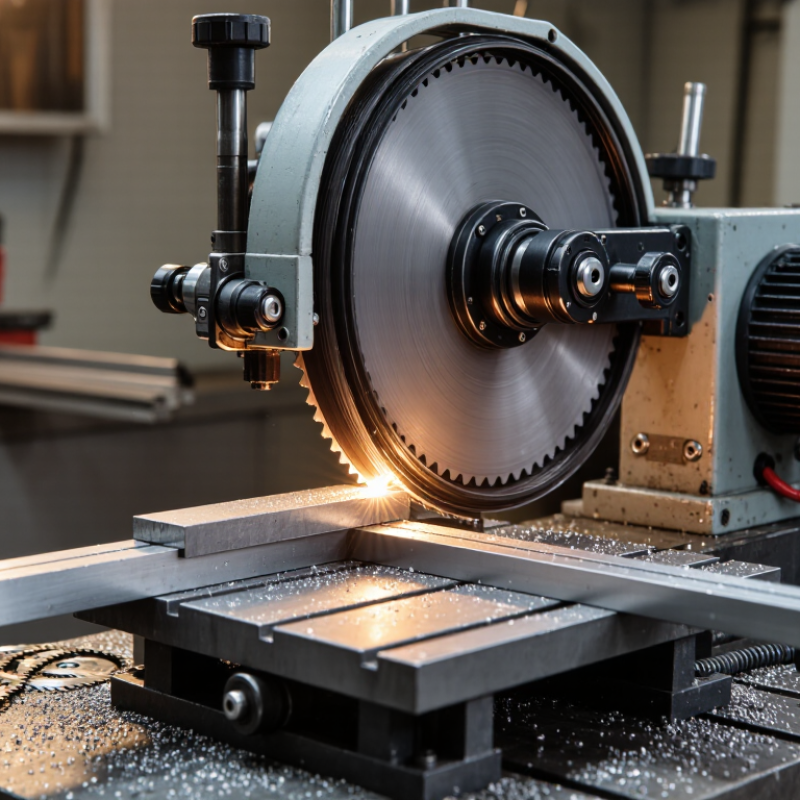
A Metal Bandsaw is a powered cutting machine designed to divide metal stock with a continuous, toothed blade. Unlike a handheld saw, it guides the blade around two rotating wheels. The motor drives this loop at a controlled speed. A vise holds the workpiece firmly while adjustable guides support the blade near the cut.

Its operation is simple in principle. The blade teeth remove small chips as the workpiece meets the moving blade. Blade speed, tooth pitch, cutting pressure, and coolant all affect the result. Steel usually needs slower speeds than aluminum. Thick material often requires larger tooth spacing. Small details matter.

In practical workshop use, accurate cutting depends on more than machine power. The operator must select a suitable blade, align the stock, and prevent excessive feed pressure. A sharp blade can produce a clean, square cut with less heat. A worn blade may wander, chatter, or damage the material surface. It is not magic.

Professional results also require routine inspection. Check blade tension, guide bearings, vise alignment, and coolant flow before cutting. Manufacturers provide specifications, but real materials can behave differently. Even experienced users may need to adjust speed after observing vibration or unusual tooth wear. That small imperfection is worth noticing.

This guide explains what a Metal Bandsaw is, how its main components work, and why operating choices matter. It also considers practical limitations, including noise, maintenance, blade selection, and safe working distances. Understanding these details helps users make reliable cuts rather than simply pressing the start button.
What Is a Metal Bandsaw and How Does It Work?

What a Metal Bandsaw Is and the Materials It Can Cut

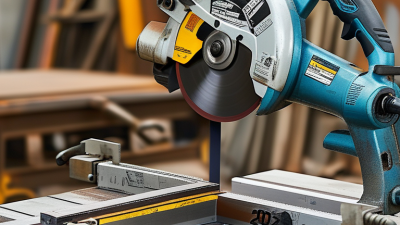
A metal bandsaw is a powered cutting machine using a continuous toothed blade. The blade travels around two wheels and removes material progressively. Unlike abrasive cutting, it produces a narrow kerf and usually creates less heat. A rigid frame, adjustable vise, and controlled blade speed support accurate cuts.

Metal bandsaws can cut carbon steel, stainless steel, aluminum, copper, brass, cast iron, and selected titanium alloys. Blade selection matters greatly. High-speed steel teeth suit many general jobs, while carbide teeth handle harder alloys and longer production runs. Coarse teeth work better on thick solid bars. Fine teeth reduce tooth shock on thin-wall tubing. Coolant helps control heat, friction, and blade wear.

The material market is broad. World Steel Association reported 1.89 billion tonnes of crude steel production in 2023, showing why steel remains a primary bandsaw application. The U.S. Geological Survey’s Mineral Commodity Summaries 2025 estimated global copper mine production at about 22 million metric tons in 2024. Copper cuts easily, but it can smear if the blade speed is excessive. Aluminum behaves differently again. It is soft, yet its chips can clog crowded teeth. The distinction is not perfectly clean. Alloy condition, thickness, hardness, and clamping can change the result. A published cutting chart is only a starting point. Experienced operators still inspect the chips, listen for vibration, and adjust speed carefully.

What Is a Metal Bandsaw and How Does It Work?

A metal bandsaw uses a continuous toothed blade running around two wheels to make controlled cuts through metal. Blade speed depends on the material: softer metals generally tolerate higher speeds, while harder or heat-sensitive metals require slower speeds and suitable cutting fluid.

Typical blade-speed ranges shown in meters per minute (m/min). Actual settings vary with blade tooth pitch, material thickness, machine rigidity, and coolant use.

The Main Components of a Metal Bandsaw

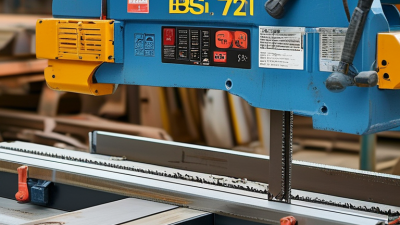
A metal bandsaw is a machine that cuts steel, aluminum, and other metals with a continuous toothed blade. Its frame supports the cutting head and keeps the structure stable. Two wheels guide the blade in a constant loop. One wheel receives power from the motor, while the other maintains blade tension. The motor controls the blade’s movement and cutting speed.

The blade guides sit close to the material. They prevent sideways movement and improve cut accuracy. A vise holds the workpiece firmly against the bed. Without secure clamping, the metal may vibrate, damage the teeth, or produce an uneven cut. Many machines also use cutting fluid. It reduces heat, carries away chips, and extends blade life. The operator selects blade speed, tooth pitch, and feed pressure for the material. These settings require judgment. A setting that works for aluminum may damage a blade on hardened steel.

Tips: Check blade tension before cutting. Keep both guides close to the workpiece. Use steady pressure, not force. Inspect the teeth for missing or worn sections. Clear metal chips with a brush after stopping the machine. Never rely only on sound; a smooth cut can still hide incorrect alignment. In practice, beginners often focus on speed and overlook clamping. That mistake is easy to make, but it affects nearly every component.

How the Blade and Cutting Mechanism Work

A metal bandsaw removes material with a continuous toothed blade. The blade travels in one direction around two wheels. One wheel drives it, while the other keeps tension and alignment. The workpiece stays fixed on a vise. The blade then descends through the metal at a controlled rate.

Tooth geometry controls the cut. Larger teeth remove more material but can shock thin sections. Smaller teeth engage more gently and leave a cleaner edge. The pitch must match the material thickness. At least three teeth should normally contact the workpiece. Too few teeth may snag. Too many can clog with chips.

The cutting mechanism combines blade speed, feed pressure, and coolant. A variable-speed drive slows the blade for hard alloys and increases speed for softer metals. Feed pressure must remain steady. Excessive force bends the blade and widens the kerf. Insufficient force causes rubbing, heat, and dull teeth.

A 2024 World Machine Tool Survey valued global machine-tool consumption above 80 billion dollars in 2023, showing the scale of industrial cutting demand. Technical guidance in ASM Handbook, Volume 16, also links cutting performance to tooth engagement, heat control, and chip removal.

In practice, operators still adjust by sound and chip shape. That judgment is imperfect, but useful. A thin, curled chip usually indicates balanced cutting. Blue chips suggest excessive heat.

Steps for Making a Safe and Accurate Metal Cut

A metal bandsaw uses a continuous toothed blade to remove material while the workpiece remains secured. Safe cutting begins before the motor starts. The U.S. Bureau of Labor Statistics reported about 2.6 million nonfatal workplace injuries and illnesses in private industry during 2023. That figure is not specific to bandsaws, but it shows why routine preparation matters.

Measure the stock twice, then mark the cut with a visible scribe line. Choose blade pitch according to material thickness; at least three teeth should contact the workpiece during cutting. Place the stock flat against the vise jaws, and support long sections to prevent twisting. Keep hands outside the blade path. OSHA machine-guarding guidance requires exposed moving parts to be safeguarded, so confirm the blade guard is correctly positioned before starting.

Let the blade reach steady speed before lowering it. Use a controlled feed rate, rather than forcing the frame downward. Excessive pressure can bend teeth, heat the blade, and spoil the cut. Cutting fluid may reduce heat and improve blade life, but it must suit the material and machine. Stay alert to vibration.

Stop the saw before clearing chips. Wait for the blade to stop completely. Then inspect the cut for taper, burrs, or overheating marks. A small file can remove sharp edges. My own practical check is simple: if the cut feels rushed, it probably is. Recheck alignment before repeating it.

What Is a Metal Bandsaw and How Does It Work? — Steps for Making a Safe and Accurate Metal Cut
Category Component or Step How It Works or What to Do Practical Safety or Accuracy Guidance
Machine Fundamentals
Definition Metal bandsaw A power saw that uses a continuous loop of toothed metal blade running around two or more wheels to cut stock along a controlled path. It is commonly used for straight cuts in bar, tube, pipe, angle, channel, and other metal sections.
Cutting action Continuous blade loop The blade moves continuously in one direction rather than making the back-and-forth stroke used by a reciprocating saw. The steady motion can produce a smoother cut and lower impact loading when the blade is correctly selected.
Blade drive Drive and idler wheels A motor turns the drive wheel, while the idler wheel supports the blade loop and helps maintain tracking and tension. Disconnect power before inspecting wheels, guides, tension, or blade tracking.
Work support Table or vise The workpiece is supported on a table or clamped in a vise so the blade can enter the material on a stable, repeatable line. The workpiece must be secured against movement, rotation, or vibration before cutting begins.
Blade guidance Guide assemblies Guide blocks or bearings support the blade near the cutting zone and help keep it aligned with the intended cut. Position the guides as close to the workpiece as practical without interfering with the cut.
Steps for a Safe and Accurate Cut
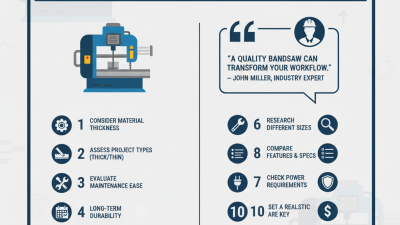
Step 1 Identify the material Determine the metal type, thickness, shape, and whether the workpiece is solid, hollow, layered, or bundled. Material type and cross-section affect blade tooth selection, cutting speed, clamping method, and coolant requirements.
Step 2 Mark the cut line Measure from a defined reference edge and mark the cut line using a suitable layout tool. Mark all visible sides when necessary. Account for the blade kerf—the material removed by the blade—when measuring finished dimensions.
Step 3 Select the blade Choose an appropriate tooth pitch and blade type for the material and cross-section. Variable-pitch blades can help reduce vibration across changing sections. For many metal-cutting applications, at least three teeth should remain engaged in the workpiece during cutting.
Step 4 Set cutting speed Set blade speed according to the material, blade specification, and machine instructions. Metal is generally cut at a lower blade speed than wood. Use the machine’s rated speed range; excessive speed can generate heat, accelerate tooth wear, and damage the blade.
Step 5 Secure the workpiece Place the workpiece firmly in the vise with the cut line positioned correctly and the material adequately supported. For thin-wall tubing or small sections, prevent crushing and support the material close to the cutting area.
Step 6 Check blade tension and tracking Verify that the blade is seated correctly on the wheels, tensioned according to the machine instructions, and tracking centrally. Never adjust a moving blade. Stop the machine, isolate power, and follow the manufacturer’s adjustment procedure.
Step 7 Set blade guides Move the guide assemblies close to the workpiece while maintaining clearance for the cut and the vise. Close guide positioning improves blade support and can help reduce wandering, vibration, and inaccurate cuts.
Step 8 Apply coolant or cutting fluid Use a compatible cutting fluid when recommended for the material and machine. The fluid helps remove heat and carry chips away. Keep hands away from the blade and use appropriate controls for fluid spray, collection, and cleanup.
Step 9 Start the cut gently Begin with controlled feed pressure so the teeth enter the material without impact or tooth stripping. Do not force the blade. Chattering, excessive noise, or fine blue chips can indicate unsuitable speed, feed, or blade selection.
Step 10 Maintain steady feed Allow the blade to cut at a consistent rate while monitoring alignment, vibration, chip formation, and coolant flow. Keep the workpiece clamped until the blade has completely cleared the material and stopped moving.
Step 11 Finish and inspect After the cut, stop the machine, remove the workpiece safely, and inspect the cut face for squareness, burrs, overheating, or tooth marks. Use a square, caliper, or other suitable measuring tool to verify the required dimensions and angle.
Blade and Cutting Reference Data
Tooth pitch Teeth per inch (TPI) TPI describes the number of blade teeth within one inch of blade length. Lower TPI generally provides larger gullets for thicker sections; higher TPI suits thinner sections. The correct choice depends on material thickness and the number of teeth engaged, not thickness alone.
Tooth engagement Recommended engagement range A commonly used operating target is approximately 3 to 24 teeth engaged in the workpiece, depending on the blade and application. Too few engaged teeth may cause tooth shock; too many may restrict chip clearance and slow cutting.
Blade condition Sharp, evenly set teeth A serviceable blade has intact teeth, consistent tooth set, and no cracks, kinks, or excessive wear. Replace a damaged blade rather than attempting to operate it, especially if cracks or missing teeth are visible.
Cut quality Straightness and burr control A straight cut depends on blade condition, guide alignment, workpiece clamping, feed control, and suitable speed. Heavy burrs, a tapered cut, or wandering may indicate incorrect setup, dull teeth, excessive feed, or insufficient support.
Essential Safety Checks
Personal protection Eye and hearing protection Wear safety glasses or a face shield as appropriate, and use hearing protection when noise levels or workplace rules require it. Wear close-fitting work clothing and safety footwear; avoid loose sleeves, jewelry, and unsecured hair.
Guarding Blade guards and covers Guards should cover accessible portions of the blade and wheels while leaving only the necessary cutting area exposed. Never operate the saw with a missing, damaged, or improperly fitted guard.
Chip removal Brush or tool removal Remove chips with a brush, vacuum, or other approved method after the blade has stopped and power has been isolated when required. Do not clear chips with bare hands or compressed air directed toward people, bearings, or sensitive machine parts.
Emergency response Stop and isolate Use the emergency stop when necessary, then isolate the machine before correcting a jam, changing a blade, or performing maintenance. Allow the blade and workpiece to stop fully before reaching into the cutting area.
Operating note Training and instructions Operators should be trained on the specific machine, its controls, blade-changing procedure, guarding, and applicable workplace rules. Machine manuals and local occupational-safety requirements take precedence over general guidance in this table.

Key Factors Affecting Cutting Performance and Results

What Is a Metal Bandsaw and How Does It Work?

A metal bandsaw uses a continuous toothed blade to remove material through a controlled, linear cut. Cutting performance depends on more than blade sharpness. Material hardness, section size, blade speed, tooth pitch, feed pressure, coolant, and machine alignment all interact. ASM International’s ASM Handbook, Volume 16, identifies cutting speed and chip control as major factors in tool life and surface quality. A blade running too fast can overheat the tooth tips. Excessive feed pressure may cause vibration, crooked cuts, or premature tooth failure.

Tooth pitch must match the workpiece thickness. A practical rule is keeping at least three teeth engaged in the material during cutting. Thin-wall tubing needs finer teeth, while solid steel usually requires a coarser pitch. Coolant also matters. The U.S. Department of Energy’s Industrial Assessment Center guidance links proper fluid delivery with reduced friction and heat in metalworking operations. Still, coolant cannot correct poor alignment. Check blade tracking, vise clamping, and guide-arm position before changing cutting settings. I have found that operators often adjust speed first, although the real fault may be a loose workpiece.

Tips: Start with a moderate speed and light feed. Watch the chips. Blue chips suggest excess heat, while tightly curled chips may indicate heavy loading. Record speed, feed, material grade, and cutting time after each job. Small records reveal patterns, though they are not always perfect.

Send your message to us:

WhatsApp Online Chat !