Top Milling Machine Trends for 2026 What Buyers Need to Know
As we look toward 2026, the landscape of milling machines is evolving rapidly. Buyers must stay informed about the latest trends and technologies. New features are emerging that promise to enhance productivity and efficiency. For instance, automation in milling machines is becoming more prevalent. This change can streamline operations and reduce labor costs.
However, the rapid pace of innovation can be daunting. Buyers may feel overwhelmed by the choices and features available. Some may prioritize cost over quality, risking long-term performance. Understanding specific needs is crucial. Each industry has unique requirements that impact milling machine selection.
Moreover, sustainability is becoming a significant factor. Many companies seek energy-efficient milling machines to reduce their carbon footprint. Staying ahead means balancing these trends with practical considerations. Buyers must weigh the benefits against potential challenges. Maintenance and support are also vital aspects to consider. In the fast-evolving milling machine market, informed decisions will pave the way for future success.
Emerging Technologies in Milling Machines: A 2026 Perspective
The milling machine industry is evolving rapidly as we approach 2026. Emerging technologies are shaping the ways manufacturers operate. One notable trend is the integration of artificial intelligence in milling processes. AI can optimize machining parameters, leading to enhanced precision and reduced waste. This technology provides insights that traditional methods simply cannot match.
Another crucial development is the rise of smart manufacturing. More machines are connecting to the Internet of Things (IoT), enabling real-time data sharing. This connectivity allows for advanced diagnostics and predictive maintenance. Manufacturers can reduce downtime and improve efficiency significantly. However, the implementation of such technologies often requires careful planning and skill development.
Moreover, sustainability is becoming a priority. Eco-friendly materials and energy-efficient machines are gaining traction. Buyers must consider the environmental impact of their choices. The challenge lies in balancing cost with sustainable practices. As we look ahead, understanding these trends will be vital for those in the milling machine market.
Top Milling Machine Trends for 2026 - What Buyers Need to Know
| Trend |
Description |
Impact |
Adoption Rate (%) |
| Smart Milling Technology |
Integration of IoT and AI for real-time monitoring and adjustments. |
Enhanced precision and reduced downtime. |
45% |
| Sustainable Manufacturing Practices |
Focus on reducing energy consumption and waste. |
Lower environmental impact and operational costs. |
60% |
| High-Speed Machining |
Utilization of advanced materials for faster production rates. |
Increased efficiency and reduced production time. |
50% |
| 5-Axis Milling Machines |
Ability to perform complex shapes and contours. |
Broader application range in various industries. |
55% |
| Automated Workflow Integration |
Seamless connection of milling machines with other equipment. |
Streamlined processes leading to higher productivity. |
50% |
Market Forecast: The Expected Growth Rate of Milling Machines
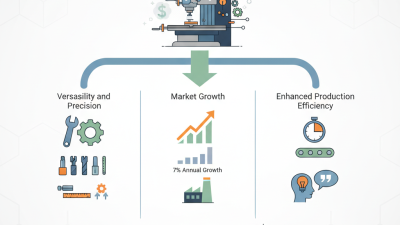
Milling machines are essential in manufacturing. The market is expected to witness significant growth by 2026. Analysts project a compound annual growth rate (CAGR) of around 5% over the next few years. This increase is driven by advancements in technology and rising demand in various industries.
Buyers should remain aware of evolving features. Automation and precision are becoming critical factors in choosing milling machines. High-tech machines with enhanced capabilities can streamline operations. Still, the choice can be overwhelming. Many buyers may underestimate the need for training in using these advanced machines effectively.
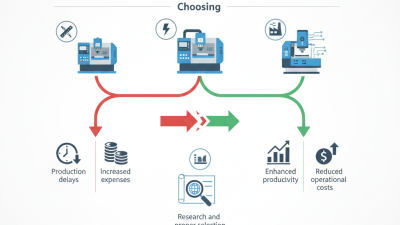
Tips: Conduct thorough research before purchase. Analyze your specific requirements against machine capabilities. Always consider future needs, not just current ones. Also, remember to evaluate after-sales support from suppliers. Often, buyers overlook these aspects, leading to dissatisfaction later. Evaluating these factors contributes to a more informed decision, ensuring investments align with operational goals.
Top Milling Machine Trends for 2026
Key Features Buyers Should Look for in Modern Milling Machines
When exploring modern milling machines, certain features stand out. Automation technology has become essential. Recent reports show that nearly 50% of buyers prioritize automated solutions. Automated milling machines can enhance efficiency and minimize human error. They enable industries to maximize production rates and reduce downtime.
Buyers should also consider precision capabilities. Machines with advanced CNC systems offer remarkable accuracy. Many competing models claim precision within ±0.01 mm. For industries like aerospace and medical manufacturing, this level of precision is critical. Not investing in accurate machines could result in costly rework and delays.
Another feature is the user interface. Simplicity matters for operators. Machines should have intuitive touchscreens. Reports indicate that operators prefer interfaces that minimize training time. A complicated system can lead to mistakes. Ensuring a friendly user experience can significantly impact productivity. These considerations are crucial as the industry evolves.
Sustainability Trends Shaping the Future of Milling Equipment
Sustainability is revolutionizing milling equipment. Buyers in 2026 must consider eco-friendly trends. These trends promote efficient energy use and waste reduction. By adopting sustainable practices, manufacturers are responding to global environmental concerns. This shift not only improves brand image but also attracts responsible consumers.
It's essential to evaluate equipment life cycles. Durable and reliable machines reduce waste. Look for machines that allow easy upgrades and repairs. This approach promotes longevity and minimizes the need for replacements. Include energy-efficient features in your decision-making process. This choice can result in significant cost savings over time.
Tips for prospective buyers:
- Research trends in sustainable materials.
- Opt for machines made from recyclable components.
- Engage with suppliers who prioritize sustainability.
Your choices today influence the future of the industry. Every small step toward sustainability makes a difference.
Integration of AI and Automation in Milling Processes for 2026
The integration of AI and automation in milling processes will revolutionize the manufacturing landscape by 2026. Advanced algorithms will enhance precision, reducing human error. Intelligent systems can analyze data in real-time, leading to optimal material usage and minimized waste. As manufacturers adopt these technologies, the capacity for higher production rates will grow.
However, implementing AI is not without challenges. Many workers will require retraining to adapt to new systems. There may be resistance to change, as employees fear job losses. Reliable data sources must be established for machine learning models to work effectively. Establishing trust in these systems is essential for smooth transitions.
Moreover, the reliance on automation raises concerns. What happens when systems fail? Backup processes must be in place to avoid production halts. Striking a balance between automation and skilled labor is critical. While AI can streamline many tasks, human expertise will still play an invaluable role in quality control and creative problem-solving.