Ultimate Tips for Choosing a Turret Milling Machine?
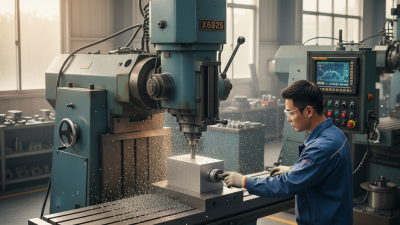
Choosing the right Turret Milling Machine can be overwhelming. These machines are essential in many manufacturing processes. Their versatility and precision make them a favorite among machinists. However, selecting one involves considering various factors.
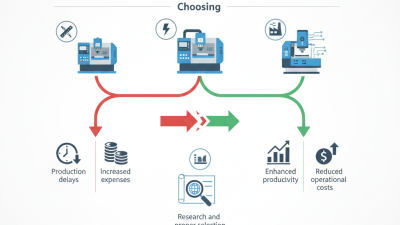
Understanding the specific needs of your projects is crucial. Do you require high precision or flexibility? Every feature matters. Different machines come with varying capabilities, making it important to conduct thorough research. User reviews can provide insights, but they may not always be reliable. Evaluating the source of information is vital.
It's also beneficial to consider after-sales support. A good warranty and service can enhance your experience. Sometimes, users overlook this aspect, only to face issues later. Engaging with experts can help you navigate the complexities of choosing the right Turret Milling Machine. Taking time to reflect on your requirements will lead to better decisions.
Understanding Turret Milling Machines and Their Applications
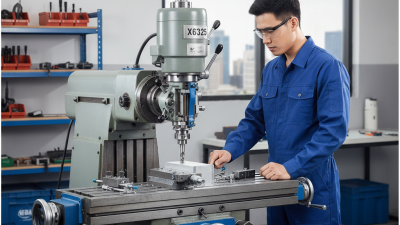
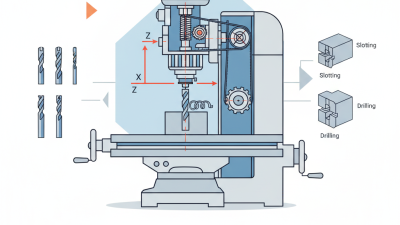
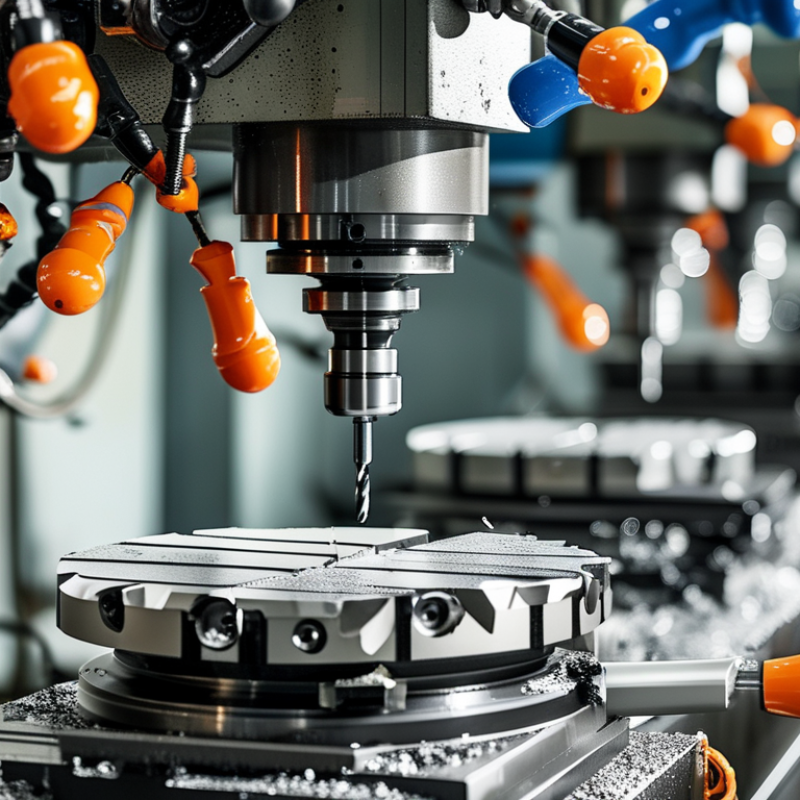
Turret milling machines are versatile tools in manufacturing. They excel in tasks like drilling, boring, and milling. Their design allows for easy adjustment in height and angle. This flexibility makes them suitable for both simple and complex machining tasks. Data from the National Institute of Standards and Technology highlights their role in increasing productivity by up to 30% in certain applications.
The applications of turret milling machines span across various industries. Automotive, aerospace, and metalworking sectors heavily rely on them. In aerospace, precise components are vital. Turret mills can create these with high accuracy and repeatability. However, operators must have the right skills. Training and practice are essential, as improper use can lead to costly errors. Research indicates that skilled operators achieve a 15% higher efficiency than their less experienced counterparts.
Despite their advantages, turret milling machines come with challenges. Maintenance is critical to ensure consistent performance. Neglect can result in costly downtime, affecting production schedules. Identifying the right machine involves understanding its limitations and strengths. Engaging with industry experts can provide insights, but personal experience is invaluable. Each user’s needs may vary, influencing the choice of machine type and specifications.
Key Features to Look for in a Turret Milling Machine
When selecting a turret milling machine, it’s essential to focus on key features that align with your specific needs. One significant aspect to consider is the machine's rigidity. A rigid structure ensures stability during operation, resulting in precise cuts. Industry reports suggest that machines with a high stiffness-to-weight ratio can improve machining accuracy by up to 30%.
Another critical feature is the milling head's capability. Look for machines with variable speed controls. This flexibility allows operators to adjust speeds depending on the material being used. Studies show that operators utilizing machines with this feature report a notable decrease in tool wear and tear. It's a case of better customization leading to enhanced efficiency.
Additionally, consider the ease of use and maintenance. A machine that simplifies these tasks often leads to improved productivity. Many users note that machines with intuitive controls reduce operator fatigue and mistakes. However, some designs may compromise on durability for user-friendliness, a trade-off worth reflecting upon. Always weigh feature priorities against your operational demands and budget constraints.
Assessing the Size and Capacity Requirements
When assessing the size and capacity requirements for a turret milling machine, you need to consider your specific projects. Take stock of the materials you'll be working with. Heavy metals will require a robust machine, while softer materials allow for lighter options. Gauge the size of the parts you’ll be machining. Larger components demand a more spacious working area.
Another critical factor is the machine's power. A higher horsepower allows for deeper cuts and faster machining. However, overestimating can lead to inefficient use of energy. Think about the machine’s weight too. Heavier machines often provide more stability, but they require a dedicated space and proper support.
Don't forget about future needs. It may be tempting to choose a machine for your current workload, but consider potential growth. Will you need to take on larger projects soon? Evaluate whether the initial investment justifies the benefits in terms of capacity and size. It's a balancing act, and reflecting on your choices is crucial.
Ultimate Tips for Choosing a Turret Milling Machine
| Dimension |
Specification |
Example Value |
| Table Size |
Length x Width |
42" x 9" |
| Spindle Travel |
Height Adjustment |
5" |
| Quill Travel |
Vertical Movement |
4" |
| Motor Power |
Driving Force |
2 HP |
| Weight |
Overall Mass |
2000 lbs |
| Speed Range |
Feed Rate Options |
60 - 420 RPM |
| Taper Size |
Tool Compatibility |
R8 |
Evaluating the Precision and Accuracy of Milling Machines
When evaluating the precision and accuracy of milling machines, several key factors come into play. Precision refers to the machine's ability to produce consistent results. Accuracy indicates how close those results are to the desired specifications. Choosing the right machine involves a careful assessment of these characteristics.
One critical tip is to assess the machine's build quality. A well-constructed milling machine generally produces more accurate results. Inspect the materials used in its components. A solid frame can significantly minimize vibrations, leading to enhanced precision. Check the specifications for repeatability as well. Machines with lower tolerances typically demonstrate superior accuracy.
Another factor is the tooling options available. The right tools can greatly affect both precision and accuracy. Ensure the machine supports various tools for diverse tasks. Compatibility with high-quality tooling can lead to enhanced performance. Regular maintenance is also essential. Machines that are not well-maintained can drift from their original settings, affecting outcomes. A proactive approach to care is a sign of a serious operator.
Considering the Maintenance and Support Options Available
When selecting a turret milling machine, maintenance and support options play a vital role. Understanding the maintenance requirements helps ensure the machine’s longevity. Regular upkeep can prevent costly breakdowns. Simple tasks, like oiling parts, should be part of a routine schedule. Neglecting these can lead to bigger issues down the line.
Consider the availability of support from the manufacturer or supplier. Reliable support can make a significant difference. When problems arise, you'll want quick access to assistance. Evaluate customer service reviews and warranty options before committing to a purchase. Machines might look good on paper, but service quality is essential for your peace of mind. It’s easy to overlook this aspect, but that can backfire later.
Reflect on your own capacity for maintenance and troubleshooting. A complex machine might seem appealing, but if you lack technical skills, it can become a burden. Simpler machines may be easier to manage. Therefore, it’s crucial to align your skills and the machine’s requirements. Be honest about your needs to prevent frustration.