Top 10 Valve Grinding Machine Manufacturers Worldwide
Choosing among the Top 10 Valve Grinding Machine Manufacturers Worldwide requires more than comparing prices or polished brochures. A reliable machine must hold accurate valve angles, control spindle runout, and produce consistent finishes across repeated jobs. Operators also examine coolant delivery, abrasive compatibility, fixture stability, and access to replacement parts. Small differences become visible on the valve face. Heat marks, uneven contact, or a narrow seat can shorten engine life.
Engine-machining educator Kevin Hoag describes blueprinting as “taking something mass-produced and making it as close to perfect as possible.” His observation fits every serious Valve Grinding Machine buyer. Precision is not a marketing word. It appears in measured concentricity, stable clamping, clean coolant, and repeatable results. Experienced technicians know that even an excellent machine can fail when maintenance is ignored. A worn collet can quietly damage accuracy.
This guide compares ten global manufacturers through practical criteria, including machine design, grinding control, operator experience, service support, and long-term value. It considers established brands alongside specialized producers, because reputation alone does not guarantee the best fit. Workshop size matters. Production volume matters more than many buyers expect. A compact unit may suit a rebuilding shop, while a high-output facility needs automation and faster setup.
The ranking is useful, but not final. Product lines change. Regional support can be uneven. Some specifications also require independent verification. That is where this overview remains imperfect. Buyers should request demonstrations, inspect finished valve surfaces, and confirm service coverage before investing. A machine should earn trust at the workbench, not only in a catalog.
Valve Grinding Machines: Purpose, Design, and Industrial Applications
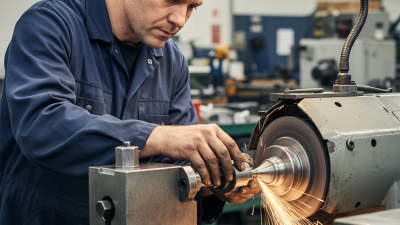
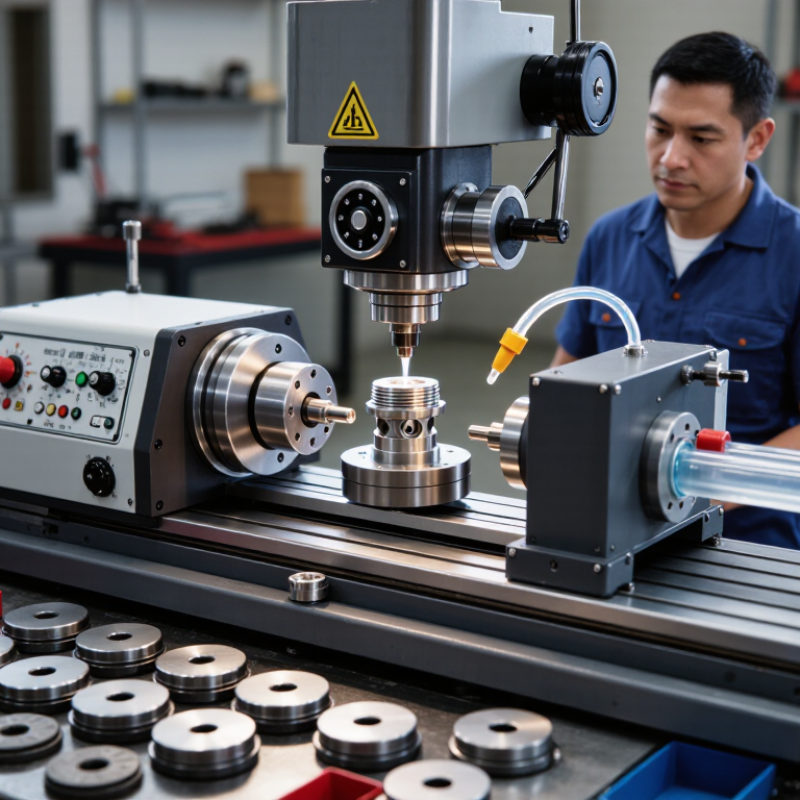
Valve grinding machines restore accurate contact between valves and their seats. They remove small amounts of metal from worn, pitted, or uneven surfaces. In engine workshops, technicians use them to improve sealing and reduce compression loss. The result can be seen in cleaner valve faces and consistent seat patterns. Small errors matter. A poor grinding angle may cause leakage, overheating, or repeated maintenance.
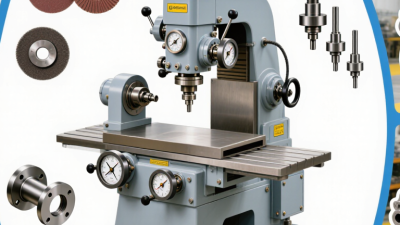
Most machines use an abrasive wheel, a rotating spindle, adjustable fixtures, and coolant control. The fixture holds the valve firmly while the spindle maintains a controlled grinding path. Some designs include digital angle displays, variable speed settings, and measurement systems. These features improve repeatability, but they do not replace skilled inspection. An operator still checks the contact width, surface finish, and material removal. Automation helps. It does not solve every problem.
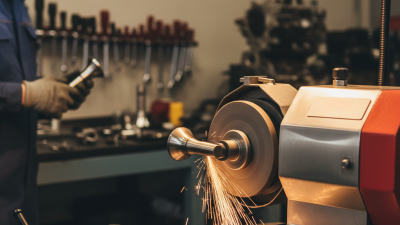
Industrial applications include automotive repair, diesel engine rebuilding, marine maintenance, and power generation equipment. Heavy-duty models often process larger valves and operate for extended shifts. Reliable cooling protects both the workpiece and abrasive wheel. Dust control also supports a safer workshop environment. From practical experience, preparation often affects results more than machine speed. Dirty fixtures, incorrect dressing, or rushed measurements can ruin a precise job. That assumption deserves attention. When evaluating equipment, buyers should examine spindle stability, adjustment accuracy, service access, training requirements, and documented test procedures. A fast machine is not always the most dependable choice.
How to Evaluate Global Valve Grinding Machine Manufacturers
Evaluating global valve grinding machine manufacturers requires more than comparing catalog prices.
Start with technical fit. Check the machine’s diameter range, grinding accuracy, surface finish, and compatible valve materials. Ask for test reports using components similar to yours. A polished brochure proves little.
Experience matters on the workshop floor.
Reliable manufacturers should explain setup, dressing procedures, coolant use, and common operator errors. Request installation records from comparable industries. Speak with users who have operated the equipment for several months, not only recent buyers. Their maintenance logs may reveal practical weaknesses.
Examine engineering control and documentation.
Look for traceable quality systems, clear inspection certificates, electrical safety compliance, and consistent calibration records. Confirm whether replacement stones, fixtures, and control parts remain available in your region. Response time matters when production stops. Ask for remote diagnostics and technician training.
Do not ignore logistics.
Verify packing methods, export experience, local voltage requirements, language support, and delivery responsibilities. A low quotation can become expensive after customs, commissioning, and unexpected modifications. No checklist is perfect. I would score each manufacturer, then revisit the lowest scores after technical discussions. Sometimes a smaller supplier offers better support, but limited capacity may create future risk. The best choice balances precision, service depth, documented reliability, and realistic ownership costs.
Leading Valve Grinding Machine Manufacturers and Their Core Strengths
Leading valve grinding machine manufacturers distinguish themselves through engineering depth, process control, and dependable after-sales support. The strongest suppliers design machines for accurate seat and valve restoration. Their systems often combine rigid frames, adjustable grinding angles, and controlled spindle speeds. These features help technicians achieve consistent contact surfaces during demanding repair work.
Manufacturers with serious workshop experience also provide practical training and clear maintenance guidance. They explain wheel selection, coolant management, dressing intervals, and measurement procedures. Some machines support manual operation, while others add programmable controls for repeatable production. Useful details matter. A stable worktable, accessible controls, and simple fixture changes can save hours each week. Good manufacturers also test machines under realistic operating conditions, not only in ideal demonstration rooms.
Reliability depends on more than cutting accuracy. Spare-part availability, response time, and technical documentation deserve equal attention. A supplier may offer impressive automation but weak field support. That weakness becomes expensive during an unexpected breakdown. No manufacturer is perfect. Even a well-built machine can produce poor results when operators skip alignment checks or use unsuitable abrasives. Buyers should compare sample results, service records, warranty terms, and operator feedback before choosing among leading manufacturers. A careful factory visit can reveal vibration, noise, and workflow problems that brochures rarely mention.
Top 10 Valve Grinding Machine Manufacturers Worldwide
Leading valve grinding machine manufacturers and their core strengths
The chart compares common valve grinding machine configurations by typical maximum valve diameter capacity.
Portable and bench machines emphasize flexibility and workshop maintenance, while CNC and in-situ systems
provide higher capacity, repeatability, and suitability for heavy industrial repair operations. Values represent
typical industry capability ranges rather than individual company specifications.
Key Technologies, Machine Types, and Performance Comparison
Valve grinding machines differ mainly in control, accuracy, and cooling design. CNC models use programmed tool paths for repeatable seat angles and consistent material removal. Manual machines remain useful for repair shops handling varied valve sizes. Portable systems fit field maintenance, but their alignment depends heavily on operator skill.
A reliable comparison should examine spindle speed, grinding wheel diameter, fixture range, and positioning accuracy. Machines with servo-driven tables often hold tighter tolerances during repeated production cycles. Automatic dressing keeps the wheel surface active and reduces uneven contact. Effective coolant delivery matters too. It limits heat marks on valve faces and protects carbide cutting surfaces. In practical trials, cycle time alone can mislead. A faster machine may create more rework.
Noise, vibration, and setup time reveal important differences. A rigid cast frame usually controls vibration better than a lightweight structure. Digital measurement systems can improve inspection, although calibration errors still occur. They need regular verification. Operators should check runout with a dial indicator before grinding. One missed alignment step can distort an otherwise accurate process. Energy use, spare parts access, and training requirements also affect long-term performance. No machine wins every test. A lower-cost model may perform well in low-volume work, while a precision CNC unit earns its value through repeatability and reduced manual adjustment.
Buying Considerations, Safety Standards, and Future Industry Trends
Buying a valve grinding machine requires more than comparing spindle speed and purchase price. Check grinding accuracy, table travel, wheel compatibility, coolant control, and service access. A machine that holds alignment after repeated setups usually saves more than a cheaper model. Ask for test results using your valve sizes and materials. Insist on documented tolerances, not verbal promises.
Safety must be visible at the work area.
Fixed guards should prevent contact with the wheel, while interlocks should stop operation when covers open. ISO 12100 provides a risk-assessment framework, and IEC 60204-1 addresses electrical safety for machinery. In the United States, OSHA’s 2023 data recorded 5,283 fatal workplace injuries, showing why guarding and training remain practical priorities. Operators need eye protection, hearing protection, emergency-stop access, and clear lockout procedures. Small oversights become expensive quickly.
Future purchasing decisions will also involve data. Deloitte’s 2023 Smart Manufacturing and Operations Survey found that 86% of manufacturers expect smart manufacturing to become a major competitiveness factor within five years. Sensors can track vibration, wheel wear, temperature, and cycle time. Predictive alerts may reduce unexpected stoppages, but poor sensor placement can create misleading signals. That weakness deserves attention. Connectivity should support maintenance, not replace skilled inspection. Evaluate cybersecurity, software updates, data ownership, and offline operation before approving a connected machine.