Why Choose a Surface Grinding Machine?
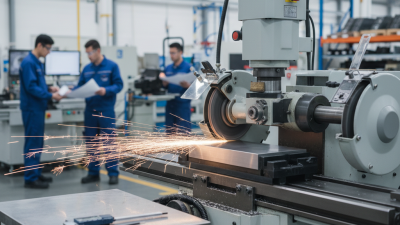
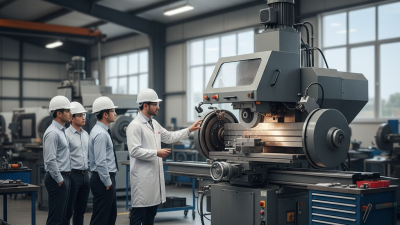
A Surface Grinding Machine earns its place when a job demands flat faces, controlled dimensions, and a fine finish. It removes small amounts of material with a rotating abrasive wheel, helping shops refine hardened steel, tool components, and precision plates. On the shop floor, the difference can be visible: a consistent finish, a square edge, and parts that fit without extra handwork. Small details count.
Grinding researcher Stephen Malkin, author of Grinding Technology, emphasizes through his work that wheel selection, dressing, and operating conditions must be considered together. That principle is useful because a capable machine alone cannot guarantee a good result. An unsuitable wheel, poor workholding, or careless setup can leave burn marks, taper, or unwanted variation. The process still needs skilled attention.
Why choose this machine, then? It can deliver repeatable surface quality and dimensional control when the material, setup, and production needs suit grinding. It also handles finishing work that may be difficult to achieve with other machining methods. But it is not the answer to every job. Some parts need different processes, and abrasive wheels require proper inspection and maintenance. A careful choice begins with the part drawing, the required tolerance, the material, and the operator’s experience—not with a machine brochure.
What Is a Surface Grinding Machine?
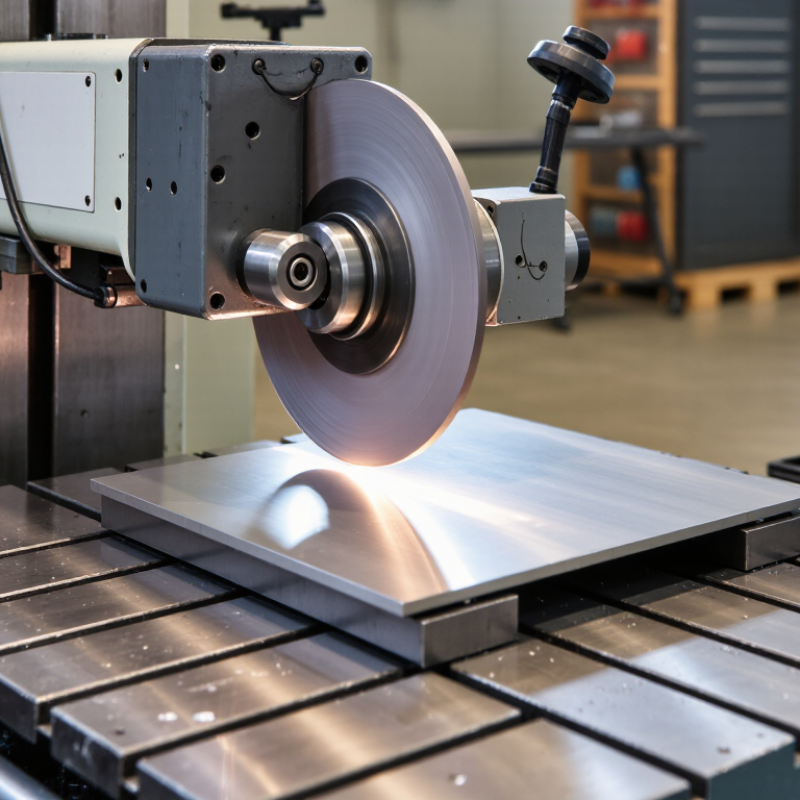
A surface grinding machine is a machine tool that uses a rotating abrasive wheel to finish a workpiece’s flat face. The wheel removes very small amounts of material, helping produce a smooth surface and controlled dimensions. It is not a cutting tool in the usual sense. Its abrasive grains gradually wear away the metal.
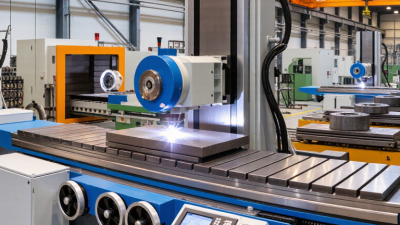
In a common setup, the workpiece rests on a magnetic chuck while a table moves beneath the grinding wheel. Magnetic holding works for suitable ferrous parts; other materials need an appropriate clamp or fixture. The operator sets the wheel position and feed, then makes measured passes. Coolant may help manage heat and carry away grinding debris. Small adjustments matter.
A ground surface can look bright and even, yet appearance alone cannot confirm its accuracy. Operators check dimensions and flatness with suitable measuring tools, often after the part has cooled. It is easy to assume a magnetic chuck holds every part securely. It does not. Thin, uneven, or nonmagnetic workpieces require extra attention. Wheel condition, dressing, and setup all affect the finish, so the machine still depends on careful judgment.
Why Choose a Surface Grinding Machine?
Surface grinding is often chosen when a component needs a flat surface and a fine finish. The chart compares indicative surface roughness (Ra) ranges; actual results depend on the material, machine setup, abrasive, and cutting conditions.
How Does Surface Grinding Work?
How Does Surface Grinding Work?
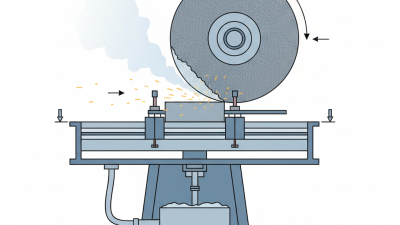
Surface grinding removes tiny amounts of material with an abrasive wheel to create a flat, controlled finish. The workpiece is held on a magnetic or mechanical table, which moves beneath the rotating wheel. Each pass cuts shallowly; the operator then lowers the wheel and repeats.
A wheel speed of 30 metres per second equals 1,800 metres per minute, but this is only an illustrative setting, not a universal recommendation. The wheel’s rated limit and the machine maker’s instructions govern actual operation. ANSI B7.1 addresses abrasive-wheel safety, including speed limits and proper use.
As the grains meet the metal, they cut, rub, and sometimes fracture. Coolant can carry away heat and chips, while dressing restores the wheel’s cutting face when it loads or loses shape. Small details matter: a thin workpiece may distort from heat, and a dirty magnetic chuck can tilt the part.
ISO 21920-2:2021 defines profile surface-texture parameters, including Ra and Rz, helping shops describe measured finish consistently. Measure the surface after grinding, not by eye alone.
A caveat: a smooth-looking face may still miss a flatness target. That is easy to overlook. Recheck the setup, wheel condition, and measurement method before changing the cut.
Which Materials and Parts Can It Process?
Surface grinding is useful when a part needs a flat face, controlled thickness, or a fine finish. It commonly processes steel, hardened steel, and cast iron. A wheel can remove small amounts of material while leaving a consistent surface. That matters. Nonferrous metals, such as aluminum and copper, can also be ground, but they may load the wheel or produce heat. Wheel specification and coolant choice need care.
Typical workpieces include machine ways, tool and die components, fixture plates, and precision blocks. Flat, rigid parts are usually easier to hold and grind accurately. Thin pieces may flex or heat up, so their setup can be as important as the machine. Surface grinding is not automatically the best choice for every part; complex shapes may need another process. I would check the drawing, material, and tolerance before choosing it.
Tips: Use a suitable wheel, dress it regularly, and secure the workpiece firmly. Check dimensions during grinding. Small errors can accumulate, especially on thin parts.
What Benefits Does Surface Grinding Provide?
Why Choose a Surface Grinding Machine?
What Benefits Does Surface Grinding Provide?
Surface grinding produces flat, parallel faces with controlled dimensions and a fine finish. A rotating abrasive wheel removes small amounts of material as the workpiece moves beneath it. This makes the process useful for tool plates, machine ways, and hardened components that are difficult to finish with ordinary cutting. Small corrections matter.
A well-set machine can reduce high spots and leave a consistent surface for fitting or assembly. For example, a ground steel plate may sit more evenly against a mating part, helping limit rocking and uneven contact. The process can also hold repeatable thickness across multiple pieces, provided the operator checks the setup and measures regularly. A micrometer and a surface-finish sample can reveal issues early.
The result depends on more than the machine. Wheel choice, dressing, coolant flow, clamping, and material condition all affect accuracy and finish. Too much heat can cause discoloration or distortion, especially on thin parts. Grinding may also be slower than other methods when substantial stock must be removed. It is not magic. A careful operator still needs to verify the finished part, because a smooth appearance alone does not prove its dimensions are correct. In practice, setup takes patience, and even experienced shops sometimes need a second pass.
How Do You Choose the Right Surface Grinding Machine?
Why Choose a Surface Grinding Machine?
How Do You Choose the Right Surface Grinding Machine?
Start with the parts you actually make. Measure their length, width, and thickness, then compare those dimensions with the machine’s table travel and grinding capacity. A large table can be useful, but it may take up space and cost more than your work requires. Fit matters.
Consider the material, too. Hardened steel, cast iron, and softer alloys can call for different wheel specifications and grinding practices. Check the tolerances and surface finish your jobs demand. A tight flatness tolerance may require a more rigid machine, careful setup, and skilled operation—not simply a higher price tag.
Look beyond the spindle rating. Ask how wheel dressing is handled, whether coolant is needed, and how easily operators can access controls and maintenance points. If jobs vary often, quick setup and straightforward adjustments may save more time than extra power. Not just power.
Request a demonstration using a representative workpiece, and inspect the finished surface for burn marks, chatter, or unevenness. Confirm that guarding, documentation, and local service support are suitable for your shop. I would not assume a machine is right because its specifications look impressive; I once overlooked setup time when comparing equipment, and that made the “faster” option less useful in practice. A little regret, but a practical lesson.